
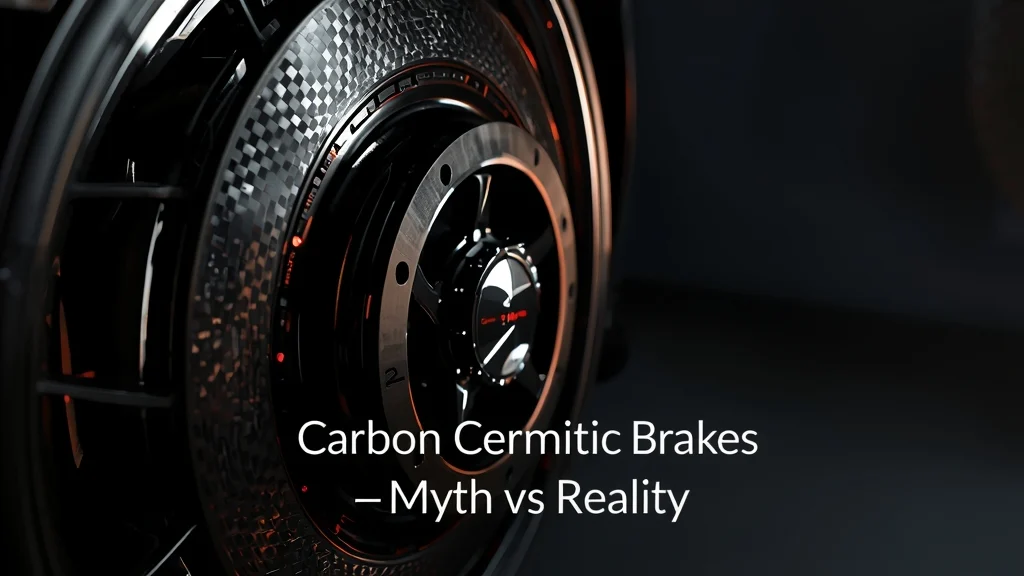
Discover the real pros and cons of carbon‑ceramic brakes for high‑performance cars. Find out if they’re worth the price – read the full guide now!
When you press the brake pedal, hydraulic pressure forces the brake pads to clamp onto the rotor, creating friction that slows the vehicle. Both pads and rotors wear over time and must be replaced.
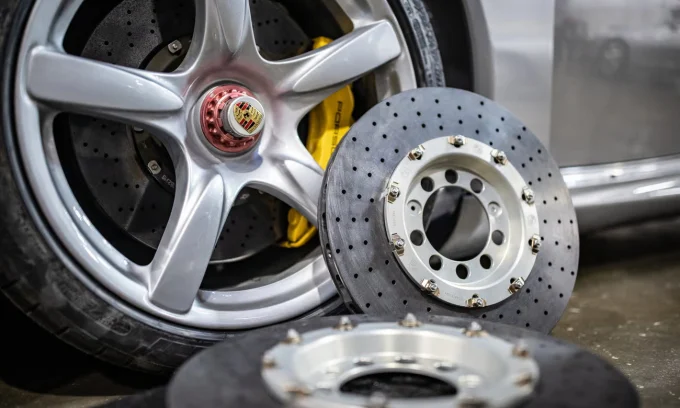
Traditional Iron Rotors
Most everyday cars use cast‑iron rotors. Iron is cheap, easy to cast and absorbs heat well, but it’s also heavy. The weight contributes to unsprung mass, which can affect handling and fuel efficiency.
What Are Carbon Ceramic Brakes?
Carbon ceramic brakes (CCB) combine silicon‑carbide fibers reinforced with carbon and coated with a thin ceramic layer. First seen on the 2001 Porsche 911 GT2, they are now offered as standard or optional equipment on many supercars such as Ferrari, Lamborghini, McLaren and Pagani.
The Real Advantages
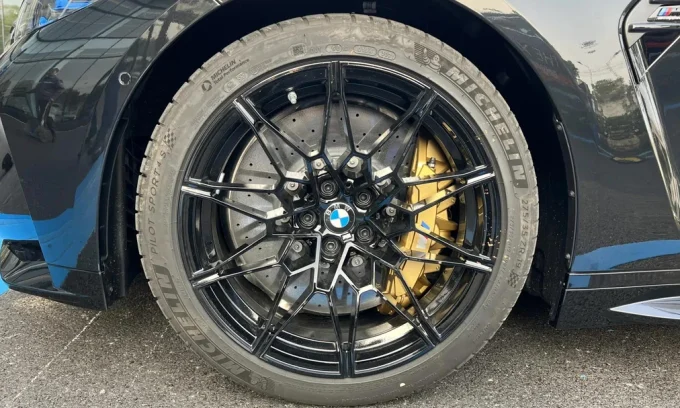
- Weight reduction: CCB rotors are roughly 50% lighter than iron, cutting unsprung mass and improving handling, acceleration and fuel economy.
- Heat tolerance: They operate safely between 538 °C and 760 °C, resisting warping even after repeated hard stops from 200 km/h.
- Longer lifespan: Manufacturers claim ceramic rotors last at least four times longer than conventional iron.
- Low brake dust: The slow wear rate means far less dark dust on wheels after long trips.
- Consistent pedal feel under high heat: They maintain braking performance when iron rotors would fade.
Common Misconceptions
Despite the hype, carbon ceramic brakes do **not** shorten stopping distances on dry pavement. Any gains in braking performance usually come from reduced vehicle weight or more sophisticated brake‑by‑wire control systems, not the material itself.
Drawbacks and Practical Limits
- Cost: A set can add $8,000‑$10,000 to a vehicle’s price – comparable to a mid‑range luxury car.
- Manufacturing time: Producing a single ceramic rotor can take up to three weeks, versus 90 minutes for iron.
- Cold‑weather performance: CCBs are less effective when cold and can be noisy or squeal on wet surfaces.
- Pedal feel: Some drivers find the pedal too “grabby,” making fine modulation tricky.
- Repair cost: If a rotor cracks from a mishap, replacement is far more expensive than swapping a standard iron rotor.
Who Should Consider Them?
If you only drive on public roads and rarely hit the track, the tangible benefits of carbon ceramic brakes are minimal. Enthusiasts who regularly push a car to its limits on a racetrack may appreciate the heat resistance and reduced fade, but even many professional racers revert to iron rotors for predictability and lower replacement costs.
Bottom Line
Carbon ceramic brakes are a remarkable engineering achievement – lighter, hotter, and longer‑lasting than iron. However, they are not a magic bullet for everyday braking performance, and their high price, longer production lead time, and quirks in cold or wet conditions make them a niche option best suited for true track use or for buyers who value the prestige of advanced technology.