
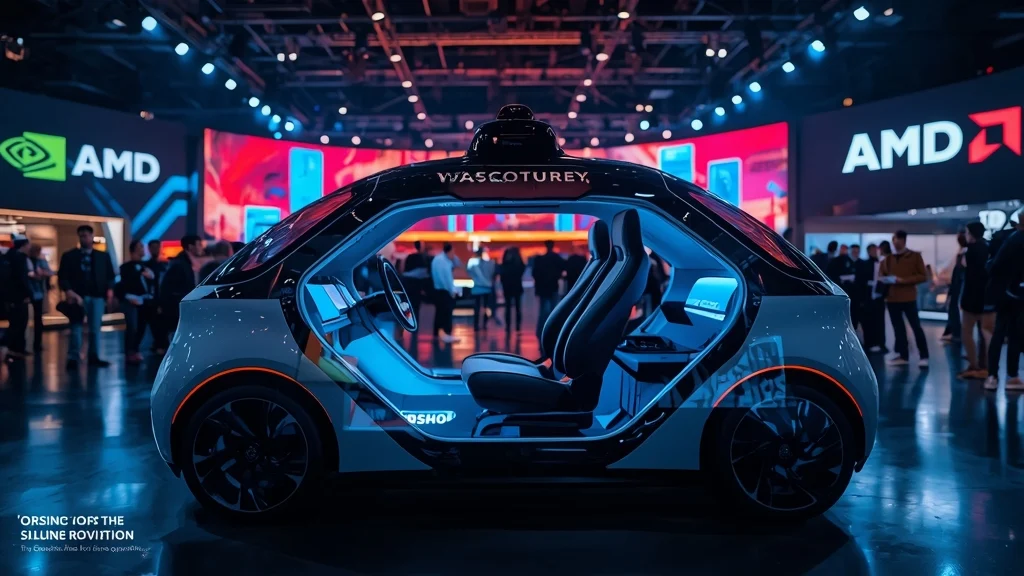
Discover how AI and autonomous vehicle tech dominate CES 2026 as automakers pivot from costly EV plans toward robotaxi and self‑driving innovations. Read more now!
Las Vegas is once again the epicenter of tech hype, but this year CES 2026 is less about next‑gen TVs and more about the future of mobility. While many carmakers are slowing down electric‑vehicle (EV) rollouts amid rising costs and regulatory headwinds, autonomous‑driving technology and artificial intelligence (AI) are stealing the spotlight.
AI and Self‑Driving Tech Lead the Conversation
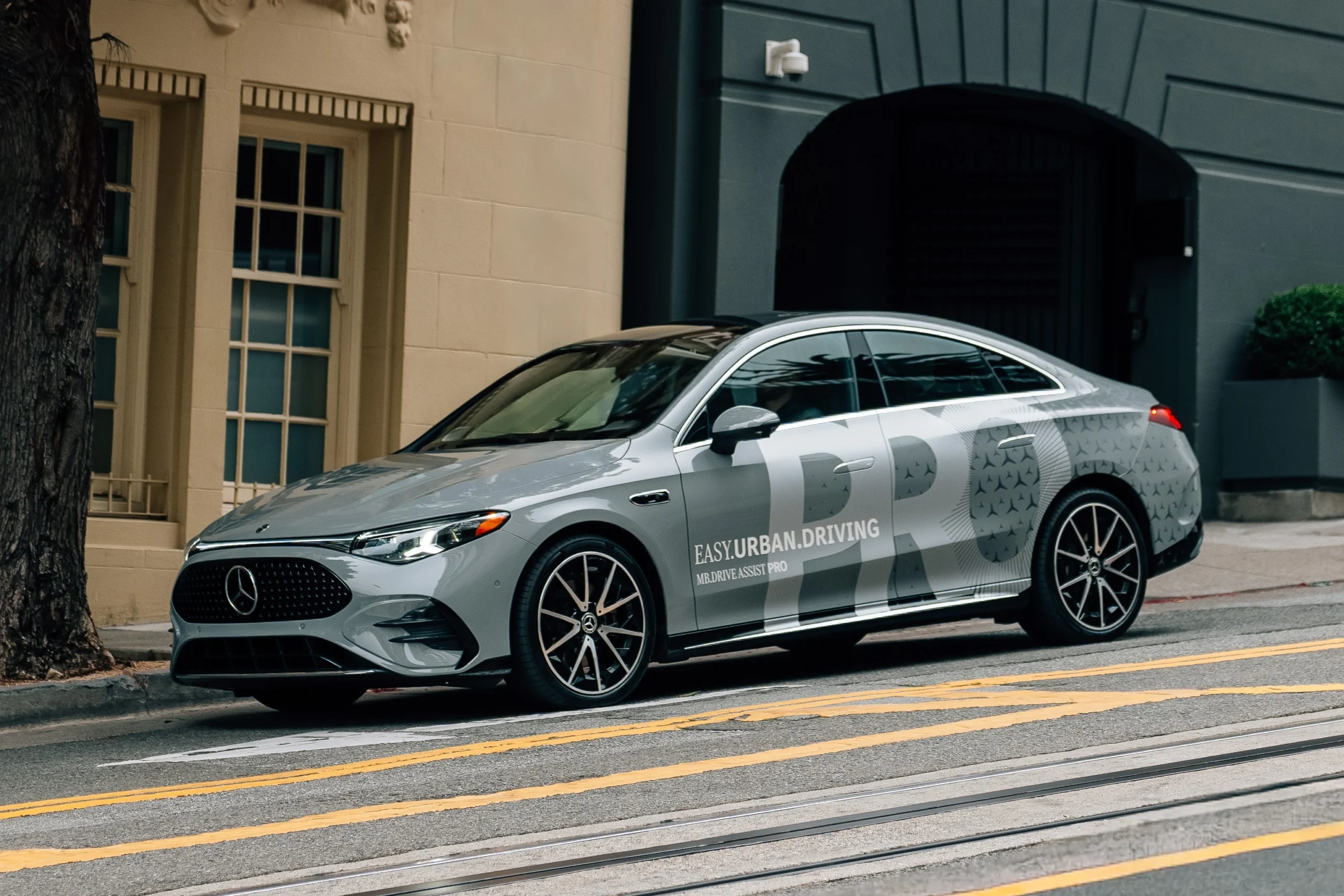
Industry analysts, including C.J. Finn of PwC, note a clear shift: “At this year’s CES you’ll see an unprecedented focus on AI and autonomous driving.” Startup founders and tier‑one suppliers are showcasing the latest hardware stacks, lidar arrays, and AI‑powered software that promise to reduce—or even eliminate—the need for a human driver.
Why EV Plans Are Stalling
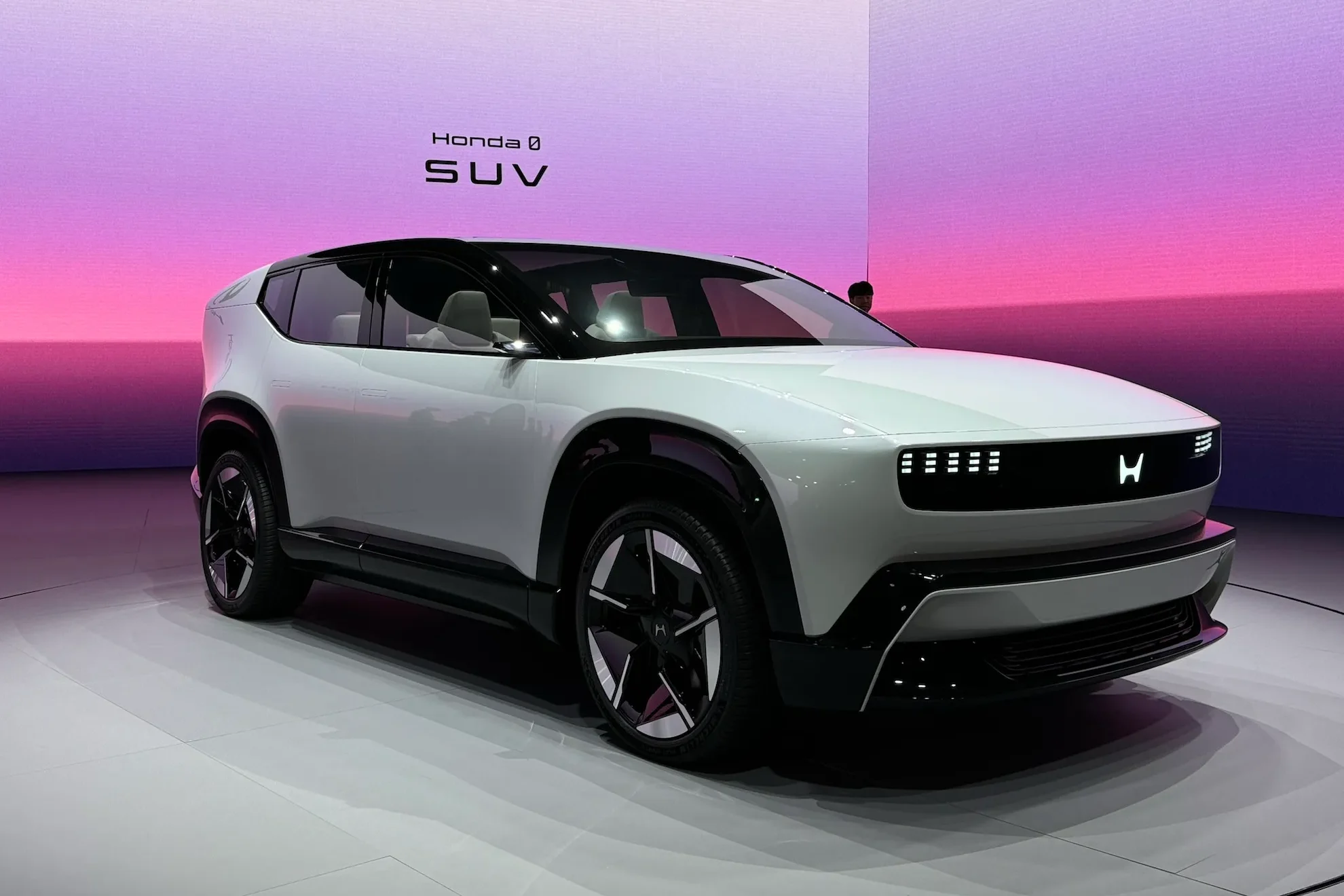
The U.S. policy environment has changed dramatically since the Trump administration trimmed incentives for electric vehicles. With fewer subsidies, many manufacturers have cancelled or postponed new EV launches, choosing instead to absorb higher tariffs on cars and components rather than pass costs to consumers.
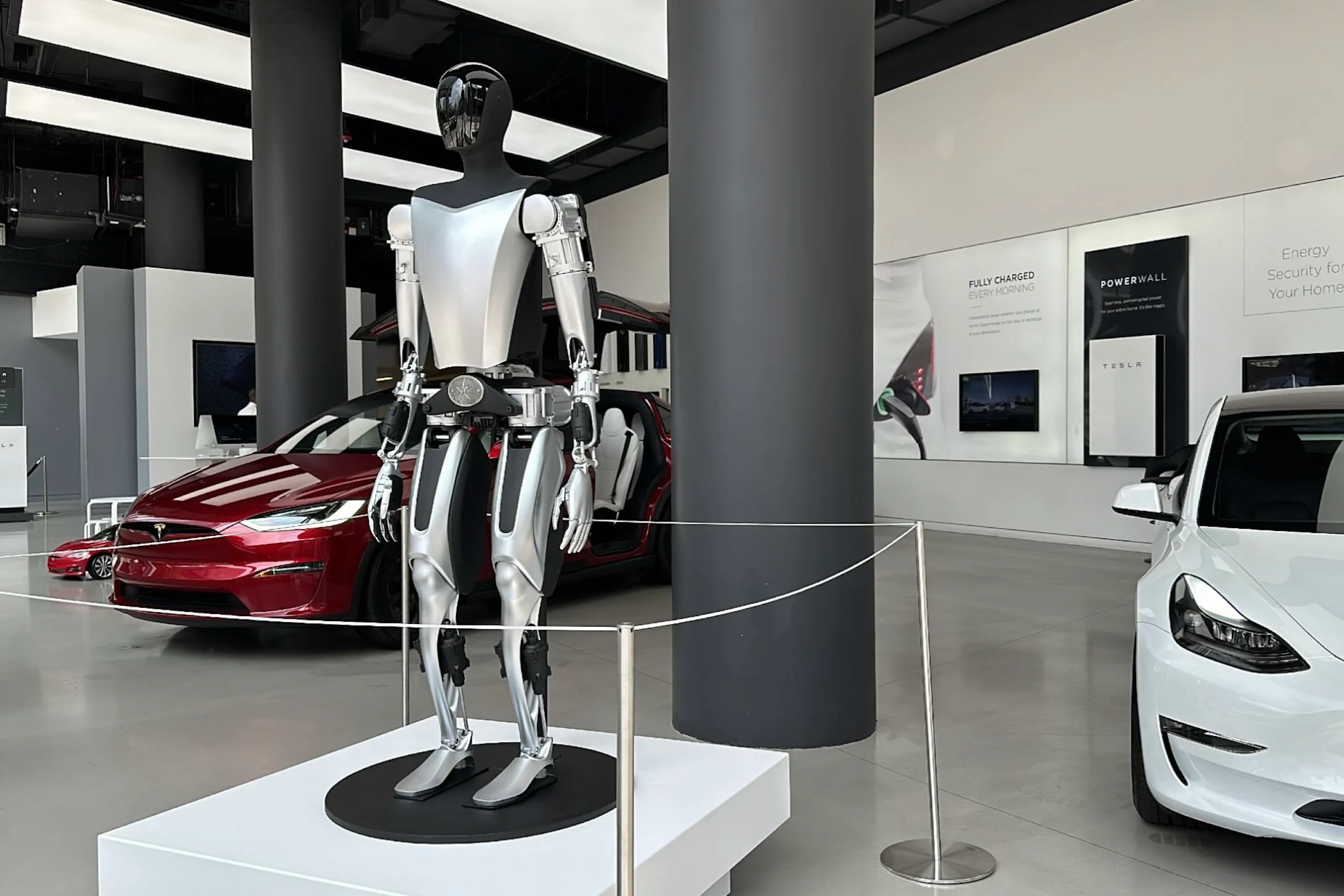
These financial pressures have forced a strategic pivot. Companies are now looking for new growth levers, and autonomous technology is emerging as the most attractive option.
Robotaxi Pilots Show Real‑World Momentum
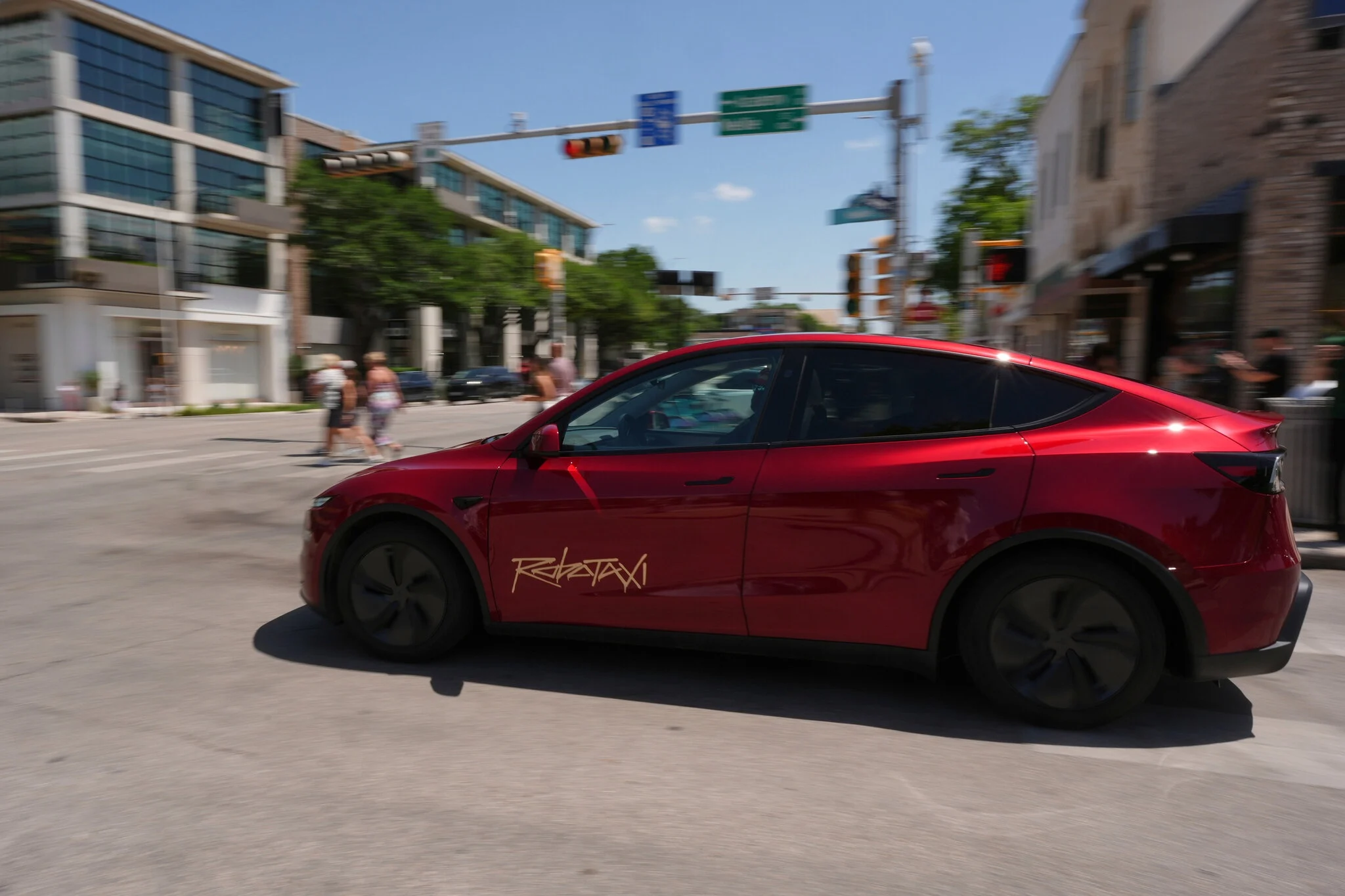
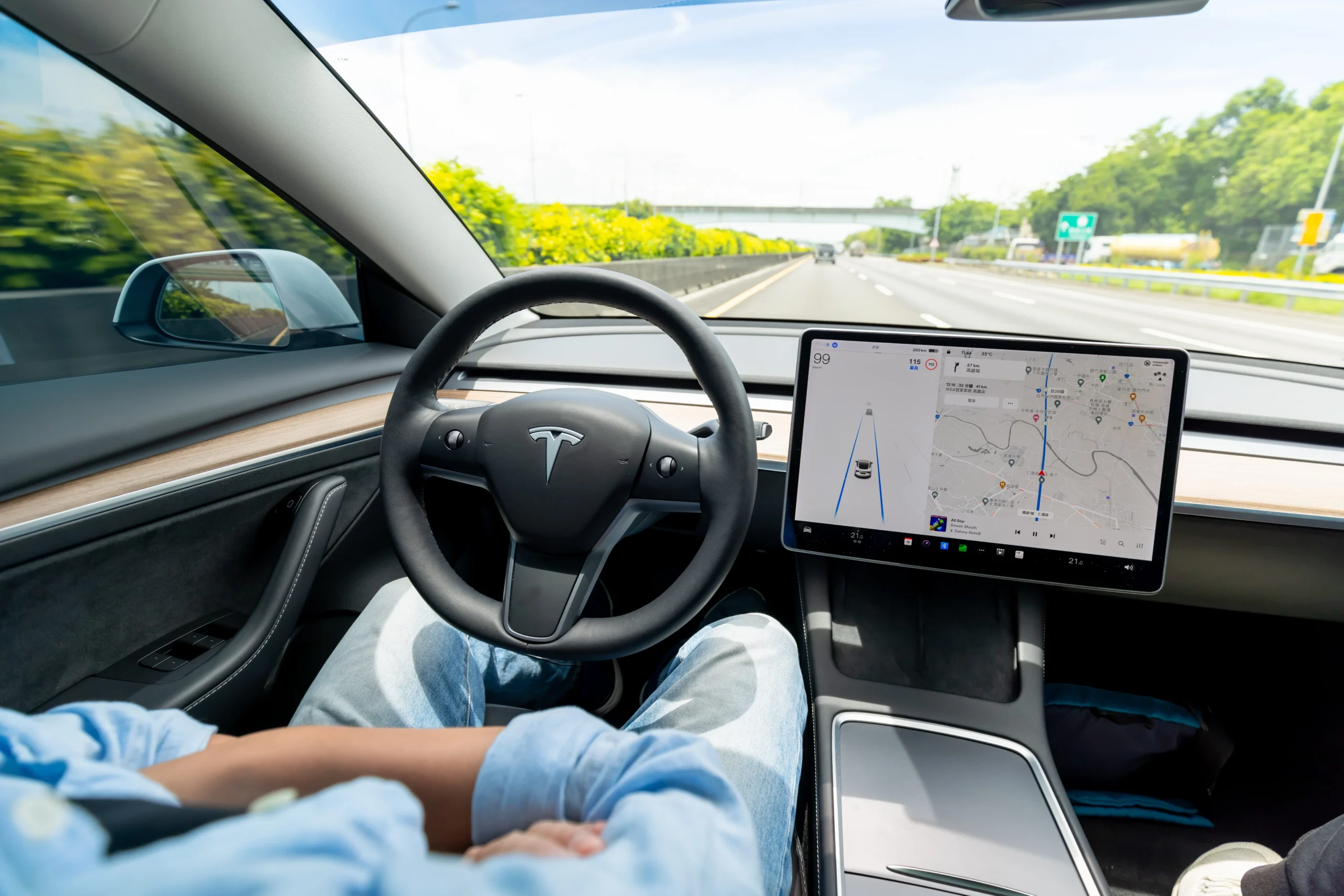
Tesla’s limited‑scale robotaxi service in Austin, Texas, and Waymo’s rapid expansion across U.S. cities demonstrate that autonomous fleets can move from the lab to the streets. The pilots emphasize rigorous safety supervision, a key factor that regulators and the public will continue to scrutinise.
Advances in Consumer‑Facing Driver Assistance
Features such as hands‑free highway cruising, automatic lane changes, and even “eyes‑off” operation in urban environments are becoming reality. Rivian, for example, is testing systems that let the vehicle navigate city streets without driver observation, a milestone that could redefine personal mobility.
Cost and Competitive Pressure Remain Central
Boston Consulting Group’s Felix Stellmaszek predicts that the dominant CES narrative will revolve around cost efficiency and competitive advantage. As Chinese automakers accelerate their own autonomous programs, legacy OEMs must balance massive R&D spending with thin margins.
In this context, AI and self‑driving tech are not just add‑ons; they are the core growth engine that could reshape the automotive sector during a period of deep restructuring.
What to Expect at CES 2026
From January 6‑9, industry leaders like Nvidia’s Jensen Huang and AMD’s Lisa Su will take the stage, highlighting how AI chips power the next wave of autonomous vehicles. Attendees can anticipate a flurry of partnership announcements aimed at cutting costs, scaling production, and bringing driverless cars closer to mass adoption.
Stay tuned as CES 2026 unfolds – the future of transportation may well be written on the Las Vegas strip.