
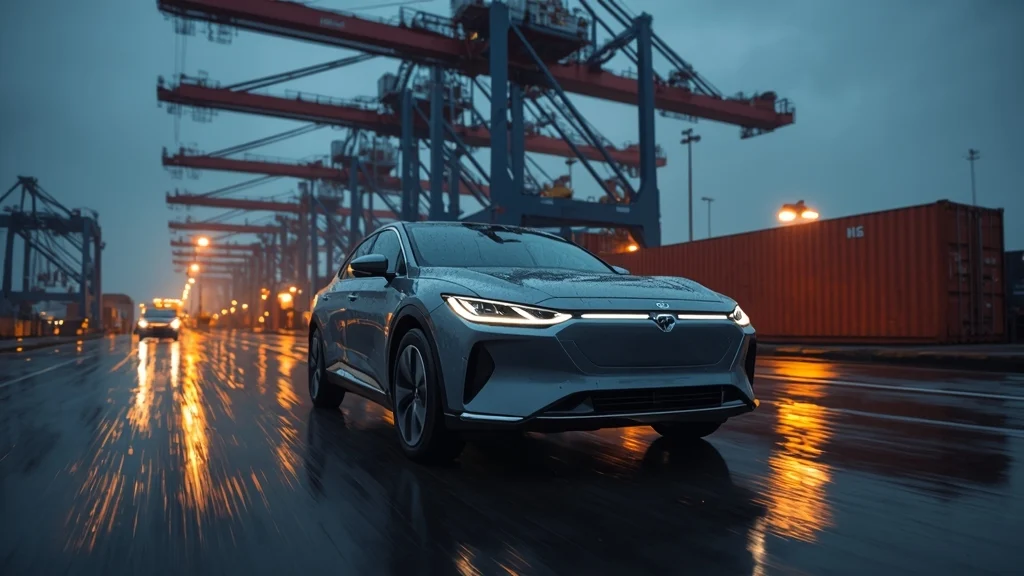
China’s auto sales slowed to the weakest growth in three years, while record‑breaking exports boost the market. Learn the key trends now.
China’s automotive sector recorded its slowest sales growth in three years during 2025, as weakening domestic demand was offset by a surge in overseas shipments. The shift highlights a pivotal moment for manufacturers that are increasingly leaning on export markets to sustain momentum.
Domestic sales lose steam
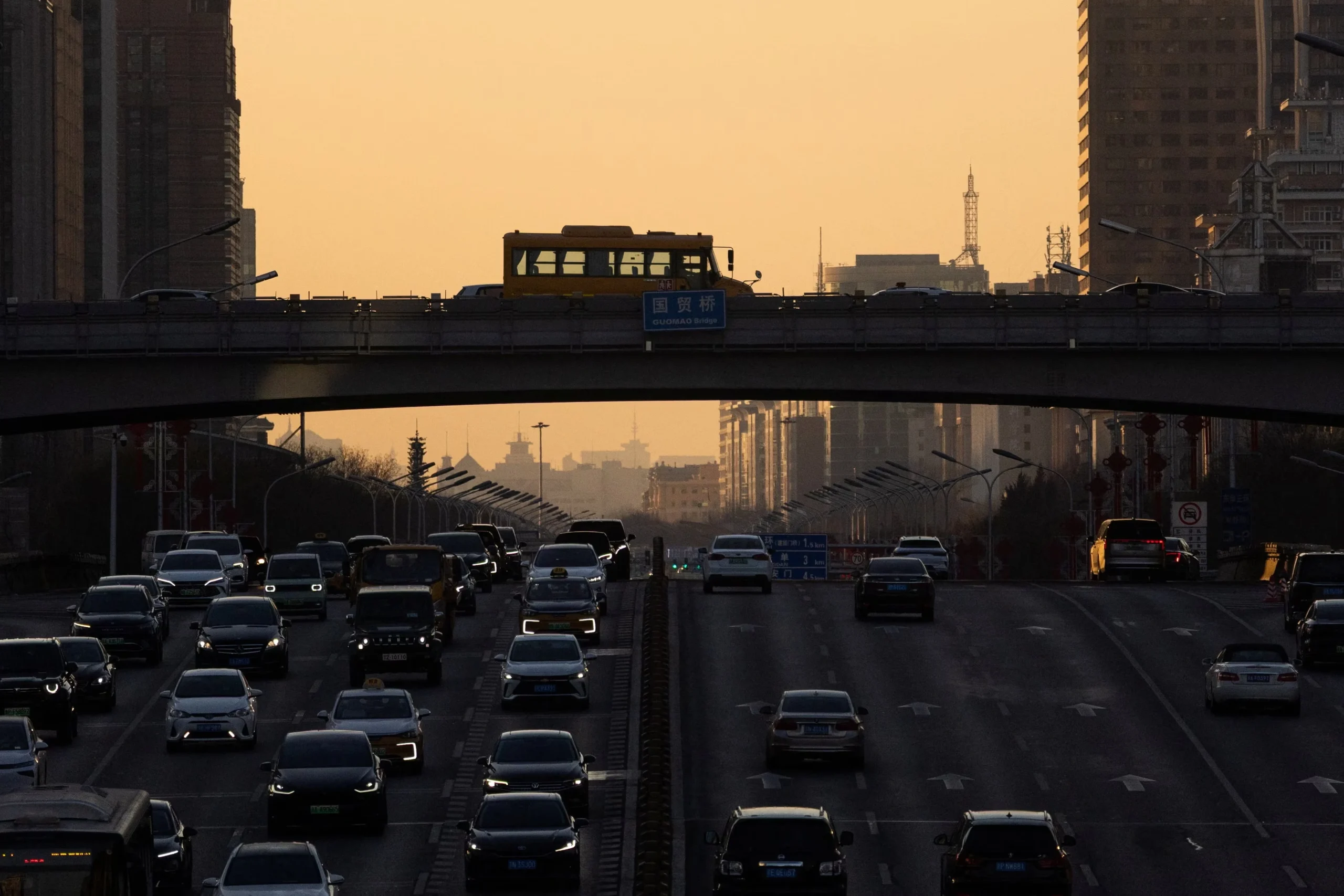
According to data from the China Passenger Car Association (CPCA), new‑car registrations fell 14.5% year‑on‑year in December 2025, sinking to 2.28 million units. This decline was sharper than the 8.5% dip seen in November and represents the steepest monthly drop since February 2024.
When the full year is considered, overall sales rose only 3.9%—well below the 5.3% gain recorded in 2024 and the weakest expansion in the past three years.
Electric and plug‑in models overtake gasoline
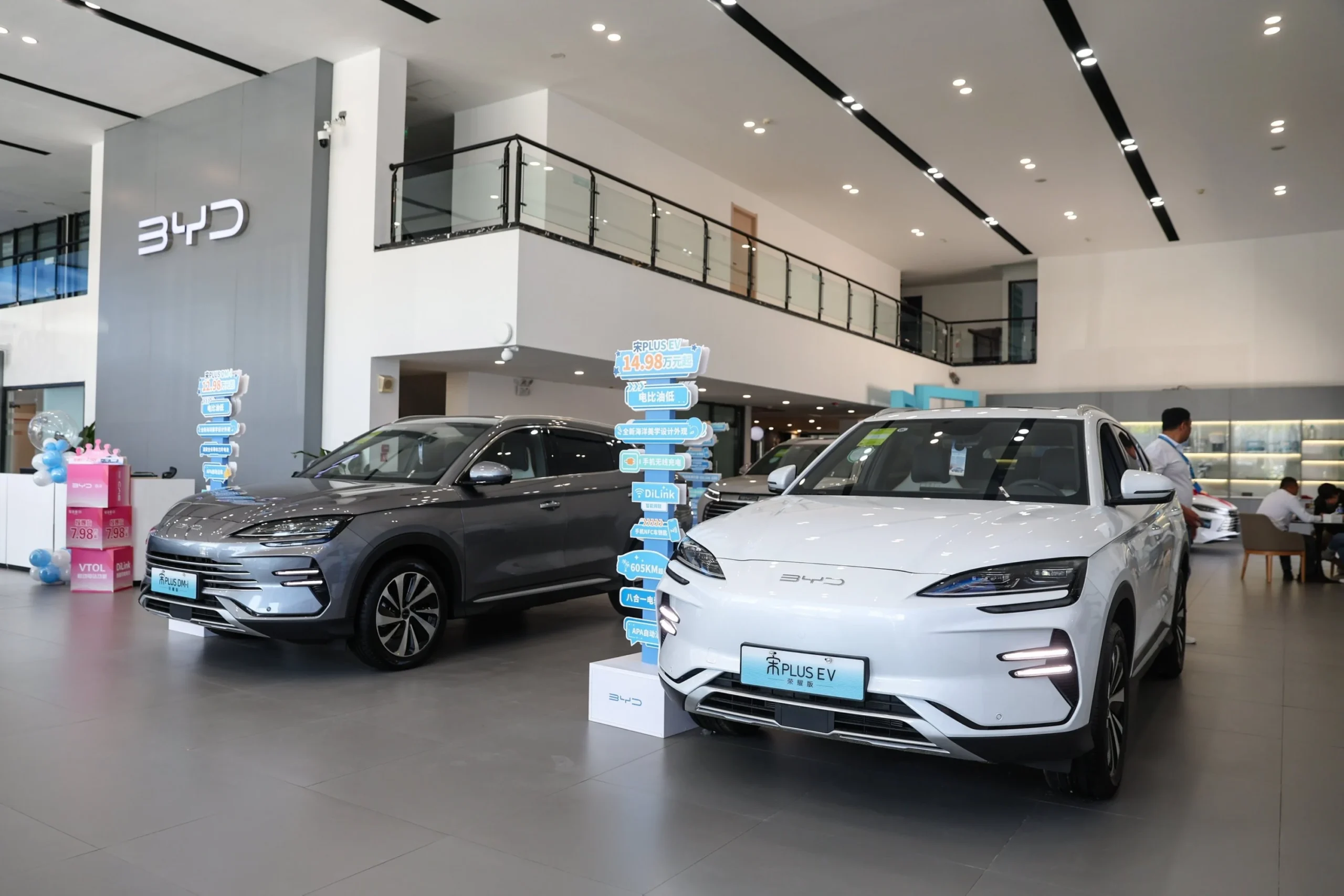
For the first time, battery‑electric vehicles (BEVs) and plug‑in hybrids (PHEVs) collectively outsold traditional gasoline cars on an annual basis. However, the growth rate of China’s broader New Energy Vehicle (NEV) segment slowed dramatically to 17.6% in 2025, a sharp fall from the 40.7% surge recorded the previous year.
Why domestic demand stalled
In the fourth quarter, many municipalities curtailed or paused subsidies for vehicle replacements due to tightening fiscal resources. The reduction of financial incentives intensified competition in the world’s largest auto market, leaving manufacturers scrambling for sales.

- Key players such as Changan, FAW, Li Auto, and Nio missed their 2025 sales targets.
- Even BYD, China’s top‑selling automaker, posted its weakest growth rate in a five‑year span, barely reaching a revised goal of 4.6 million units.
Exports become the new growth engine
China’s vehicle exports jumped 19.4% in 2025, reaching 5.79 million units. Export shipments of electric and plug‑in models exploded by 86.2% to 2.42 million cars, far outpacing the association’s earlier forecast of a modest 10% increase.
BYD exemplified this export‑driven rebound, delivering more than 1 million cars abroad and overtaking Tesla to become the world’s largest EV producer in 2025.
Looking ahead
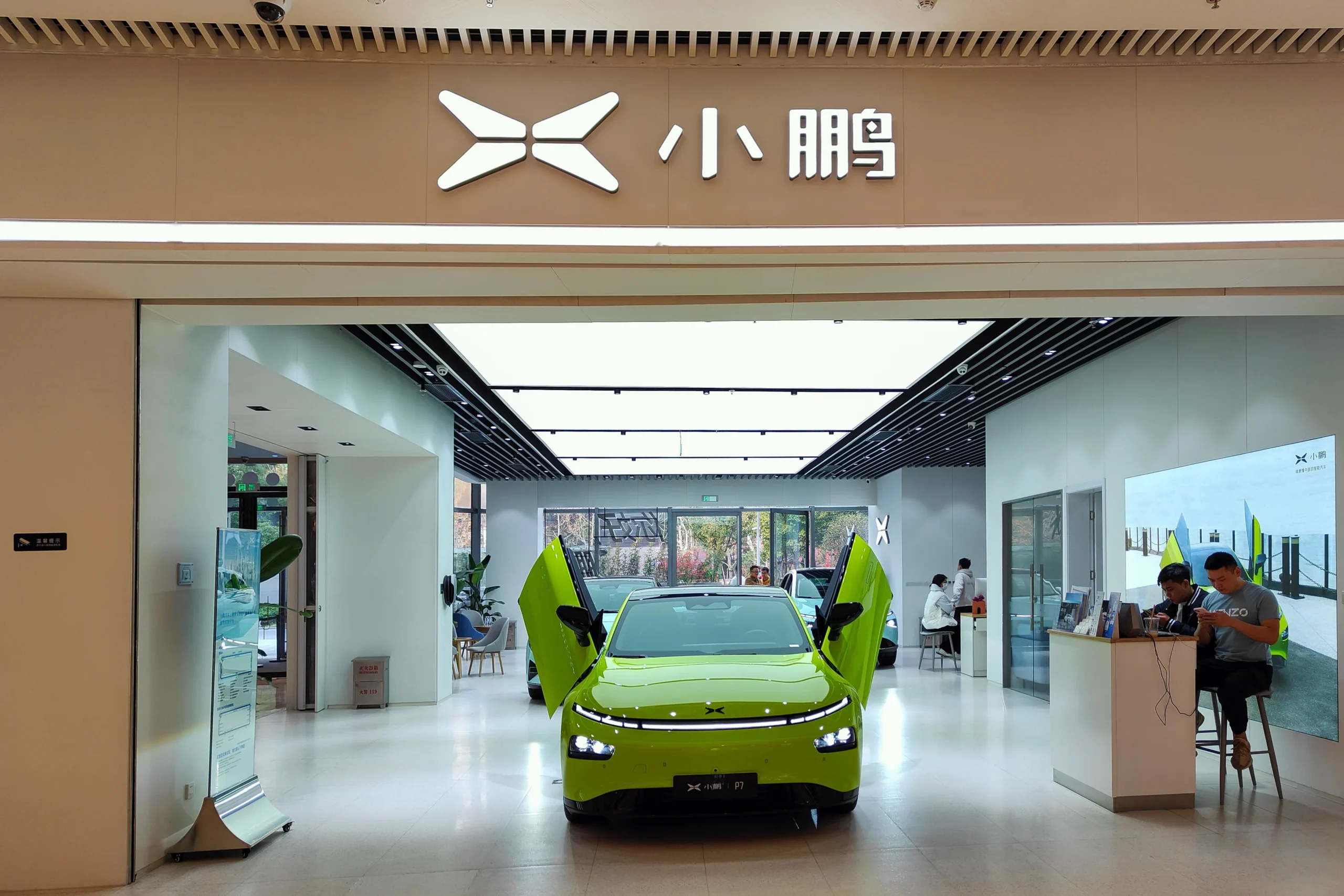
Industry analysts expect the export momentum to continue supporting China’s auto sector as domestic sales remain volatile. Manufacturers are likely to deepen their overseas footprints, invest in new‑energy technologies, and adapt pricing strategies to retain market share both at home and abroad.
Stay updated on the evolving dynamics of China’s automotive landscape and discover how global OEMs are responding to these shifts.