
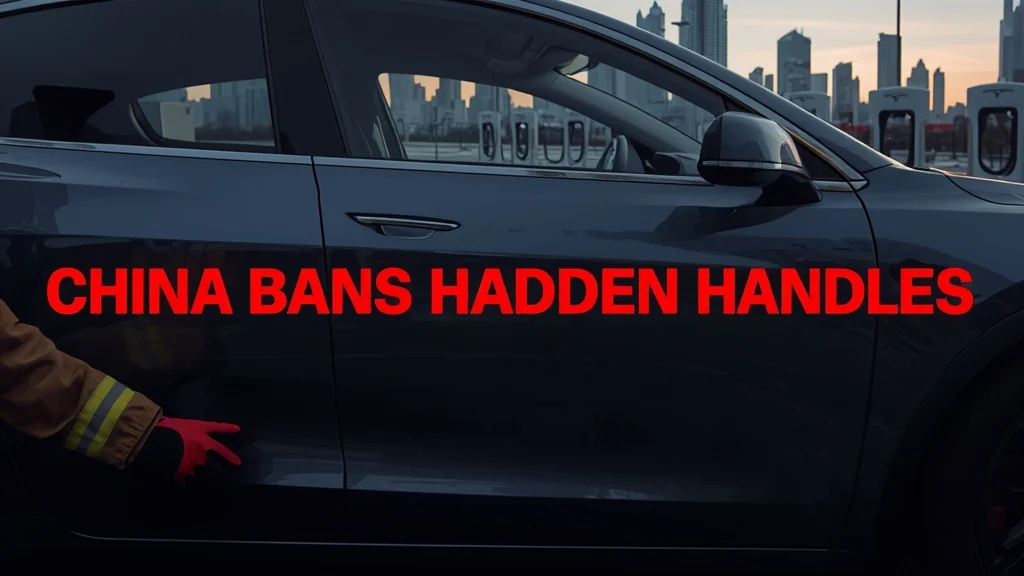
China is the first nation to ban hidden car door handles on EVs, a step that may reshape global safety rules. Discover the impact on automakers and drivers. Read more now.
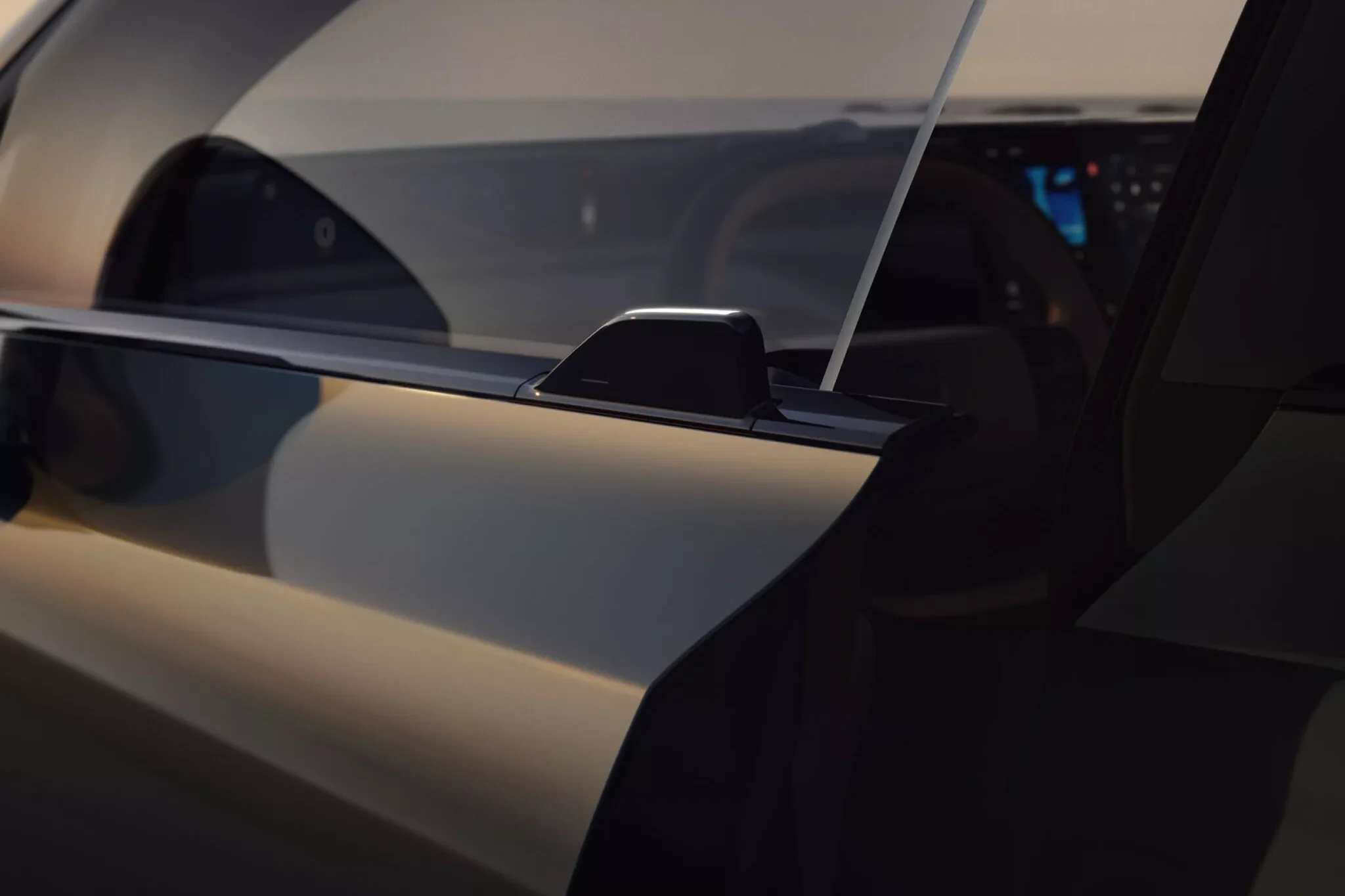
Beijing has taken a bold step in automotive safety: starting January 1, 2027, all electric vehicles sold in China must feature a mechanical door‑opening mechanism on both the interior and exterior. The new rule effectively bans the sleek, pull‑out door handles popularised by Tesla and now common on many premium EVs.
Why the ban matters
Hidden door handles were praised for their futuristic look, but a series of high‑profile accidents – including two electric‑car fires involving Xiaomi’s models – raised serious concerns. In both cases, an unexpected loss of power left occupants unable to open the doors, trapping them inside.
The regulatory details
China’s Ministry of Industry and Information Technology (MIIT) mandates a minimum 6 × 2 cm opening slot on the outside of each door and a clear interior label of at least 1 × 0.7 cm indicating how to release the latch. Manufacturers have until January 2029 to redesign vehicles already slated for launch.

Who is affected
Analysts estimate that about 60 % of the 100 best‑selling new‑energy vehicle (NEV) models in China use hidden handles. The ban will therefore hit luxury and futurist models the hardest. Affected cars include:
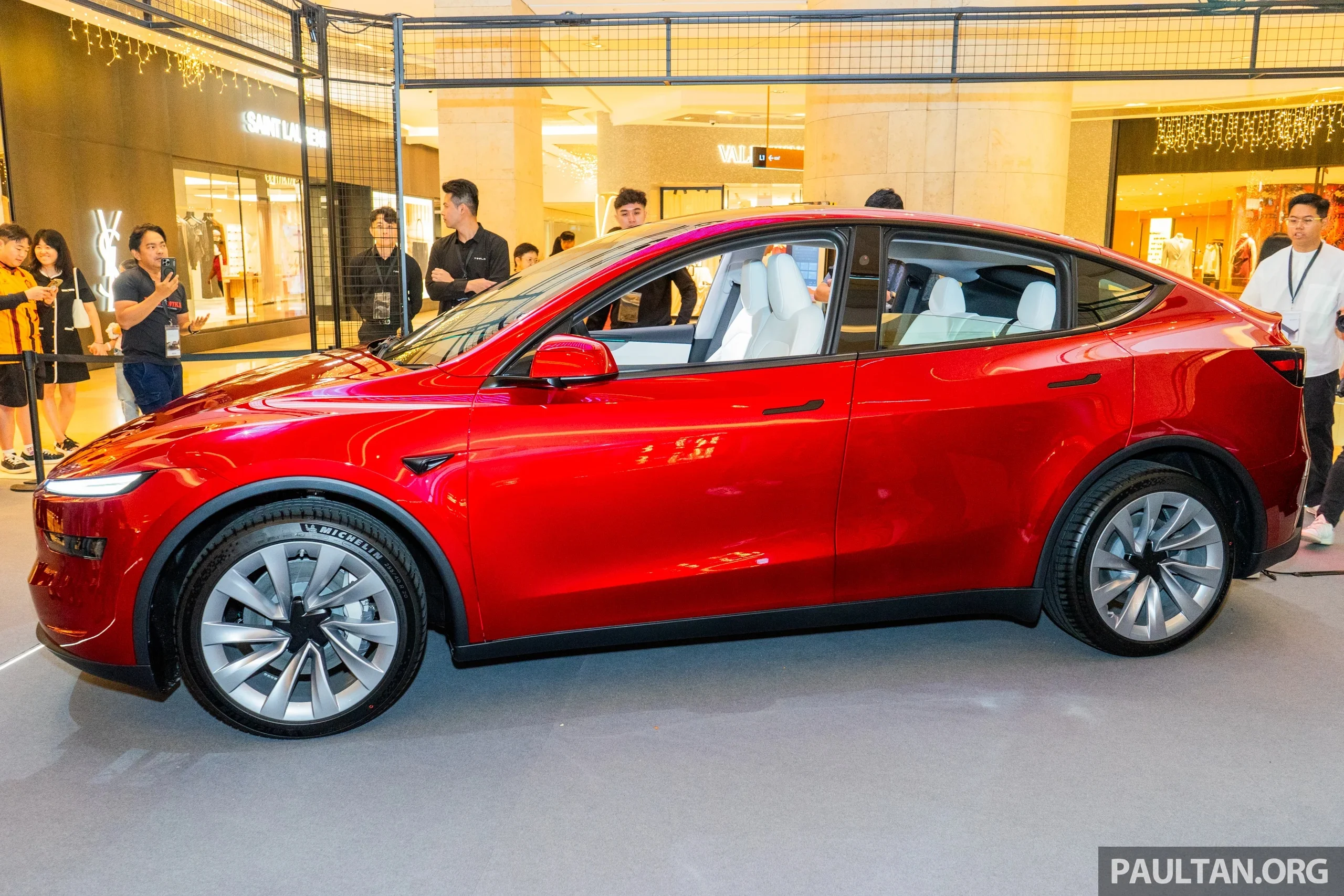
- Tesla Model Y and Model 3
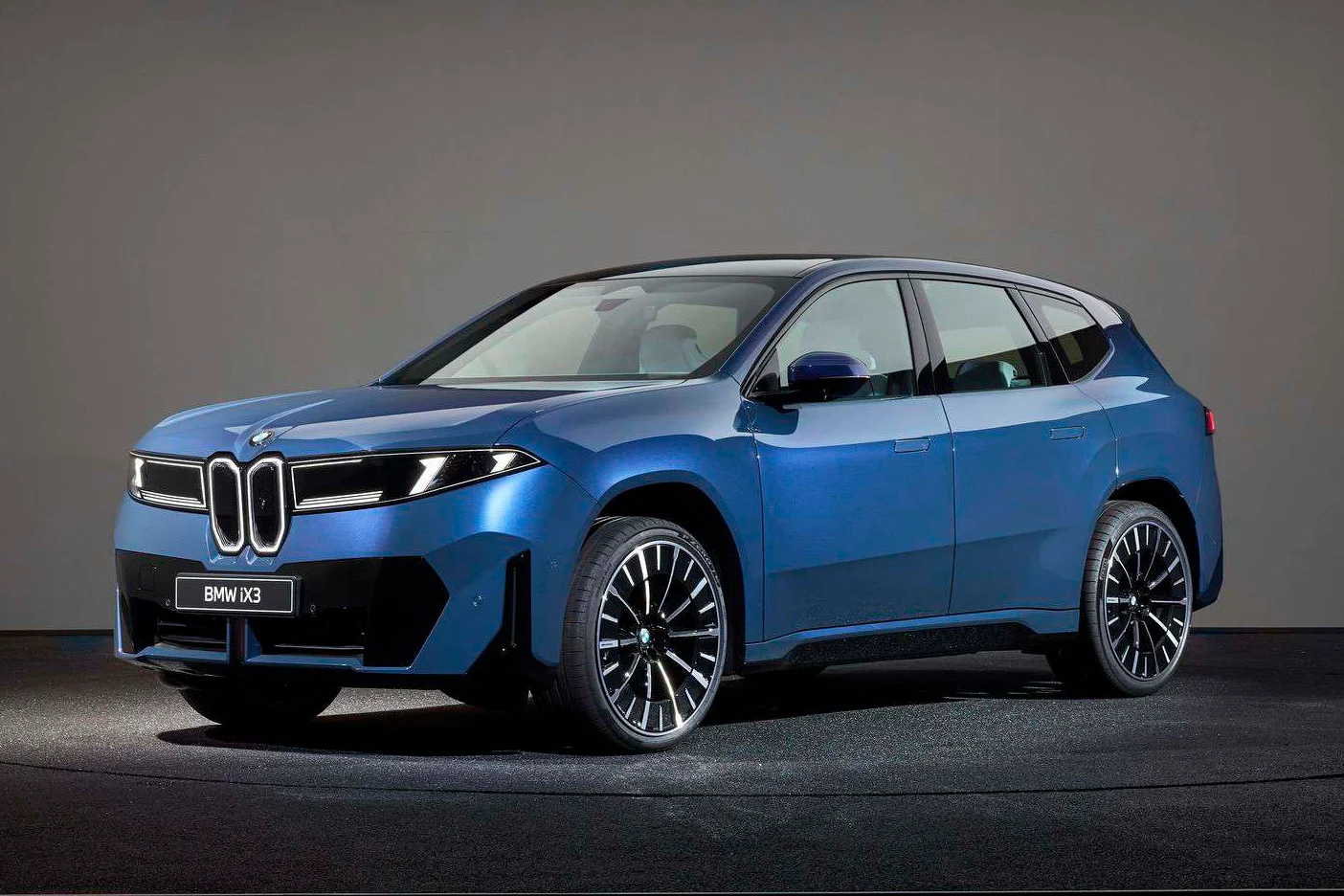
- BMW iX3 (China‑specific version)
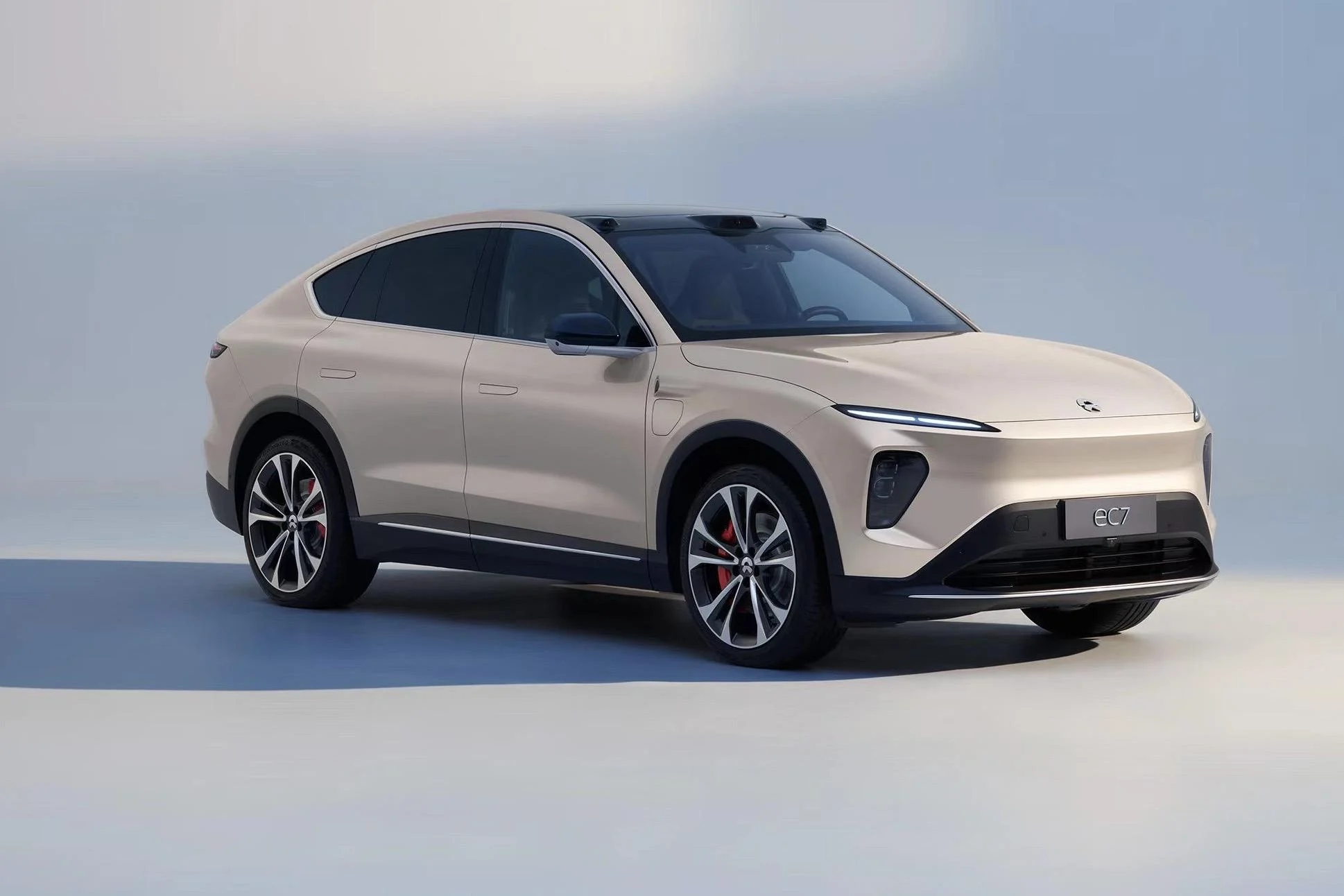
- Nio ES8, Li Auto i8, Xpeng P7
- Xiaomi YU7 SUV and the earlier SU7 sedan
Cost of compliance
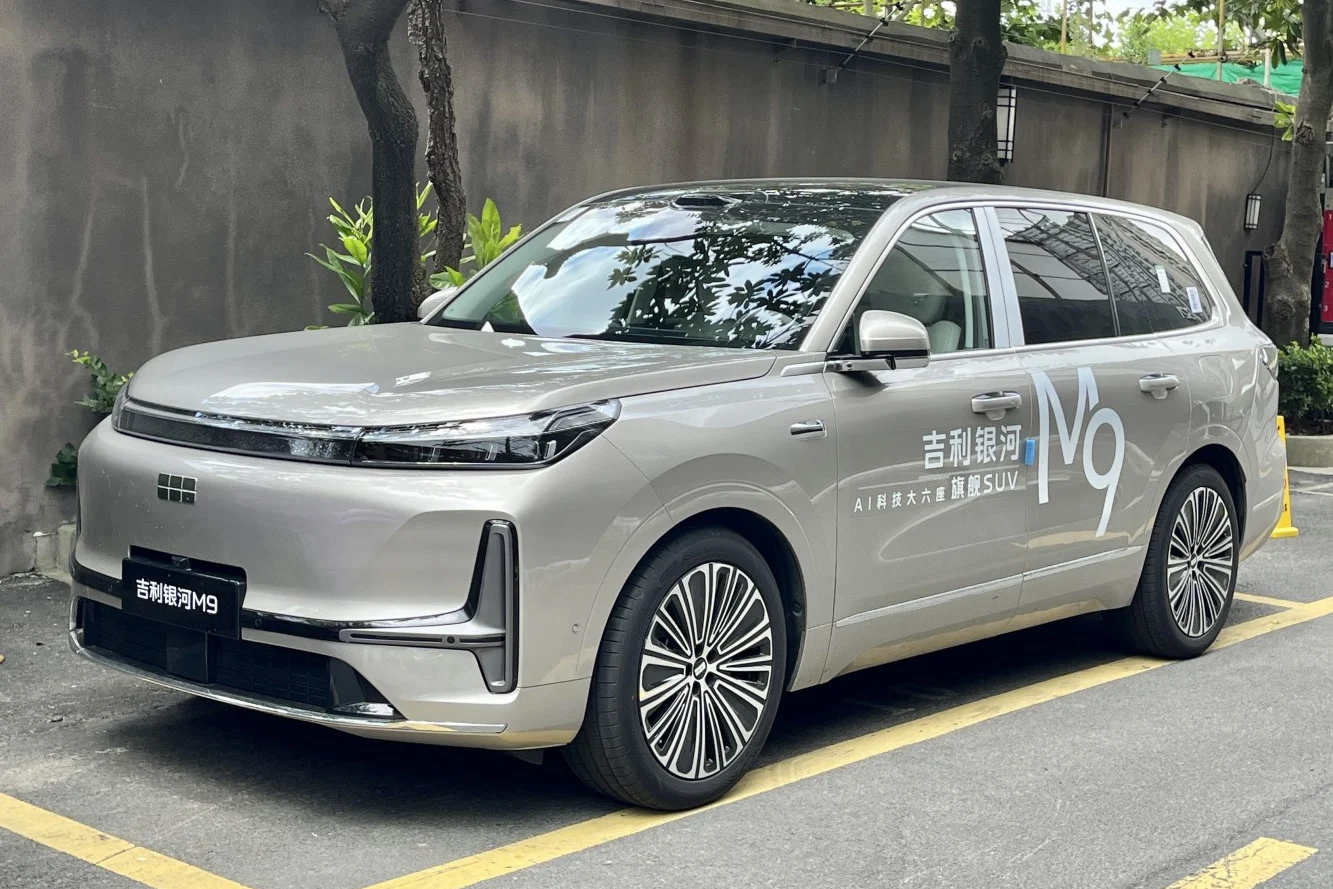
Industry insiders warn that retrofitting a single model could cost upwards of ¥100 million (about $14.4 million USD). Smaller EV makers are already revisiting designs; Geely’s Galaxy M9 and BYD’s Seal 06 have already switched back to conventional handles.
Global ripple effects
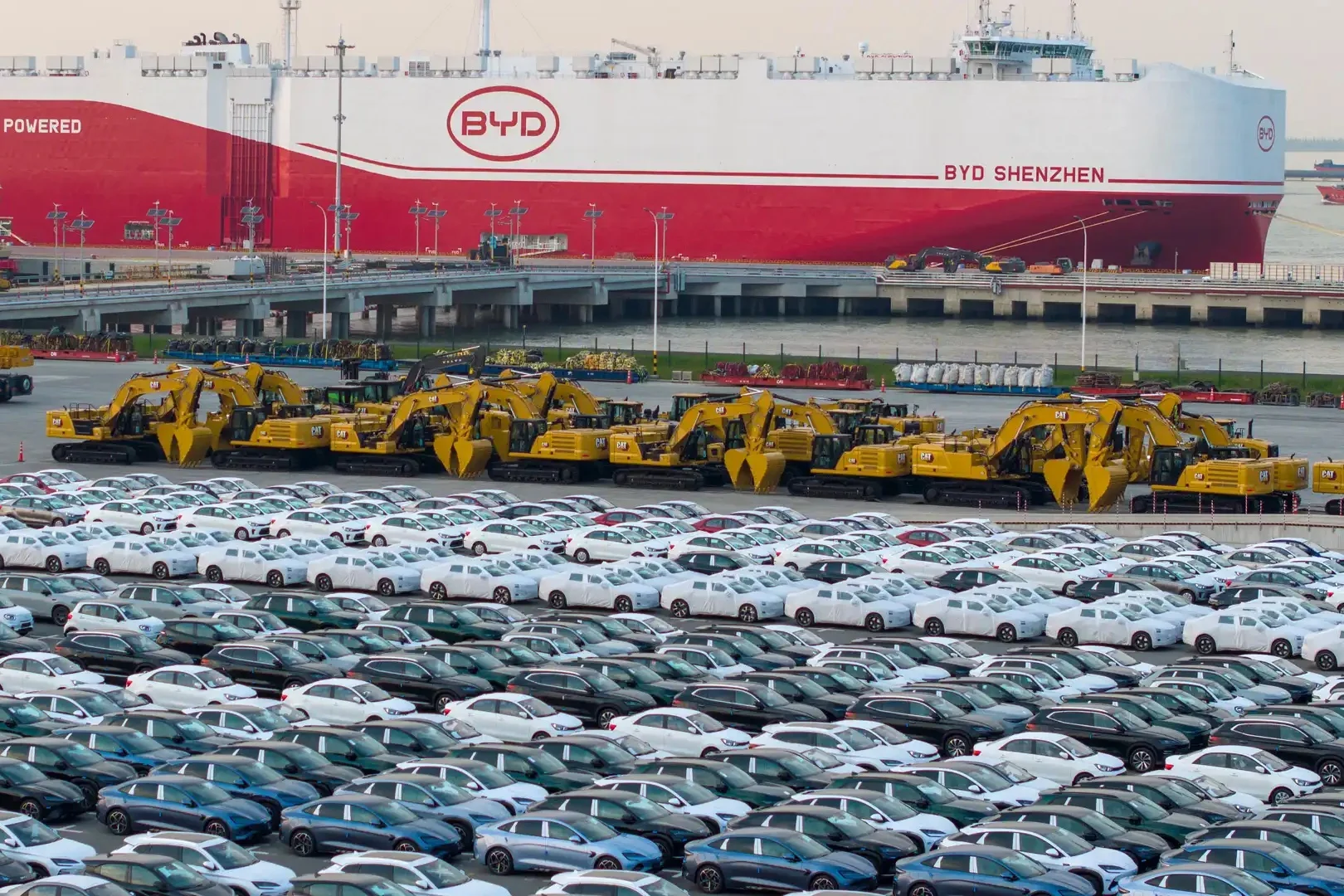
China’s market accounts for roughly a third of global EV sales, so the move is likely to influence standards elsewhere. The United States is already investigating Tesla’s door‑handle system, while European regulators are reviewing similar safety measures.
Reactions from the industry
Bill Russo, founder of Shanghai‑based consultancy Automobility, says, “China is transitioning from the world’s largest EV market to a rule‑maker for new automotive technologies. By acting first, Beijing can set safety benchmarks that manufacturers worldwide will have to follow.”
Some manufacturers argue that the “one‑size‑fits‑all” approach could stifle innovation, especially for cars that combine electric and mechanical opening mechanisms. Others see it as an opportunity to standardise emergency‑exit features.
What’s next for manufacturers?
Tesla has pledged to roll out software updates that automatically open doors when battery voltage drops too low, and to improve the tactile feel of its physical latch. However, the company has not disclosed a detailed timeline for the Chinese market.
Looking ahead
Beyond doors, China’s Ministry of Public Security is also drafting limits on rapid acceleration from a standstill and tightening oversight of advanced driver‑assistance systems. These moves underline a broader strategy: China aims to lead the world not only in EV adoption but also in the regulatory framework that governs them.
For consumers, the immediate benefit is clear – a more reliable way to exit a vehicle in an emergency. For the industry, the ban marks a pivotal moment in the ongoing balance between cutting‑edge design and uncompromising safety.