
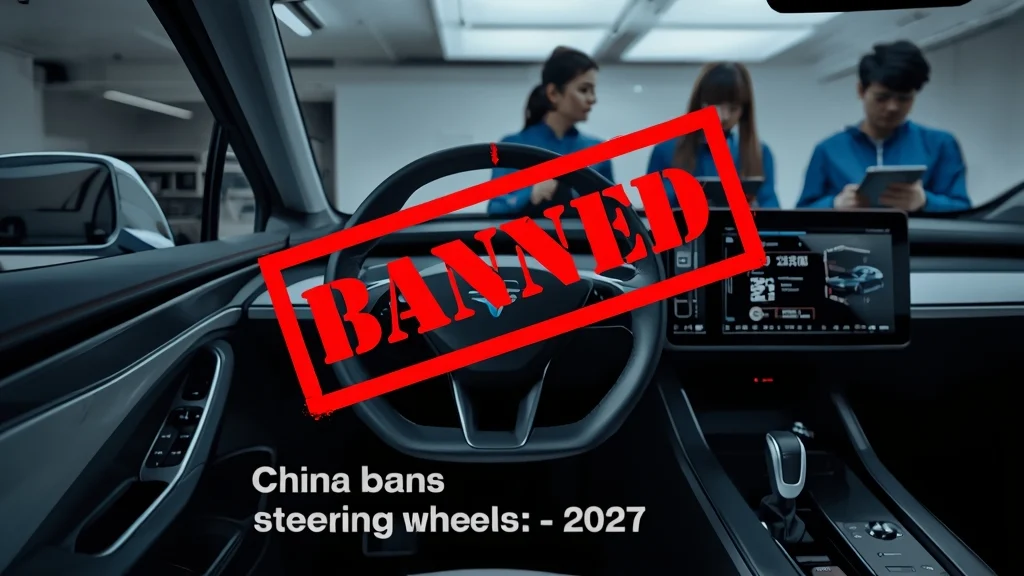
China’s safety standards will ban yoke‑style steering wheels on electric cars from 2027 due to crash risks. Discover what this means for drivers—read on!
What the New Rule Means
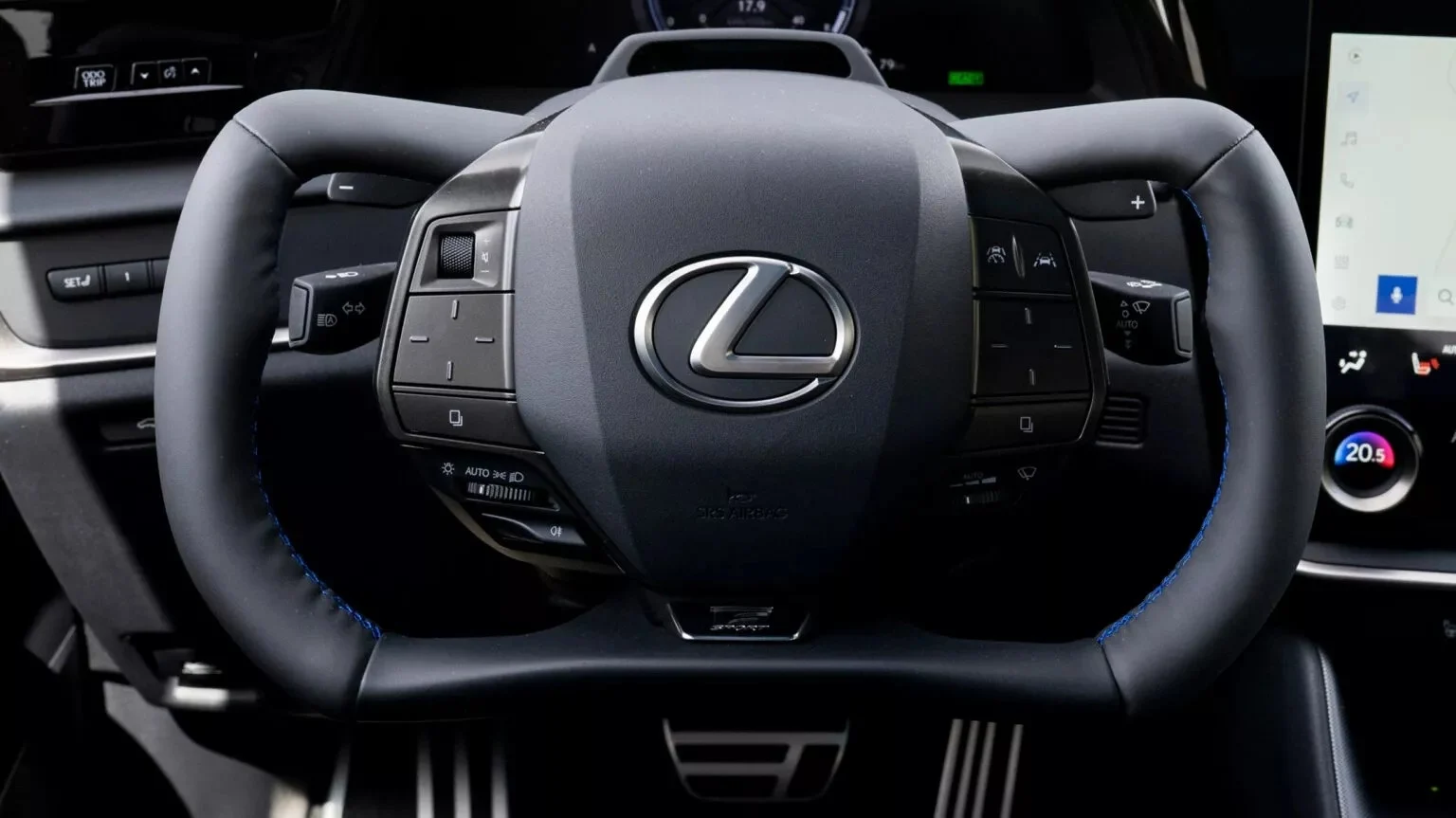
China’s Ministry of Industry and Information Technology (MIIT) has released a draft of mandatory safety standards slated to take effect on 1 January 2027. The core of the proposal is a ban on half‑rim, or “yoke”, steering wheels – the futuristic, aircraft‑style controls seen on some electric models such as the Tesla Model S Plaid.
Why the Ban?
Data from Chinese traffic‑safety authorities show that 46 % of driver injuries in crashes stem from the steering‑system layout. Traditional round wheels provide a larger cushioning zone when a driver is thrust forward in a collision, while the open‑ended U‑shaped yoke offers less surface area and can allow the driver’s torso to slide toward the vehicle’s outer panel.
In secondary impacts, the yoke’s shape also hampers the deployment of airbags and makes tight‑turn manoeuvres—such as parallel parking or a three‑point turn—more difficult, increasing the risk of injury.
Testing Protocols That Seal the Deal
The new regulation calls for impact testing at ten specific points around the steering rim. Yoke designs, which lack a continuous outer circle, cannot accommodate these test points and therefore fail to meet the required criteria.
Timeline for Manufacturers
- All new‑model applications after the 2027 start date must conform to the yoke ban.
- Existing models already certified can continue to be sold for a grace period of roughly 13 months, after which they must be updated or withdrawn.
Broader Safety Push in China
The move follows earlier restrictions on hidden door‑handle designs, which were also deemed a safety hazard in crash scenarios. By tightening these standards, Chinese regulators are signalling that passenger protection outweighs avant‑garde styling trends.
What This Means for Consumers
Buyers looking for the high‑tech cockpit feel of a yoke‑style wheel will need to consider alternative markets or wait for manufacturers to redesign their steering systems to meet the new Chinese standards. For the wider industry, the rule could accelerate a shift back toward conventional round wheels—or inspire new safety‑focused steering concepts.
Looking Ahead
As global safety norms continue to converge—especially under United Nations vehicle‑safety frameworks—the Chinese ban may set a precedent that other regions watch closely. For now, the 2027 deadline gives automakers a clear timeline to adapt their designs and ensure compliance.