
China’s regulators summon top battery makers like CATL and BYD to curb overcapacity and price wars in the global energy‑storage market. Learn more now.
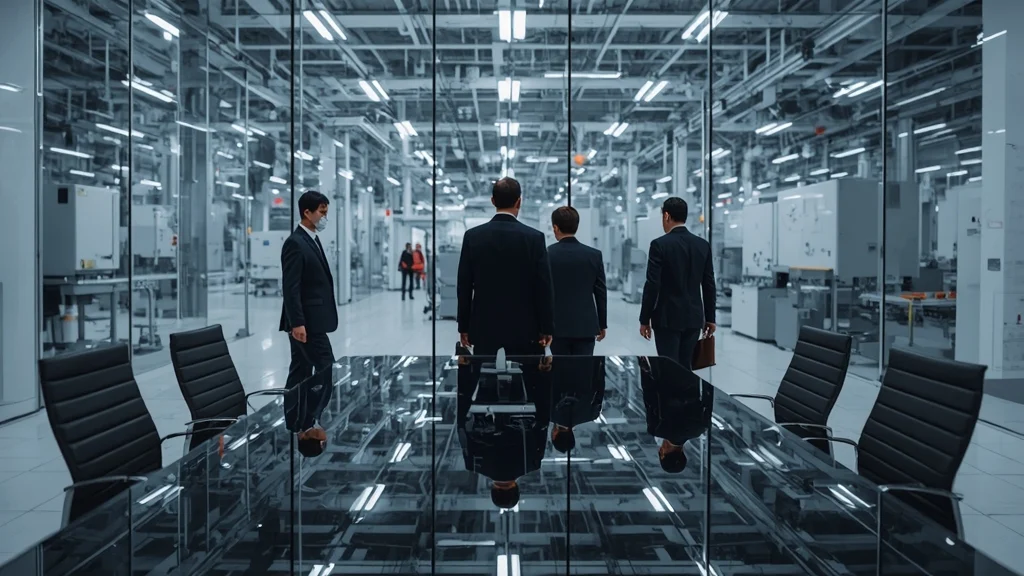
Beijing’s leading industry regulators have called an urgent, closed‑door meeting with the world’s biggest battery manufacturers and suppliers – including CATL, BYD, Gotion High‑Tech and system integrators such as Trina Solar Energy – to address the growing risk of overcapacity in the battery sector.
Why the meeting matters
The Chinese Ministry of Industry and Information Technology (MIIT), together with the National Development and Reform Commission (NDRC), the State Administration for Market Regulation (SAMR) and the National Energy Administration (NEA), convened the gathering on 6 January. Their joint goal: to rein in a price‑driven war and prevent unchecked expansion that could destabilise a market that now controls nearly 70 % of global battery storage capacity.
Key participants
- Battery producers: Contemporary Amperex Technology (CATL), BYD, China Aviation Lithium Battery (CALB), Gotion High‑Tech, EVE Energy, Sunwoda, SVOLT.
- Supply‑chain partners: HiNa New Energy, Zhejiang Jiyao Tongxing Energy Technology, Cornex New Energy.
- System integrators: CRRC Zhuzhou Institute, HyperStrong New Energy Technology, Trina Solar Energy Storage.
Regulators’ agenda
MIIT outlined a multi‑pronged approach aimed at restoring market order:
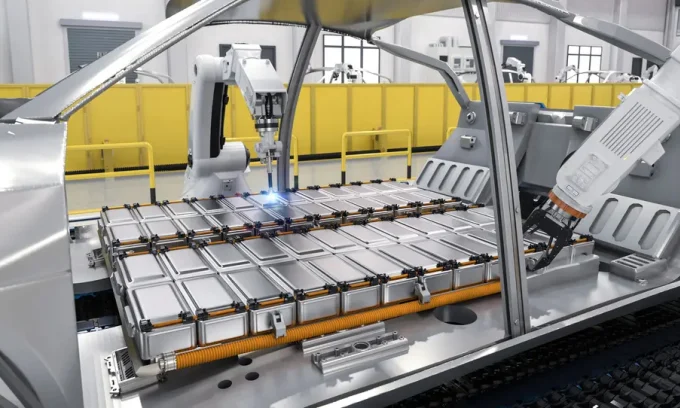
- Stricter market supervision: tighter enforcement of pricing rules and anti‑dumping measures.
- Quality and consistency checks: intensified audits of production processes and product standards.
- Intellectual‑property protection: harsher penalties for infringement.
- Capacity‑management framework: a tiered monitoring system with early‑warning alerts to flag excess production capacity.
- Co‑ordination between central and local authorities: joint oversight to curb redundant projects.
Industry response
Officials emphasized that the move signals official support for greater self‑discipline within the sector. Trade associations are urged to guide members in planning realistic capacity expansions and to foster a market environment defined by “quality over price” rather than a race to the bottom.
Global impact
According to South‑Korean market‑research firm SNE Research, six Chinese firms rank among the world’s top ten in installed energy‑storage capacity for the period January‑November 2025, together holding 69.4 % of the global market – an increase of more than three percentage points from the same period in 2024. Any shift in Chinese production strategy therefore ripples across the global supply chain, influencing EV manufacturers, renewable‑energy developers and end‑users worldwide.
What’s next?
The regulators plan to roll out the new oversight mechanisms over the coming months, with periodic reviews to assess compliance and market health. Companies that adapt quickly could gain a competitive edge, while those that continue aggressive over‑building may face penalties or reduced access to state‑backed incentives.
Stakeholders worldwide are watching closely as China seeks to balance rapid growth with sustainable, fair competition in the rapidly evolving battery landscape.