
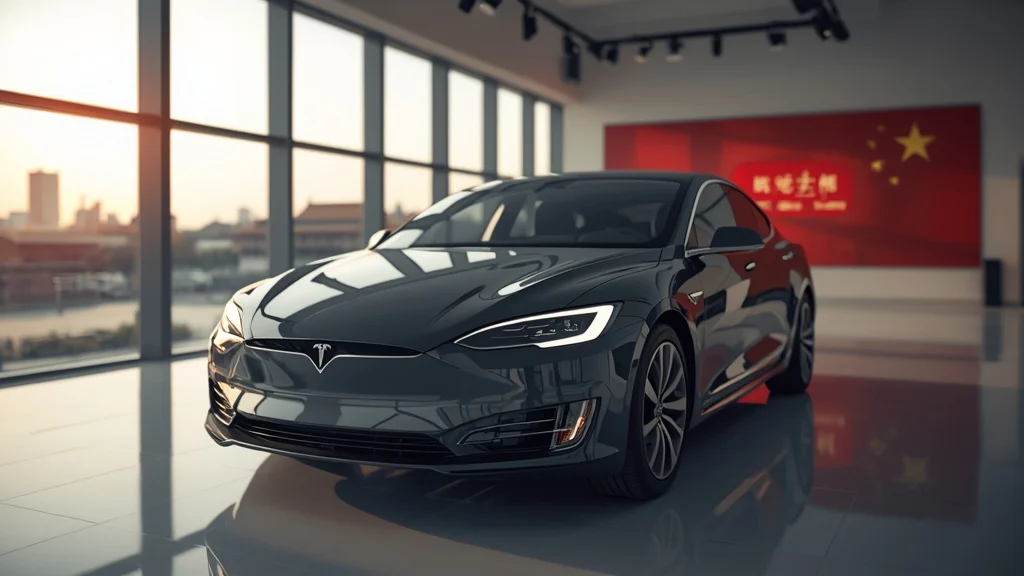
China prohibits selling cars for less than total production cost to end the relentless auto price war. Find out what this means for manufacturers and buyers – read on.

Beijing has introduced a sweeping new rule that bars any automobile brand from selling a vehicle for less than its total production cost. The move is part of a forceful effort to halt a multi‑year price war that has rattled the world’s biggest car market.
What the Regulation Covers
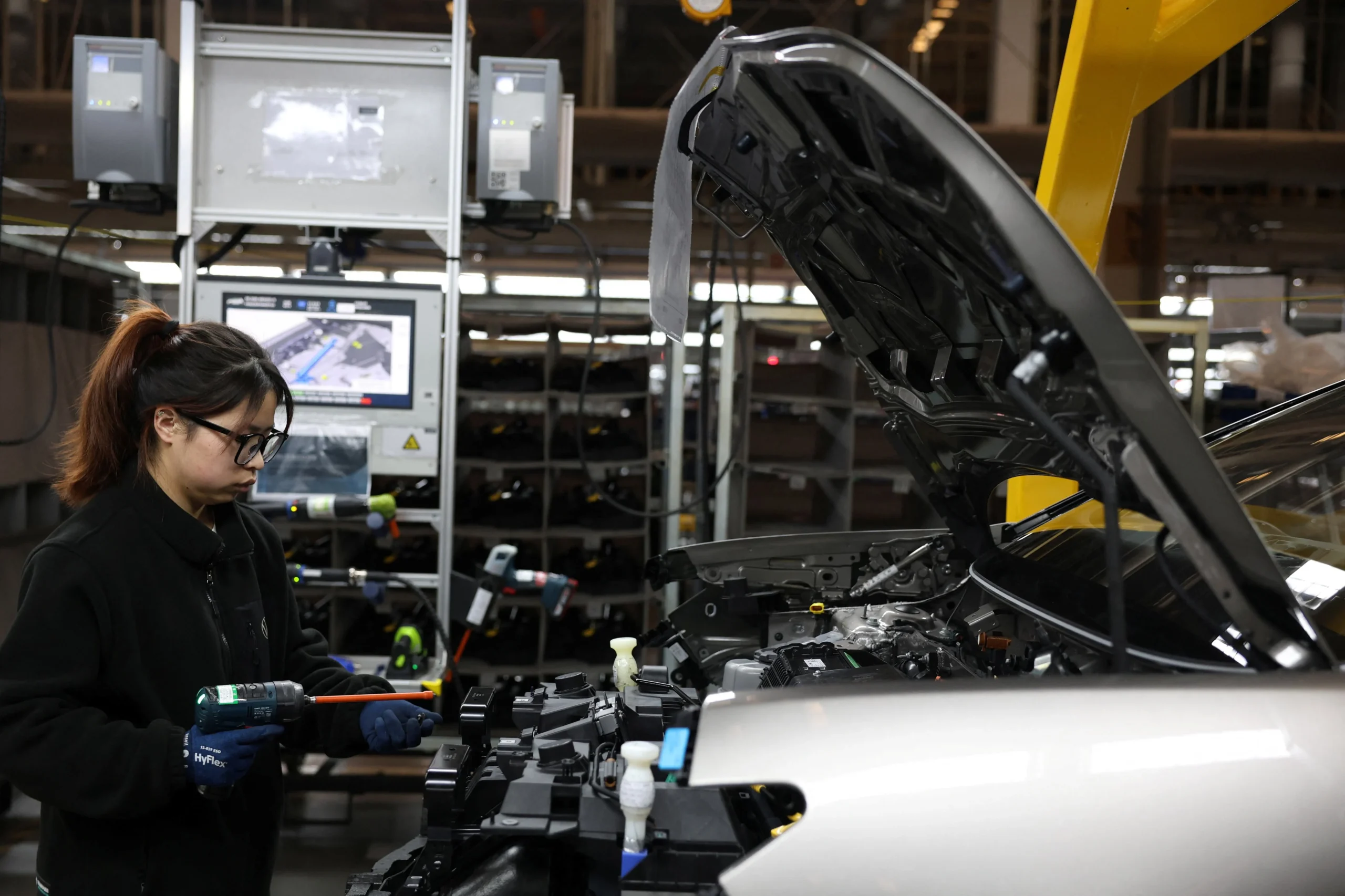
The definition of “total production cost” goes far beyond factory expenses. It includes manufacturing, administrative overhead, financing charges, and all sales‑related costs. By widening the cost base, regulators aim to close loopholes that manufacturers have exploited to push sales while eroding profit margins.
Prohibited Practices
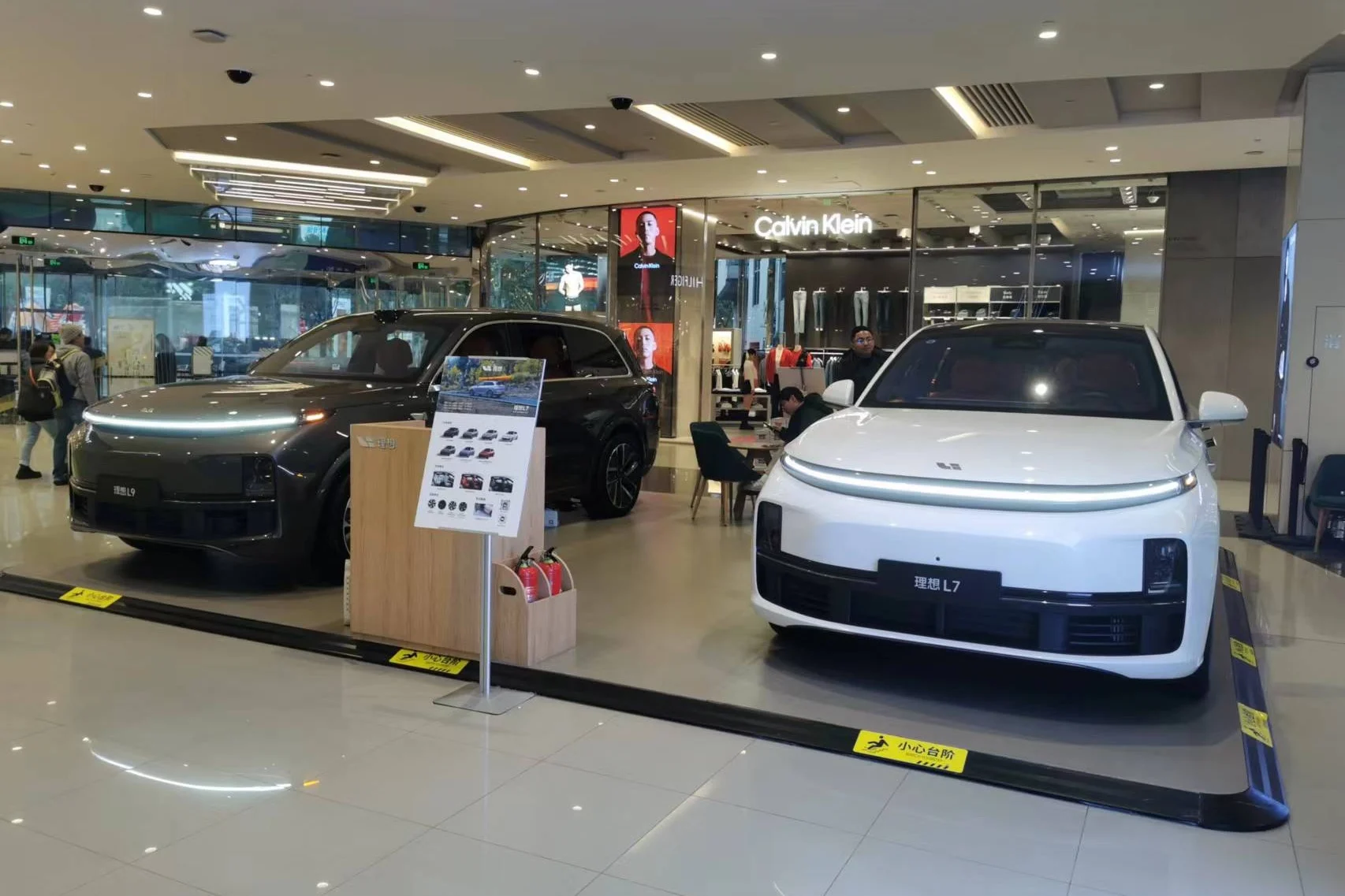
- Selling any new vehicle below the calculated total production cost.
- Engaging in price‑fixing agreements between automakers and component suppliers.
- Pressuring dealers to accept loss‑making discounts through punitive rebate or cash‑back programs.
- Any “punishment‑type” discount schemes that force dealers to sell at a loss.
Industry Impact
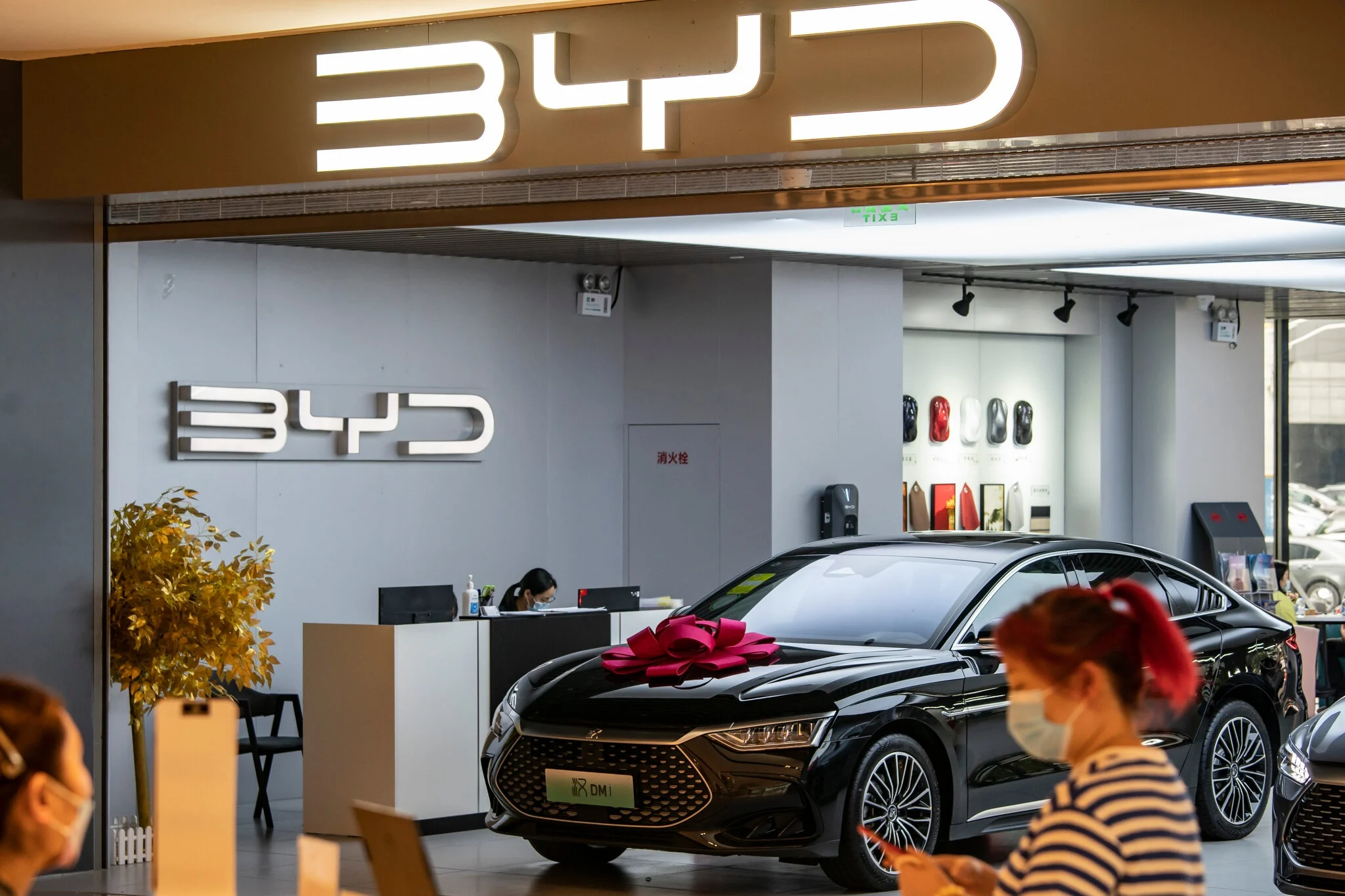
The crackdown reshapes the competitive landscape. Large players such as BYD and Tesla, which already command strong brand premiums, stand to benefit as smaller firms scramble to maintain market share without deep‑discount tactics. Some low‑volume manufacturers face a tightening profit squeeze, forcing them to rethink pricing, product mix, or even exit certain segments.
Supply‑Chain Ripple Effects
The price pressure is not limited to finished‑car sales. Automakers are now demanding lower prices from parts makers and extending payment terms across the supply chain. Regulators are watching these downstream practices closely, signalling that further corrective measures could follow.
Real‑Time Online Marketplace Monitoring
Online car‑buying platforms are being placed under a “real‑time market supervision” framework. They must issue double‑risk alerts to both consumers and authorities whenever a listing appears with an abnormal price, helping to flag potential violations before they spread.
Software and After‑Sales Rules
Automakers must also notify buyers when a free‑trial period for in‑vehicle software is about to end. Features that were not disclosed at the point of sale can no longer be retroactively turned into paid services, curbing hidden revenue streams.
Looking Ahead
Despite repeated warnings and the threat of “strict penalties,” the new year has already seen fresh waves of discounting. Enforcement will likely tighten, and industry players must adapt quickly to a market where cutting prices below cost is no longer an option.