
China’s car sales and exports are projected to slowdown in 2026 as domestic demand weakens and EV subsidies fade. Discover the impact now.
The Chinese automotive sector is poised for a noticeable cool‑down in 2026. According to the China Association of Automobile Manufacturers (CAAM), both domestic sales and overseas shipments are expected to lose steam as consumer confidence wanes, government incentives for electric vehicles taper off, and global uncertainties linger.
Overall Sales Outlook
CAAM projects that total vehicle sales in China will rise by only about 1% this year, a sharp contrast to the 9.4% jump recorded in the previous year. The deceleration signals that the rapid rebound that followed the pandemic is losing momentum.
Electric Vehicles Face Reduced Support
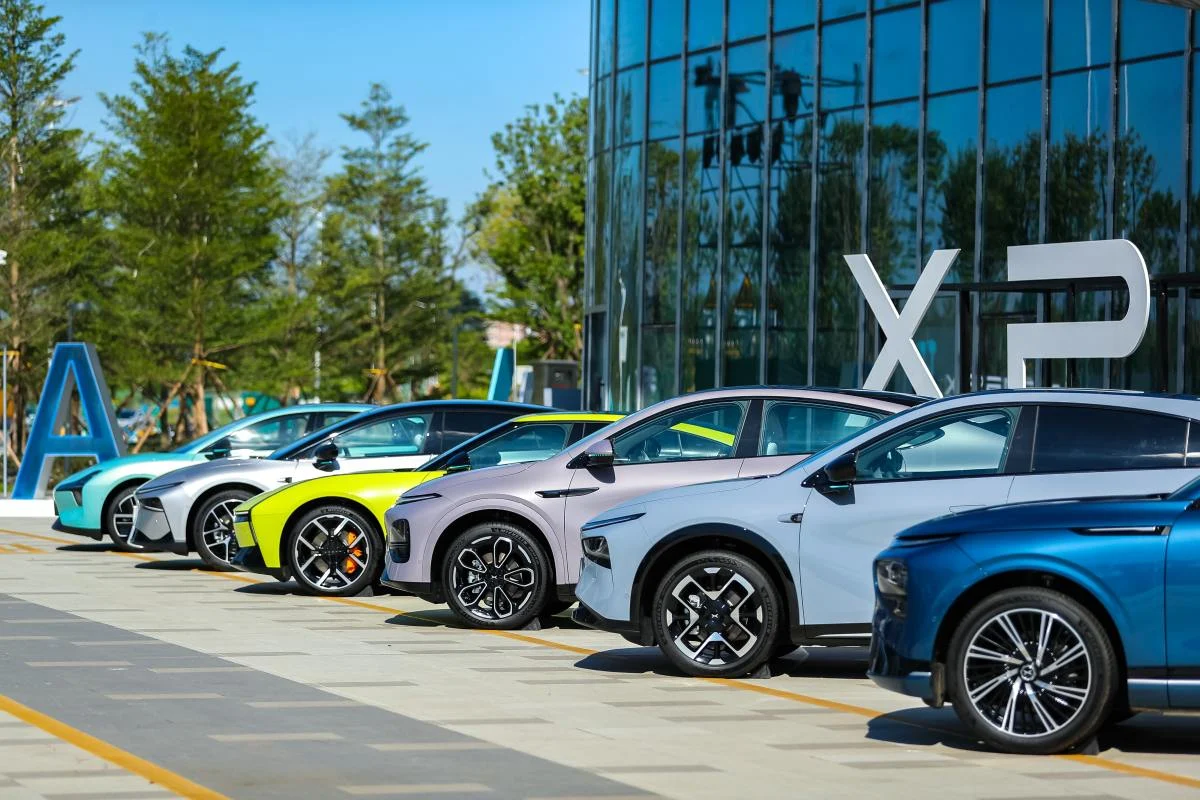
The new‑energy vehicle (NEV) segment—comprising battery‑electric (BEV) and plug‑in hybrid (PHEV) models—is also set to slow. CAAM estimates a 15.2% increase in NEV sales for 2026, far below the 28.2% growth seen in 2025. The dip is largely attributed to a policy shift that will curtail the special preferences and subsidies previously granted to EVs under China’s 15th Five‑Year Plan.
Export Growth Slows
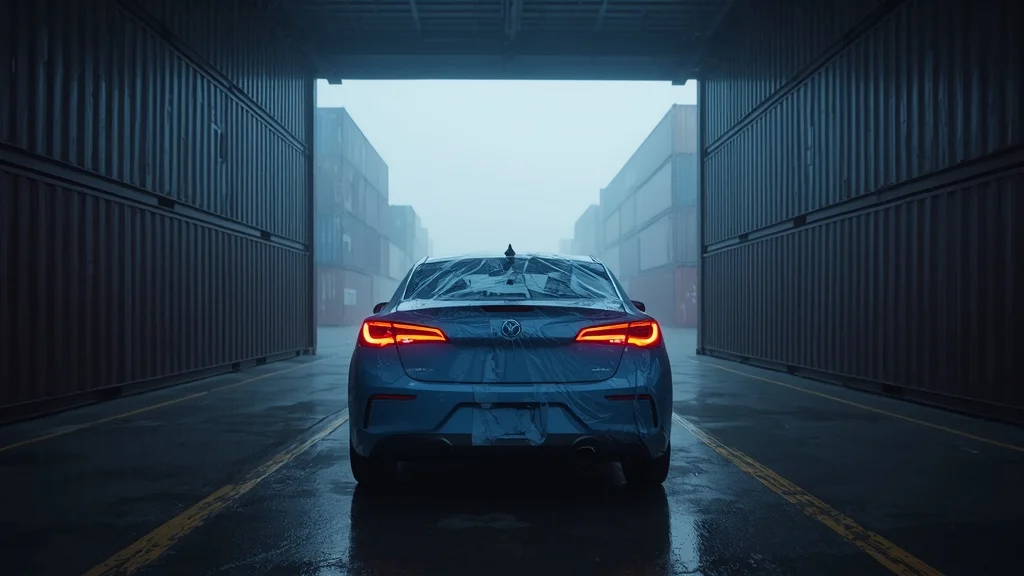
China’s automobile exports are forecast to climb merely 4.3% in 2026, a steep drop from the 21.1% surge that exceeded expectations in 2025. The slowdown reflects mounting geopolitical tensions, trade frictions, and the lingering effects of a tighter global economy.
Policy Shift on EV Incentives
Starting in 2026, the government will transition from selective support to a more level‑playing field, phasing out direct subsidies and preferential treatment for electric cars. Manufacturers will need to rely more on technology, cost efficiency, and genuine competitive advantages rather than policy crutches.
Domestic Market Challenges
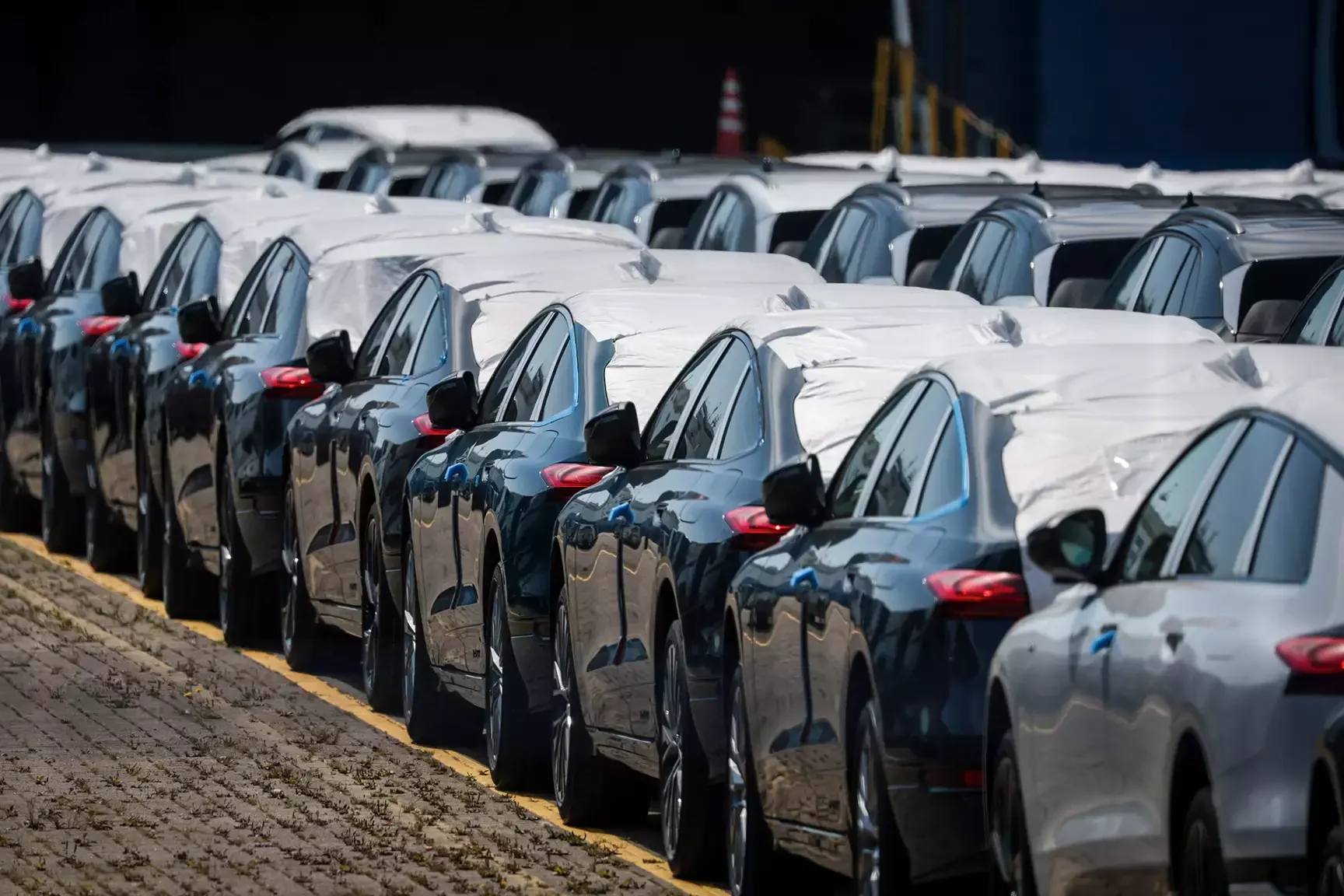
Consumer demand remains fragile. Uncertain income prospects and lingering job‑security worries continue to dampen purchase intent. Additionally, regulators are cracking down on the “0‑km used‑car” loophole—where brand‑new cars are falsely sold as barely used—adding short‑term inventory pressure for dealers and OEMs.
Geopolitical Risks and Production Localization
CAAM warns that ongoing geopolitical instability and global trade tensions will keep pressing down on export volumes. Chinese automakers are already accelerating local‑production strategies abroad to bypass tariffs, a move that could further temper export growth in the near term.
Overall, 2026 looks set to be a year of adjustment for China’s auto industry, as it navigates shifting policy landscapes, consumer sentiment, and an increasingly complex international environment.