
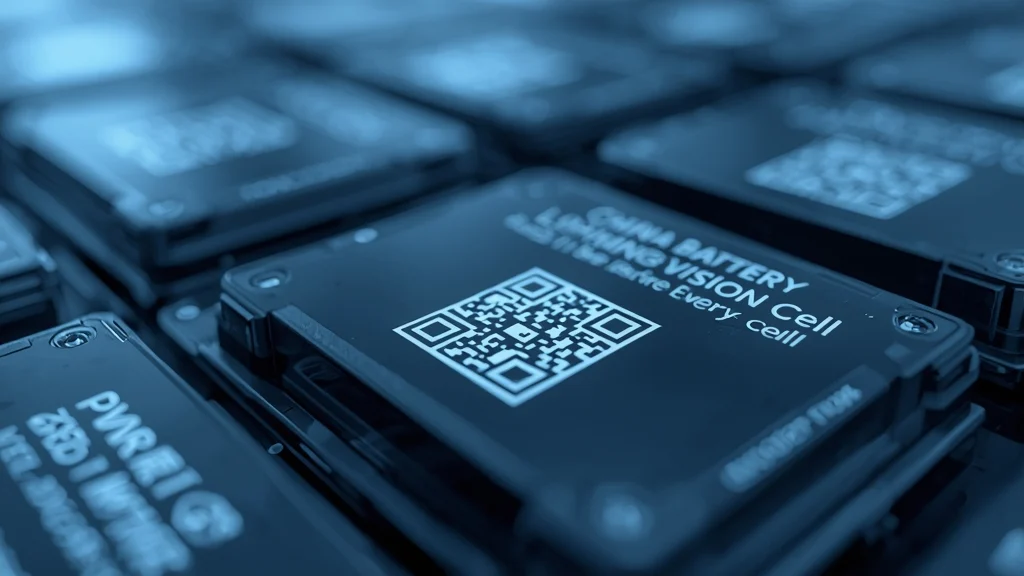
China will assign a unique ID to each electric vehicle battery, tightening lifecycle tracking and safe recycling. Discover the impact today. Read more now.
Beijing is set to roll out a nationwide system that will assign a unique digital identifier to every battery used in new energy vehicles (NEVs). The move, announced by the Ministry of Industry and Information Technology (MIIT), aims to tighten oversight of the entire battery life cycle—from factory floor to scrap yard—while accelerating safe, high‑efficiency recycling.
Why a Battery ID System Is Needed
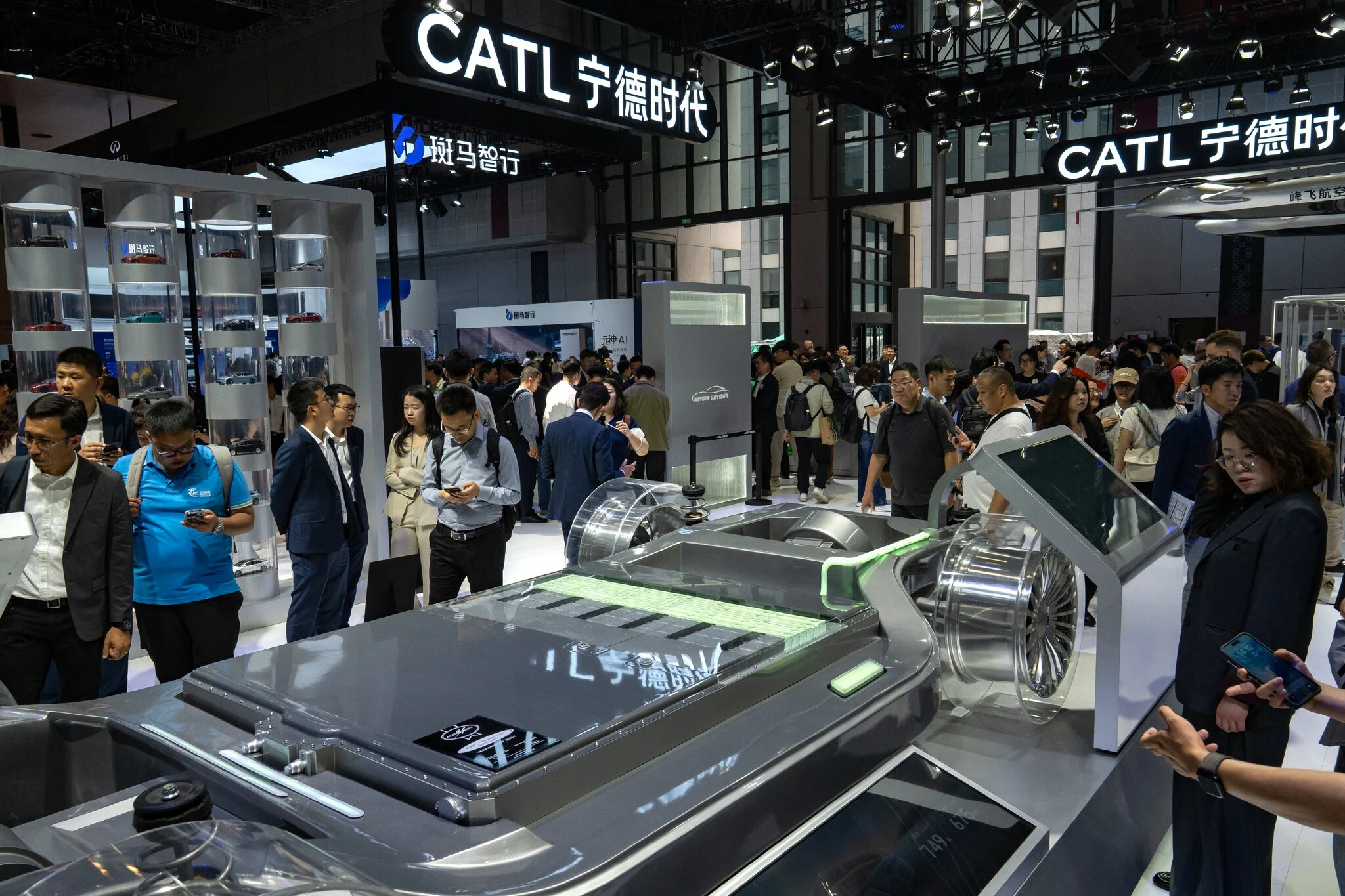
China’s NEV market has exploded in recent years, with sales surging past 10 million units annually. That rapid growth brings a looming challenge: an estimated over 1 million tonnes of used EV batteries could reach the end of their service life each year by 2030. Improper disposal poses serious environmental and safety risks, but a well‑managed recycling chain can recover valuable metals such as lithium, cobalt and nickel.
The Scale of the Challenge
According to MIIT, the country already recycled more than 400,000 tonnes of used NEV batteries in 2025—a 32.9 % rise from the previous year. However, industry leaders say that without standardized tracking, many batteries slip through informal channels, undermining both resource recovery and public safety.
How the Unique ID Works
Each battery will receive a single, machine‑readable code that links to its specific certification number. This identifier enables stakeholders to monitor the battery’s journey across five key phases:
- Manufacturing: Recording the origin, chemistry and capacity specifications.
- Vehicle Integration: Logging the date of installation and the vehicle model.
- Service & Replacement: Tracking any swaps or refurbishing activities.
- End‑of‑Life Collection: Ensuring the battery is handed over to an authorized recycler.
- Recycling & Reuse: Capturing material recovery rates and any secondary‑use applications.
The system is backed by a draft regulation titled “Temporary Measures on Recycling and Comprehensive Utilization of Used NEV Power Batteries,” which MIIT developed together with five other ministries. The document clarifies the recycling responsibilities of battery manufacturers and automakers, and it outlines penalties for non‑compliant handling.
Implications for Manufacturers and Consumers
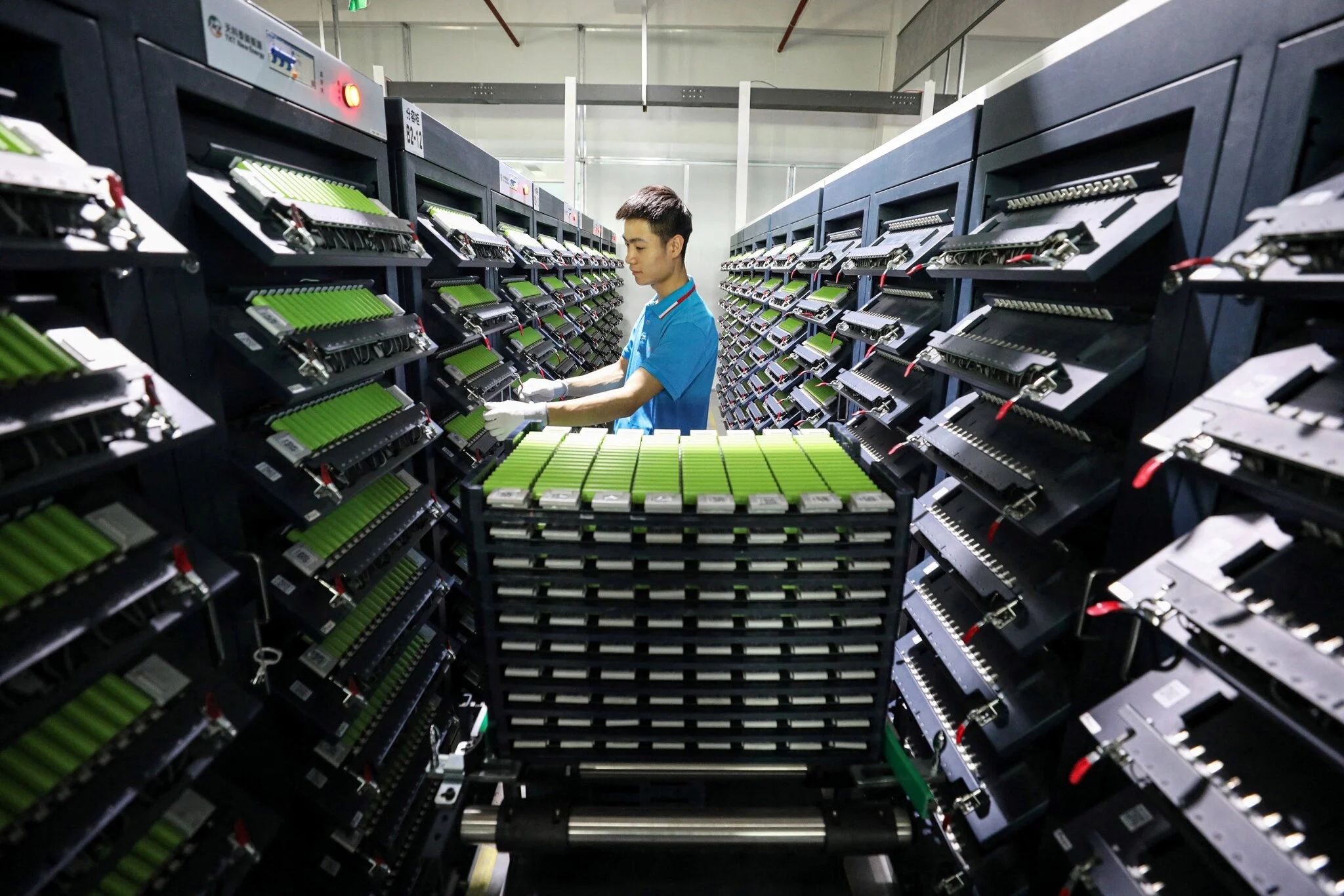
For manufacturers: The ID requirement pushes them to design batteries that are easier to disassemble and recycle, aligning with international best practices. It also opens opportunities for “second‑life” applications, such as stationary energy storage, where tracked batteries can be safely repurposed.
For consumers: Vehicle owners will be asked to ensure that end‑of‑life batteries are delivered only to licensed recyclers. MIIT officials warn against using unofficial disposal channels, which can jeopardize community safety and the environment.
Progress and Outlook
China has already made notable strides. In 2025, more than 400,000 tonnes of used NEV batteries were processed through certified recycling and comprehensive utilization pathways, marking a 32.9 % increase year‑on‑year. Leading firms have achieved metal recovery rates that meet or exceed global benchmarks, positioning China as a potential net exporter of reclaimed lithium, cobalt and nickel.
The battery ID system is expected to become fully operational by late 2024, with gradual rollout across provinces. As the world watches, the initiative could set a new standard for sustainable EV growth, helping to close the loop on battery materials and curb the looming waste mountain.
Stay tuned for updates on how this regulatory shift will reshape the global EV supply chain and what it means for manufacturers, recyclers, and drivers alike.