

China’s new 2026 regulations mandate strict recycling and tracking of EV batteries, boosting recovery rates and sustainability. Learn how it impacts the global market.
China has unveiled a sweeping set of regulations that will reshape the electric‑vehicle (EV) battery landscape beginning April 1, 2026. The measures aim to tighten control over used batteries, improve recovery rates of valuable metals, and create a transparent, national‑level tracking system for every battery from the factory floor to its second life.
Why the New Rules Matter
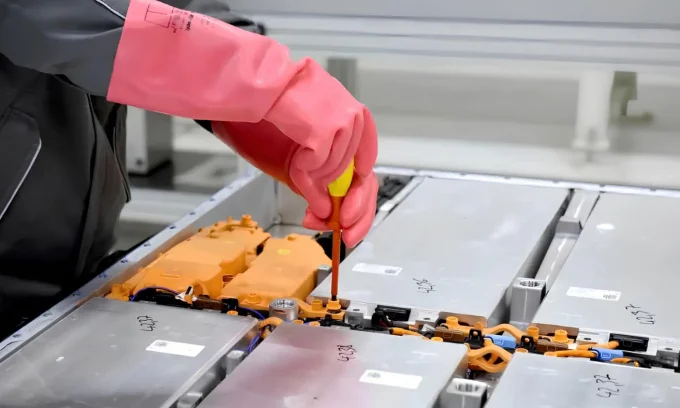
Until now, recycling EV batteries in China faced several hurdles: limited processing infrastructure, fire and explosion risks, and costly dismantling procedures caused by non‑standardized designs. These challenges slowed material recovery and left a growing volume of spent batteries unmanaged.
China’s Leadership in Battery Recycling
As the world’s biggest EV producer, China is poised to set the benchmark. Pilot programmes launched in October 2025 reported impressive results: select firms achieved a 99.6% recovery rate for nickel‑cobalt‑manganese (NCM) and a 96.5% recovery rate for lithium. These figures demonstrate that high‑efficiency recycling is technically and economically viable when backed by clear standards.
Regulatory Framework and Governing Bodies
In 2025, the State Administration for Market Regulation (SAMR) and the Ministry of Industry and Information Technology (MIIT) formed a national technical committee to standardise battery recycling. On 16 January 2026, the committee released new mandatory standards, establishing a unified approach for the entire battery lifecycle.
National Battery Information Platform
MIIT will launch a nationwide information platform that records every step of a battery’s life: production, sales, repairs, replacements, dismantling, recycling, and secondary utilisation. By centralising data, the system prevents the “black‑box” flow of used cells and makes it easier for regulators and companies to monitor compliance.
Key Requirements for Manufacturers and Importers
- All batteries must be marked according to GB/T 34014 standards.
- Manufacturers and importers must submit detailed technical data—including disassembly methods and material breakdown—within six months of product certification.
- Additional battery information (model code, sale date, etc.) must be reported within 20 days of certification receipt.
- Recycling service stations must be set up in each battery‑sales region, with publicly available contact details.
- Dealers are required to accept all used batteries for proper recycling; the battery must remain on the vehicle during dismantling.
Compliance and Authorized Recycling
Only legally authorised entities can conduct comprehensive recycling. Battery‑trading firms and service providers must hand over used cells to these certified recyclers or to dedicated centres established by battery and vehicle manufacturers.
Market Outlook
Research institutes forecast that China will generate about 1 million tonnes of spent EV batteries by 2030. In 2025, the domestic recycling market was valued at CNY 558 billion (≈ US$78 billion). Brunp Recycling, a subsidiary of CATL, leads the sector, recycling roughly 50.4% of China’s EV batteries with a current processing capacity of 120,000 tonnes of waste per year.
Global Implications
China’s regulatory push will likely set a de‑facto global standard, urging other major markets to adopt similar traceability and recovery mandates. For automakers, battery pack designers, and recycling firms worldwide, the new rules present both a challenge and a competitive advantage for those ready to embrace a circular‑economy approach.
Stay informed on how these developments affect supply chains, investment opportunities, and sustainability goals across the international EV industry.