
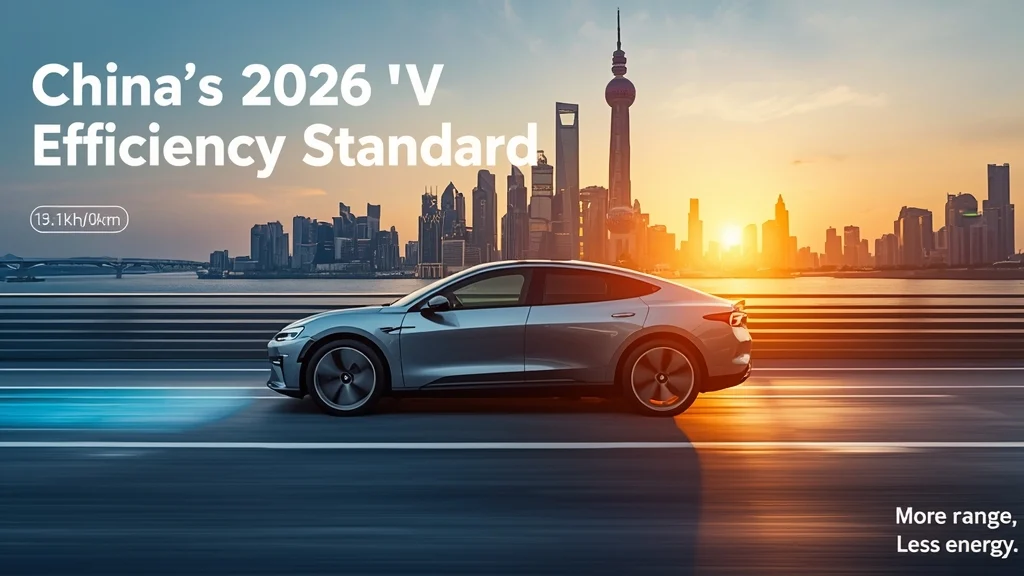
China will enforce the first mandatory EV efficiency standards in 2026, pushing automakers to boost range and cut energy use. Find out the impact – read now!
China’s New EV Efficiency Mandate
Starting January 1, 2026, China will impose the world’s first mandatory efficiency standards for pure‑electric vehicles (EVs). Unlike traditional fuel‑economy rules that focused on internal‑combustion engines, the new regulations measure how many kilowatt‑hours (kWh) a vehicle consumes per 100 kilometres, tailored to its weight class.
How the Standards Work
The limits are weight‑based. For example, a 2‑ton battery‑electric vehicle (BEV) must not exceed 15.1 kWh per 100 km – a figure comparable to the real‑world consumption of a new Tesla Model 3. Overall, the thresholds are about 11 % stricter than current voluntary guidelines, and officials expect the average driving range of Chinese EVs to improve by roughly 7 %.
Shift from Bigger Batteries to Smarter Design
The policy is deliberately designed to stop manufacturers from “gaming” the system by simply fitting larger batteries to extend range. Instead, automakers will need to optimise power‑train efficiency, aerodynamics, thermal management and energy‑management software. The goal is to deliver more kilometres per kWh without inflating vehicle weight.
Industry Response
China’s Ministry of Industry and Information Technology (MIIT), the National Development and Reform Commission (NDRC) and the State Administration for Market Regulation have been fine‑tuning the framework since mid‑2025, also discussing battery‑recycling standards.
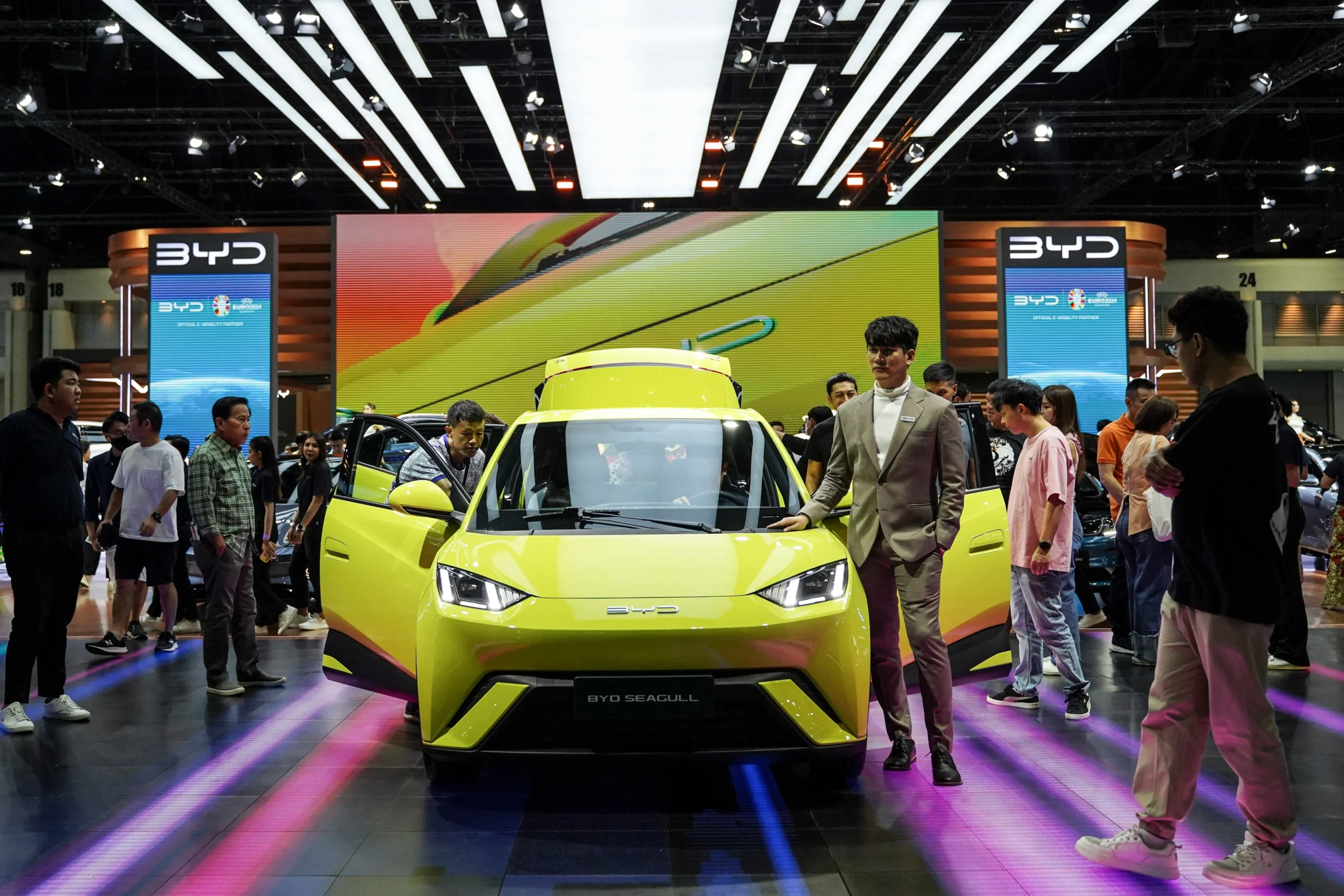
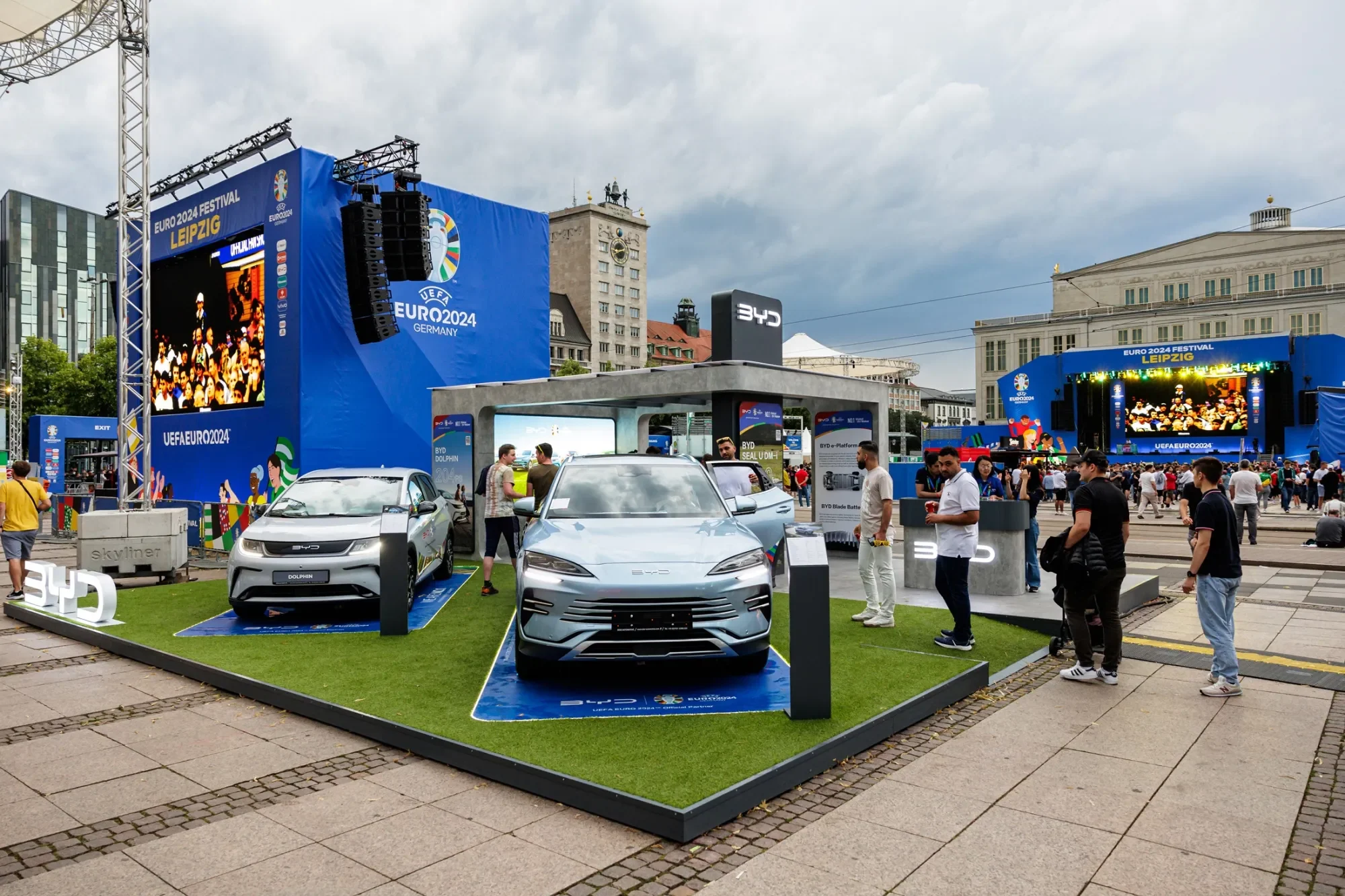
Early tests show that many models from domestic giants BYD and Geely already meet the new limits. Vehicles that fall short may face production delays or be required to undergo engineering upgrades before they can be sold.
Global Implications
By setting a binding efficiency benchmark, China reinforces its leadership in the emerging clean‑mobility market and sends a clear message to international OEMs: future competitiveness will depend on genuine energy efficiency, not just larger battery packs. The move could spark similar regulatory initiatives worldwide, reshaping how EVs are engineered and marketed.
For consumers, the standards promise EVs that travel farther on each charge while keeping costs and environmental impact in check.