
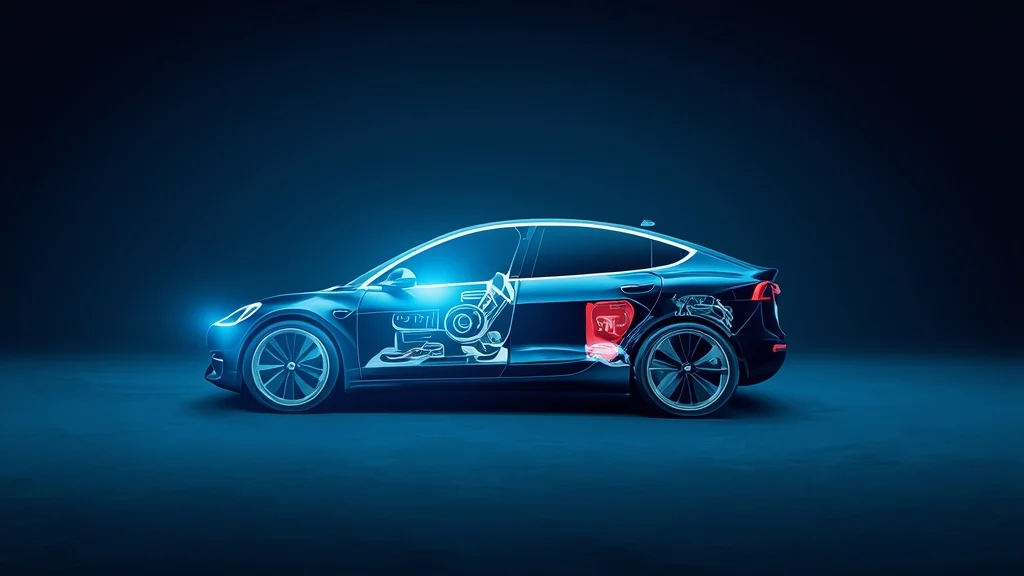
China’s new mandatory EV efficiency standards, effective 2026, force automakers to prioritize energy use over larger batteries. Discover the impact now.
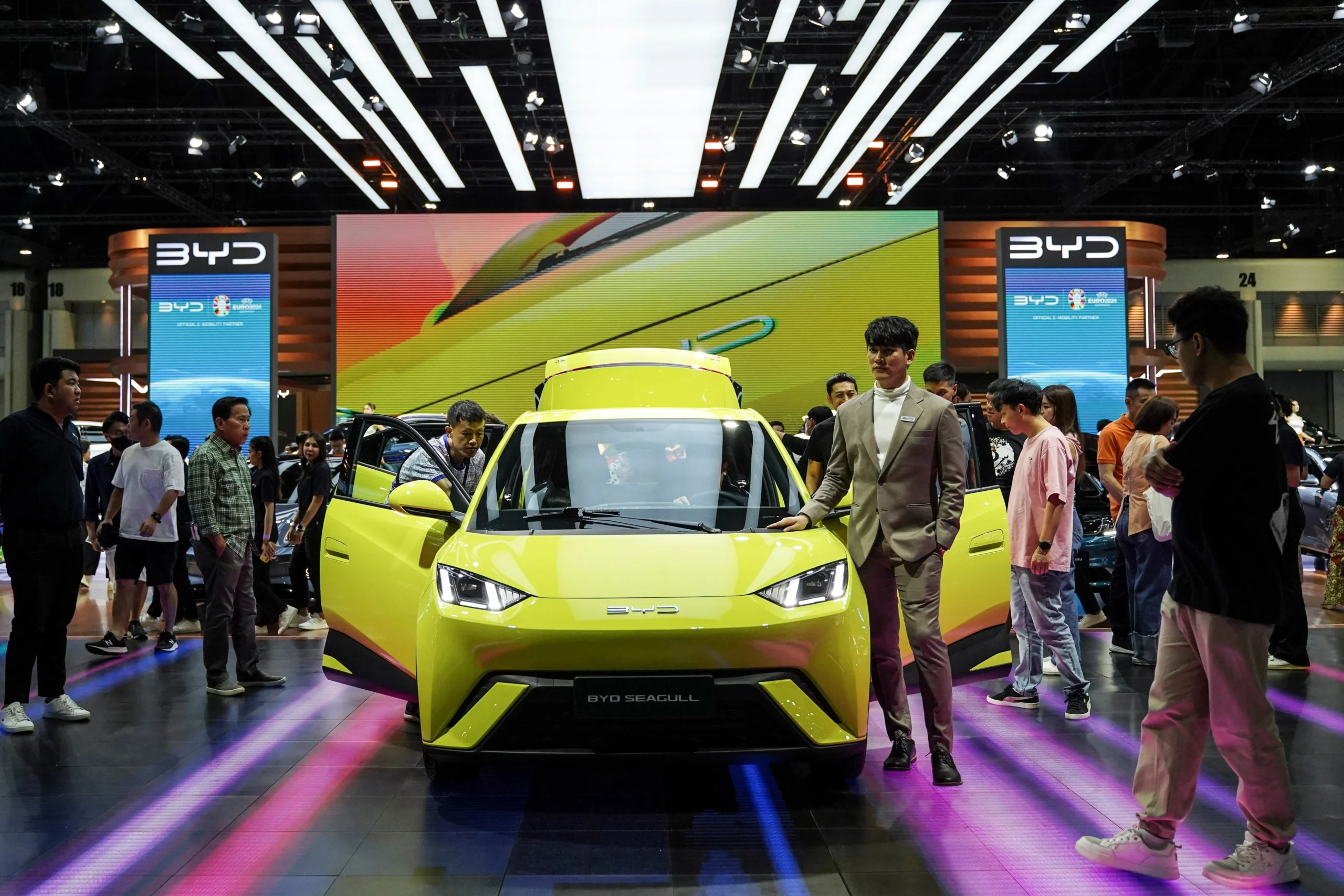
Starting 1 January 2026, China will enforce the world’s first mandatory efficiency standards for pure‑electric vehicles (EVs). The rules shift the industry focus from simply enlarging battery packs to improving overall energy efficiency.
How the New Standards Work
The regulations tie a maximum electricity consumption figure to a vehicle’s weight class. For example, a 2‑ton battery‑electric vehicle (BEV) must not exceed 15.1 kWh per 100 km – a figure comparable to the real‑world consumption of a new Tesla Model 3.
Why It Matters
China’s Ministry of Industry and Information Technology (MIIT), the National Development and Reform Commission (NDRC) and the State Market Regulation Administration say the new limits are about 11 % stricter than current voluntary guidelines. Officials estimate the tighter standards could lift the average range of EVs on Chinese roads by roughly 7 %.
Preventing the ‘Battery Bloat’ Race
The policy is deliberately designed to stop automakers from simply “adding bigger batteries” to meet range expectations. Instead, manufacturers will need to optimise drivetrain efficiency, aerodynamics, energy‑management software and overall vehicle architecture.
Industry Reaction
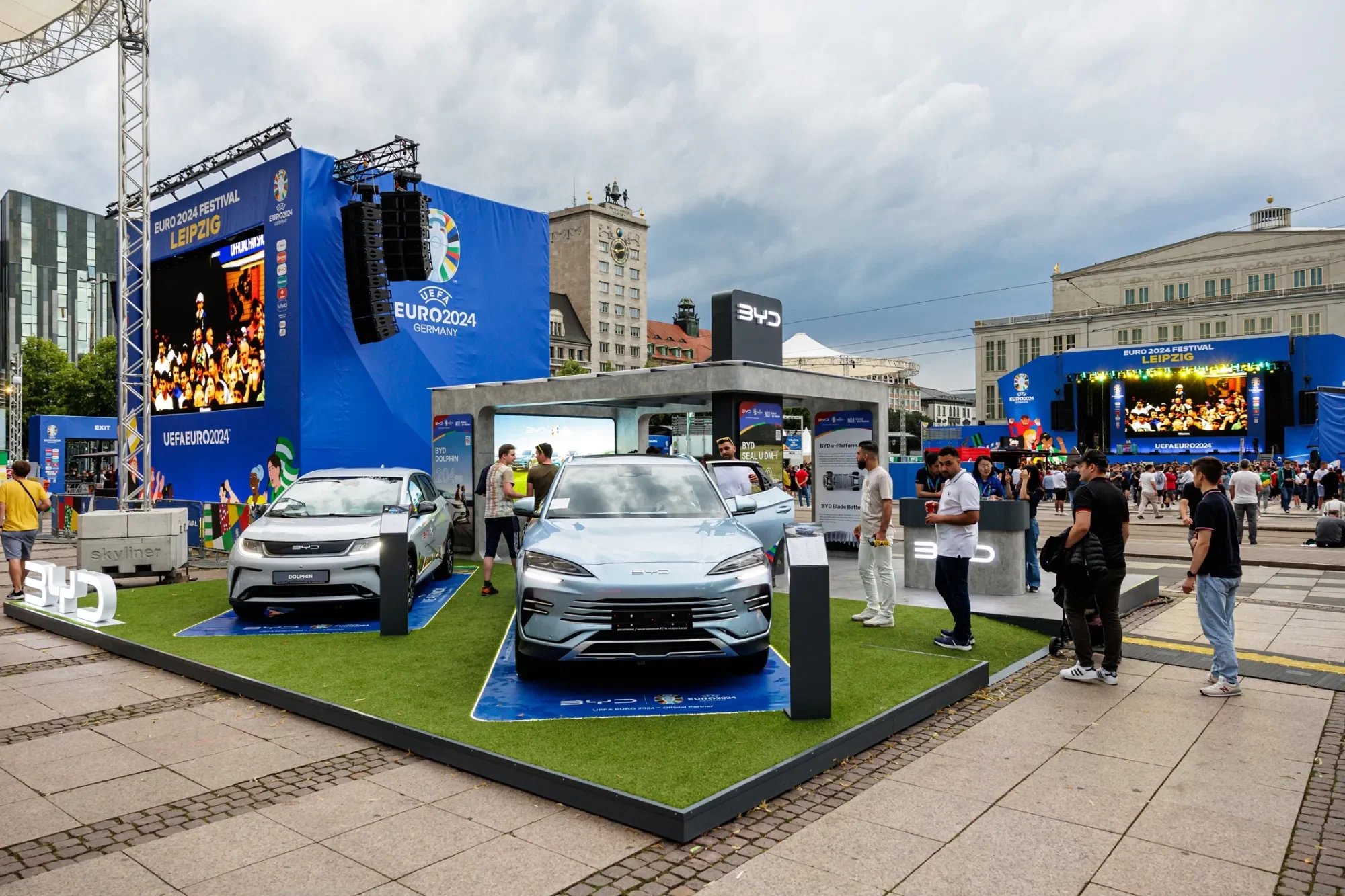
Leading Chinese brands such as BYD and Geely already have models that meet the upcoming thresholds. Other players may face the prospect of retrofitting existing lines or pausing production until their cars comply.
Implementation Timeline
- July 2025: MIIT, NDRC and the market regulator finalised the regulatory framework and began discussions on battery‑recycling standards.
- 1 January 2026: Mandatory compliance date for all new EVs sold in China.
Global Implications
By setting the first compulsory energy‑consumption benchmark for EVs, China not only reinforces its leadership in the new‑energy‑vehicle market but also forces both domestic and international manufacturers to rethink technology roadmaps. The emphasis will move from chasing larger battery capacities to delivering smarter, lighter, and more efficient electric cars.
For the automotive world, the message is clear: efficiency will soon be the decisive factor in winning market share.