
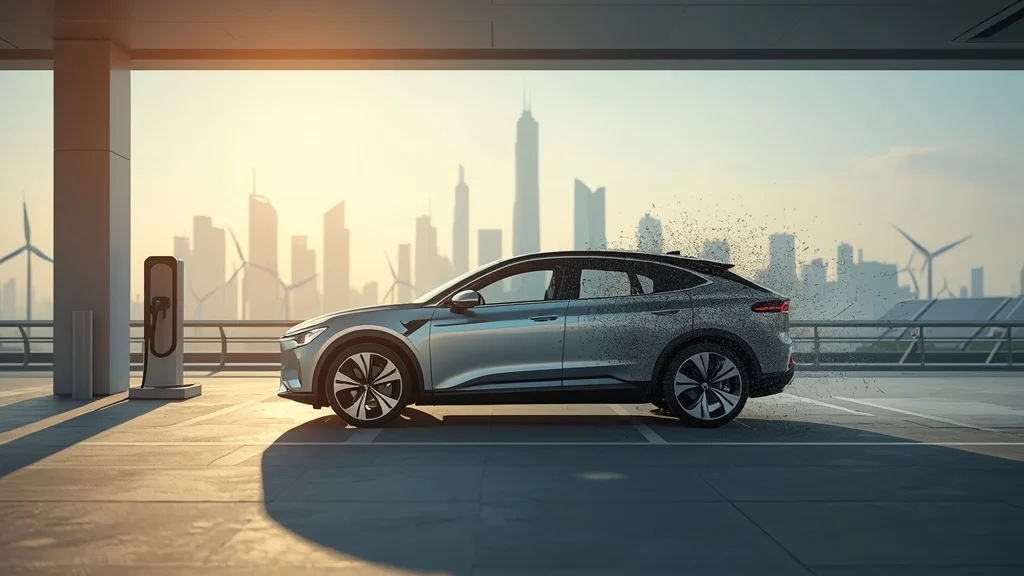
Gasoline vehicle sales in China fell to 10.9 million in 2024, a 39% drop over six years, while EVs now hold 59% market share. Explore the full analysis and its impact on the auto industry.
China’s traditional gasoline‑powered car market has entered a steep downhill trajectory. In 2024, only 10.85 million internal‑combustion engine (ICE) vehicles were sold, down from 17.8 million in 2020 – a 39% decline over six years.
Sharp Decline of ICE Vehicles
The plunge marks the fifth consecutive year of falling ICE sales, reflecting a broader shift in consumer buying habits and the rapid electrification of the world’s largest automotive market. From a peak of 538,000 units in 2020, the best‑selling Nissan Sylphy saw its annual volume slip to 320,000 units last year.
NEVs Take the Lead
While gasoline cars lose ground, new‑energy vehicles (NEVs) are soaring. According to Autohome, NEVs commanded 59% of the Chinese passenger‑car market in December 2025, outpacing ICE models and setting a new industry benchmark.
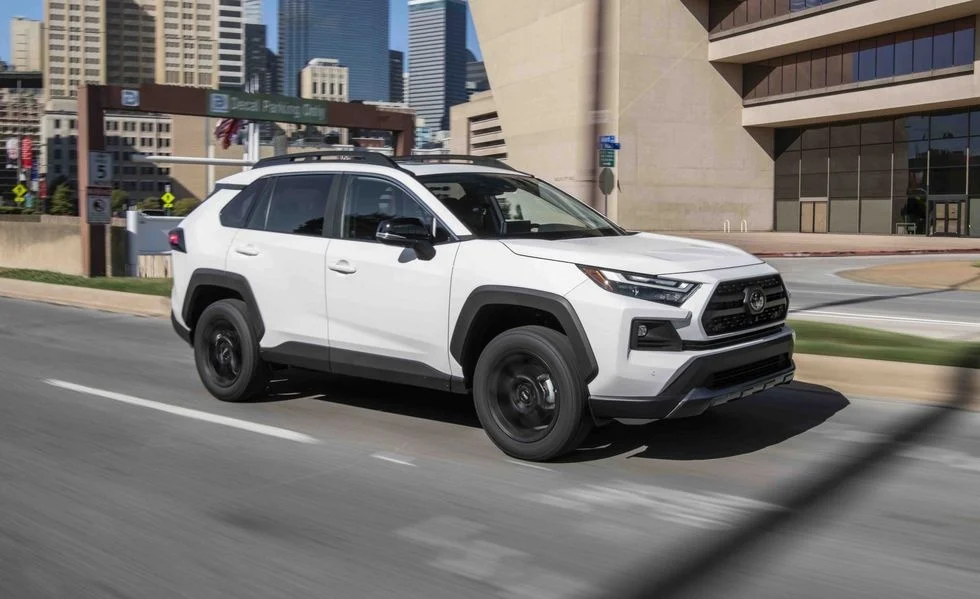
Top‑Selling ICE Models in 2025
Even in a shrinking segment, several models performed strongly:
- Volkswagen Magotan – 202,000 units
- Volkswagen Tiguan L – 200,000 units
- Toyota RAV4 – 200,000 units
- Toyota Camry – 210,000 units
- Volkswagen Passat – 230,000 units
Domestic brands also made the top‑five list, with Geely’s Xingyue L (240,000 units) and Boyue (230,000 units). The Boyue’s sales surged 148% year‑over‑year, underscoring the competitive edge of well‑positioned Chinese manufacturers.
What the Numbers Reveal
The 7‑million‑vehicle gap between 2020 and 2025 signals not just a temporary dip but a structural transformation. Factors driving the change include:
- Stricter emissions regulations and government incentives favoring electric powertrains.
- Expanding charging infrastructure that eases range‑anxiety for urban buyers.
- Growing consumer awareness of sustainability and total‑cost‑of‑ownership benefits.
For global automakers, the data send a clear message: adapt or risk obsolescence in China’s fast‑evolving market. Brands that accelerate their EV rollouts and align with local preferences are poised to capture the next wave of growth.
Stay tuned for deeper insights on how the shift from gasoline to electric is reshaping supply chains, pricing strategies, and the future of mobility worldwide.