
Discover why Chinese-made vehicles are losing value faster than rivals in Europe and Asia, and how this impacts used‑car shoppers. Read more now!
Just a few years ago, the story of “Chinese cars losing value” was mostly shared anecdotally—through personal buying experiences and heated online debates. Today, hard data from Europe confirms that the depreciation of Chinese‑made vehicles is a measurable trend that can affect any used‑car shopper.
Spanish Data Shows a Clear Gap
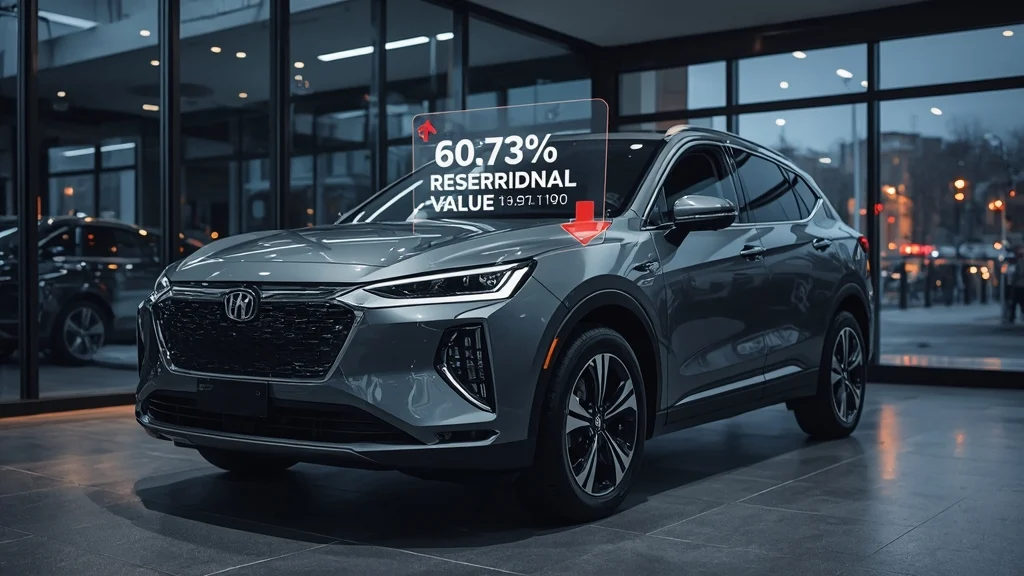
Spain’s leading automotive association, Ganvam, teamed up with vehicle‑valuation firm DAT to publish the latest residual‑value report. After three years of ownership, Chinese‑brand cars retain only 60.73% of their original price. That is lower than non‑Chinese mainstream brands (65.55%) and well below premium marques (68.31%). The figures don’t just reflect popularity; they reveal how buyers price future risk—higher operating costs, shifting new‑car prices, and uncertain technology lifespans.
Why Chinese Cars Depreciate Faster
The report points to product mix as a key factor. In Spain, Chinese manufacturers sell a larger share of pure‑electric (EV) and plug‑in hybrid (PHEV) models compared with many European rivals. Historically, EVs and PHEVs tend to lose value quicker because consumers are wary of battery durability, the speed of tech upgrades, and evolving regulatory standards. Ganvam’s spokesperson even questioned whether today’s Chinese‑car technology represents a “final” state, highlighting the market’s caution.
In short, depreciation is tied to buying a moving technology. Rapid advances and price swings in new cars directly influence how much a used car is worth.
Market Share and Pricing Tactics
Chinese brands now hold about 9.5% of Spain’s car market, almost double the European average, led by names such as MG, BYD, Omoda, Jaecoo, Ebro and Leapmotor. With rapid market‑share gains, manufacturers rely heavily on aggressive pricing to broaden their customer base. Large discounts on new models or the launch of competitively priced upgrades immediately pull down the “anchor” price for used cars, accelerating their depreciation.
Furthermore, EU tariffs on Chinese‑made EVs have prompted many brands to shift their product line‑up toward plug‑in hybrids and gasoline models that avoid the extra duty. While this tactic mitigates short‑term tax pressure, the frequent product‑mix changes add another layer of uncertainty for used‑car buyers, further tempering resale values.
Vietnam Mirrors the Spanish Pattern
In Vietnam, steep price cuts on certain Chinese models are no surprise. The MG HS, for example, saw dealer prices drop by up to VND 200 million, leaving an on‑road price around VND 529–589 million—below comparable A‑segment SUVs such as the Kia Sonet and edging into the price bracket of C‑segment CUVs like the Hyundai Tucson and Mazda CX‑5.
The common denominator in both markets is a pricing strategy that repeatedly lowers the “new‑car anchor,” prompting used‑car owners to demand larger discounts to compensate for perceived future price drops.
Depreciation as a Trust Thermometer
Depreciation isn’t a direct measure of build quality, but it acts as a market thermometer for confidence. Heavier discounts on Chinese‑brand cars signal lingering consumer doubts—whether about battery lifespan, software updates, or overall durability.
Other markets show similar caution. In the UK, owner‑satisfaction surveys often rank MG lower than its rivals. A large BYD recall scheduled for 2025 further fuels apprehension, nudging used‑car buyers to price in an additional risk premium.
What Buyers Should Keep in Mind
When evaluating a used Chinese vehicle, consider three key factors:
- Technology lifecycle: How soon might battery or software upgrades render the current model outdated?
- Pricing volatility: Are manufacturers likely to cut new‑car prices again in the next 12 months?
- Brand support: What is the warranty coverage and service network like in your region?
Understanding these elements helps you gauge whether a discount reflects a genuine bargain or simply the market’s way of compensating for future uncertainty.
Bottom Line
Chinese‑made cars are experiencing sharper depreciation across multiple continents, driven by a mix of aggressive pricing, a high proportion of EV/PHEV models, and lingering consumer concerns about technology longevity. For buyers, the takeaway is to dig deeper than the headline price and assess the full risk profile before committing to a used vehicle.