
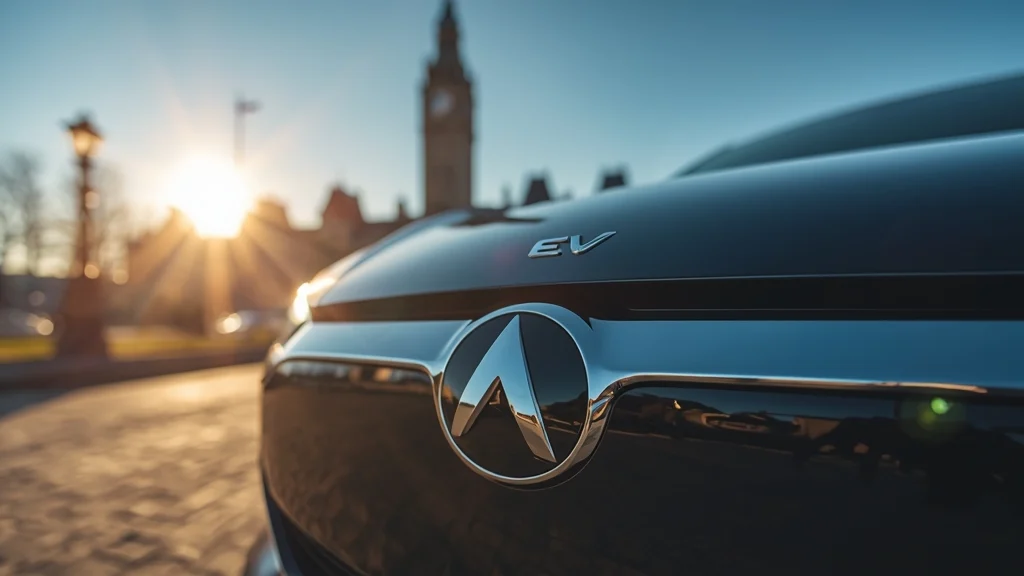
Canada cuts tariffs on Chinese EVs, sparking debate over lower prices, job security and cyber‑security risks. Learn the pros and cons now.
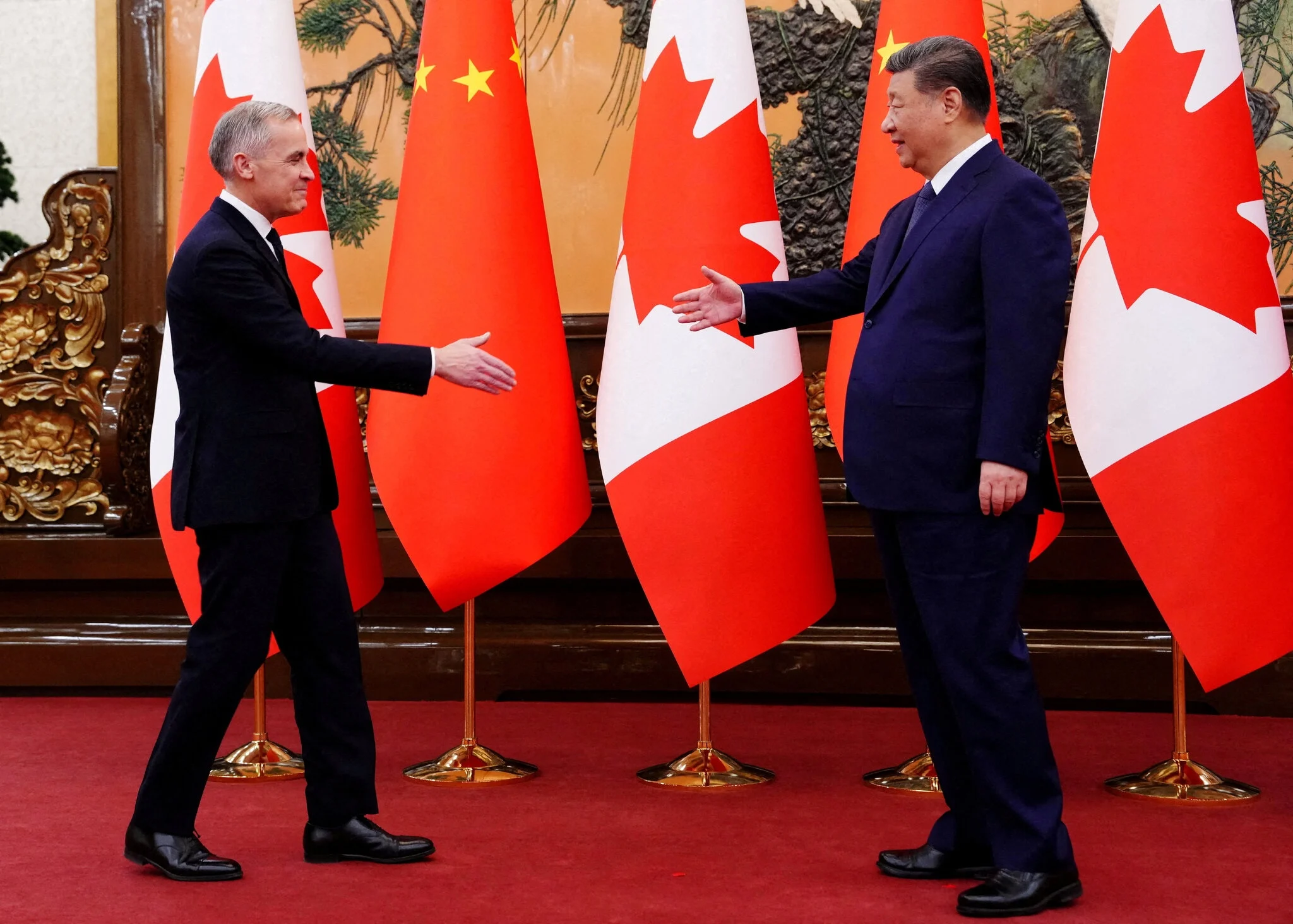
On January 16, Canadian Prime Minister Mark Carney announced a landmark deal with Beijing that will allow up to 49,000 Chinese‑made electric vehicles (EVs) to be imported each year. The import duty on these cars will be slashed from a staggering 106.1% to just 6.1%, a move that could reshape the North‑American auto market.
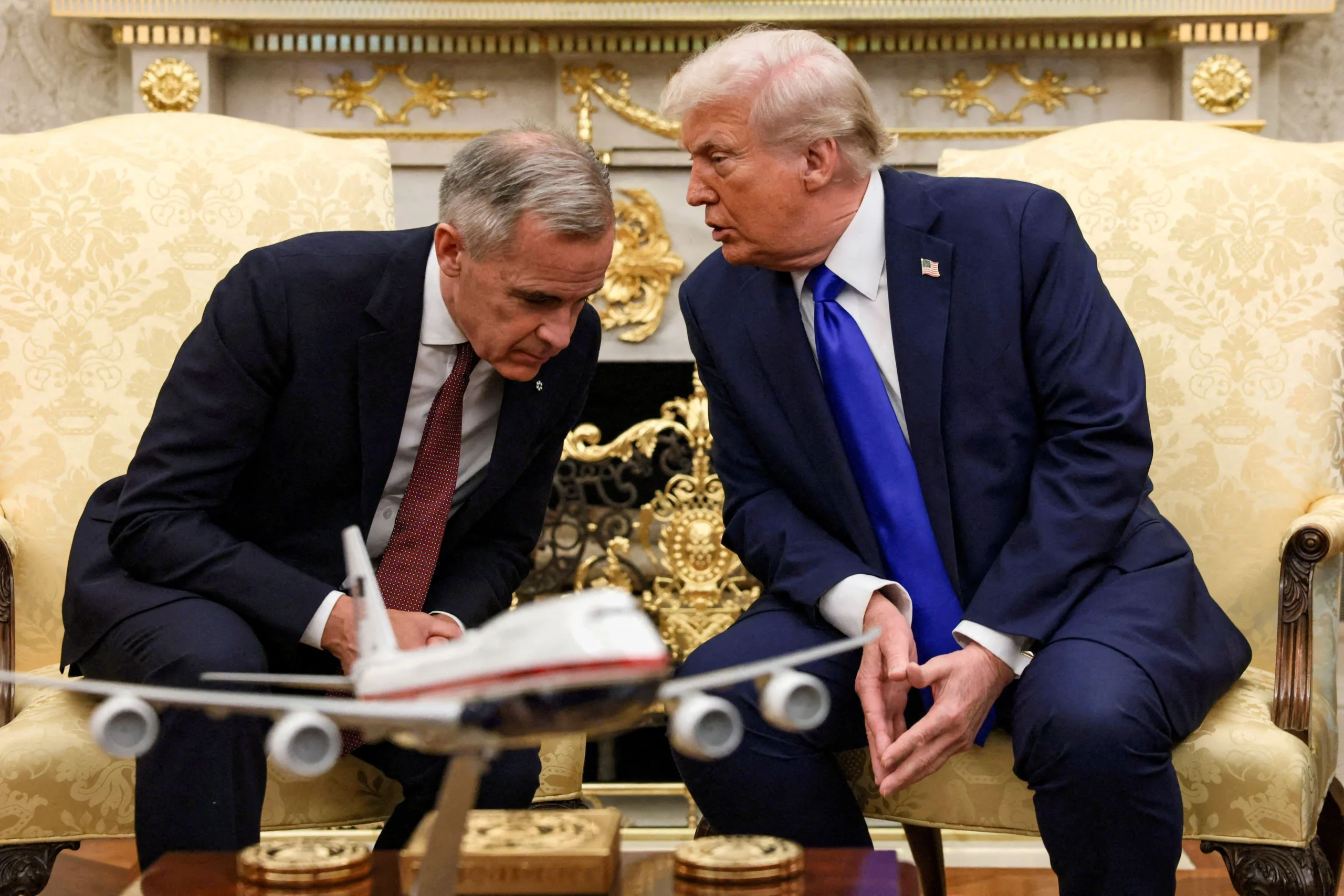
Policy Overview
The agreement is part of a broader trade package that also sees Canada lower tariffs on Canadian canola and other agricultural products, easing the current 84% retaliatory duties imposed by China. While the government frames the EV tariff cut as a consumer‑friendly price‑reduction measure, industry leaders are sounding the alarm.

Potential Benefits for Consumers
- Lower purchase prices: With duties reduced to 6.1%, Chinese EVs could be priced well below existing imports, expanding the affordable‑electric segment.
- Greater model variety: Canadian buyers will gain access to a wider range of battery‑electric vehicles, a segment that has been limited in choice.
- Environmental gains: More affordable EVs could accelerate the shift away from gasoline cars, supporting Canada’s climate targets.
Industry Concerns
Automakers and parts suppliers are wary of the long‑term impact on the domestic supply chain. Brian Kingston, CEO of the Canadian Vehicle Manufacturers Association (CVMA), said, “We are deeply disappointed. Allowing cheap Chinese EVs into our market threatens jobs, tax revenue, and the strategic relationship we have with the United States.”

Unifor, the union representing thousands of auto‑industry workers, called the deal “self‑inflicted damage” and warned it could undermine ongoing negotiations with the United States on auto tariffs.

Cybersecurity and National Security
Flavio Volpe, President of the Automotive Parts Manufacturers Association (APMA), flagged serious cyber‑risk concerns. “Any safety certification for Chinese EVs must now include stringent cybersecurity filters,” he said, referencing worries over hardware and software vulnerabilities that regulators worldwide are grappling with.

Canada has already taken steps against perceived Chinese threats—banning Huawei from 5G networks and prohibiting TikTok on government devices—so the EV move is viewed through a similar security lens.

Political Reactions
Ontario Premier Doug Ford slammed the agreement on social media, calling it “a wholesale opening for cheap Chinese cars that will hurt Canadian workers” and warning that reduced EV duties could erode Canada’s ability to export to the U.S., the world’s largest auto market.
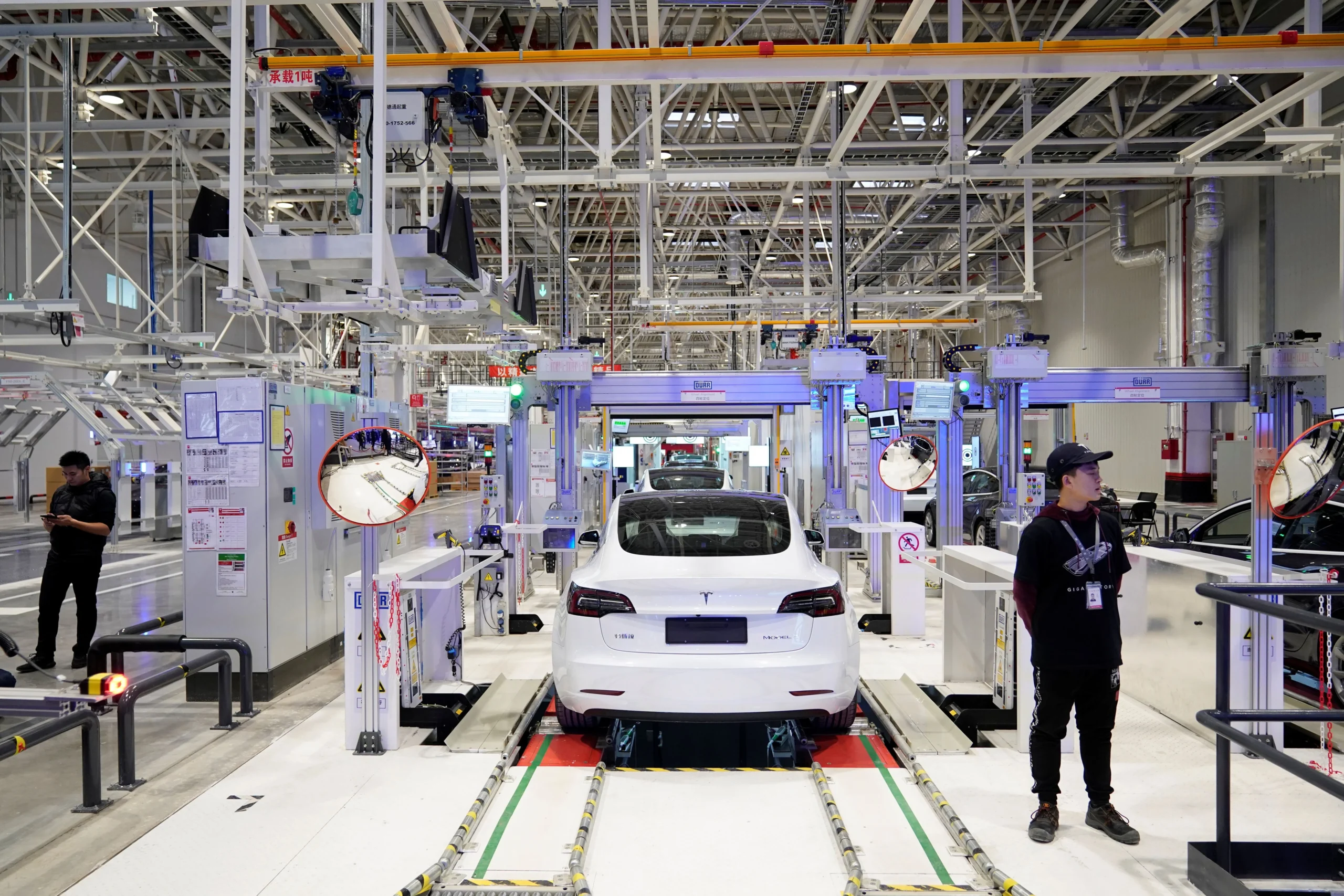
Even former U.S. President Donald Trump expressed a surprisingly supportive view, stating, “It’s fine. Signing a trade deal is good. If it can be done with China, it should be.”
Future Outlook
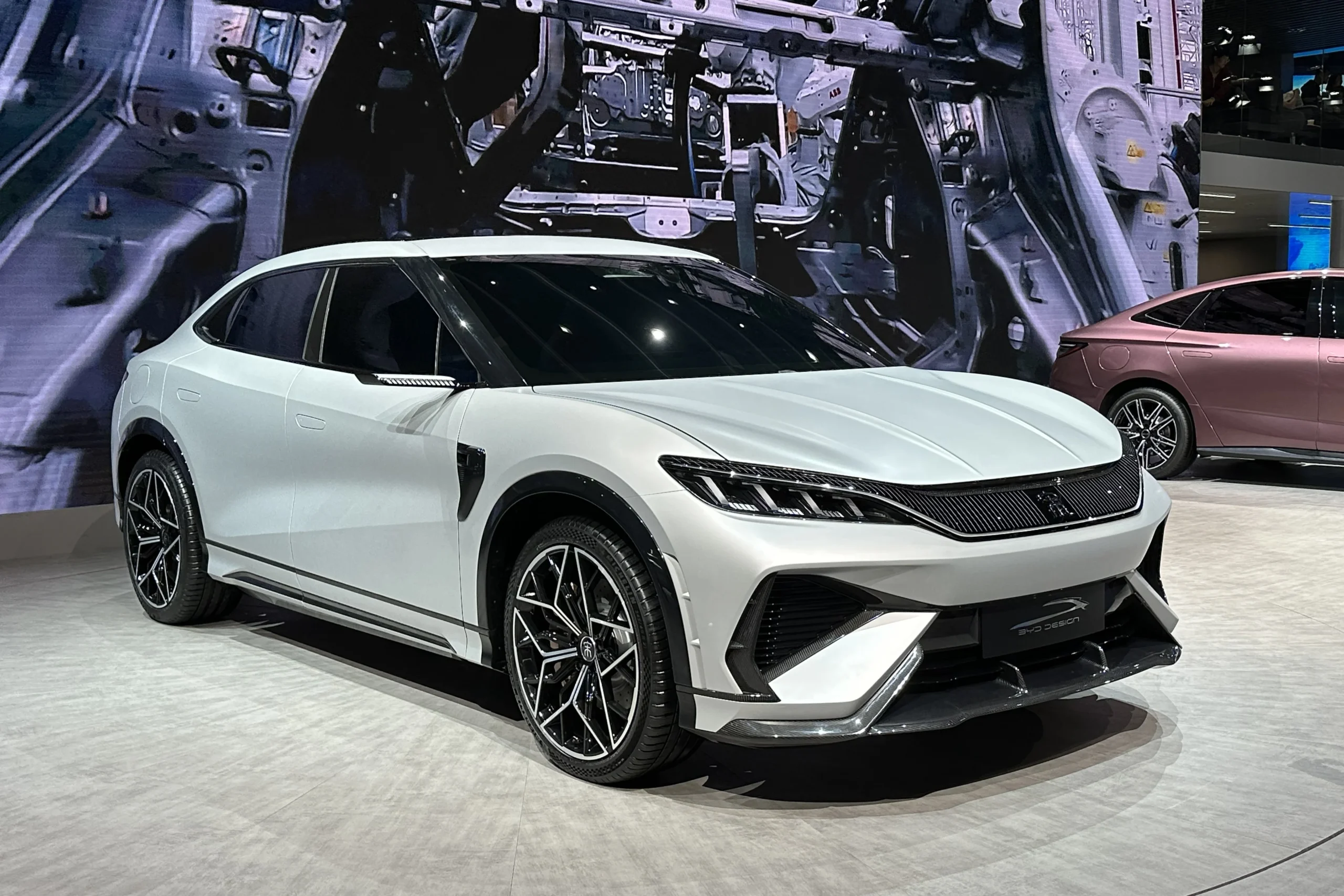
Analysts suggest the 50,000‑vehicle threshold could act as a trigger for Chinese manufacturers to consider local assembly in Canada. Sam Fiorani of AutoForecast Solutions notes, “If the import quota proves successful, it’s only a matter of time before we see Chinese EVs built on Canadian soil, creating a new competitive dynamic.”
In the short term, brands like Polestar and Tesla—already importing China‑built models—stand to benefit most. However, broader market effects will depend on how quickly domestic manufacturers can adapt, and whether additional safeguards are put in place.
For Canadian consumers, the promise of lower‑priced EVs is clear. For the auto industry, the stakes involve jobs, supply chains, and national security—all of which will shape the next chapter of Canada’s automotive future.