
Chinese electric car prices rise in Thailand, damping the once‑hot demand. Learn how the shift impacts buyers and what to watch next – read on.
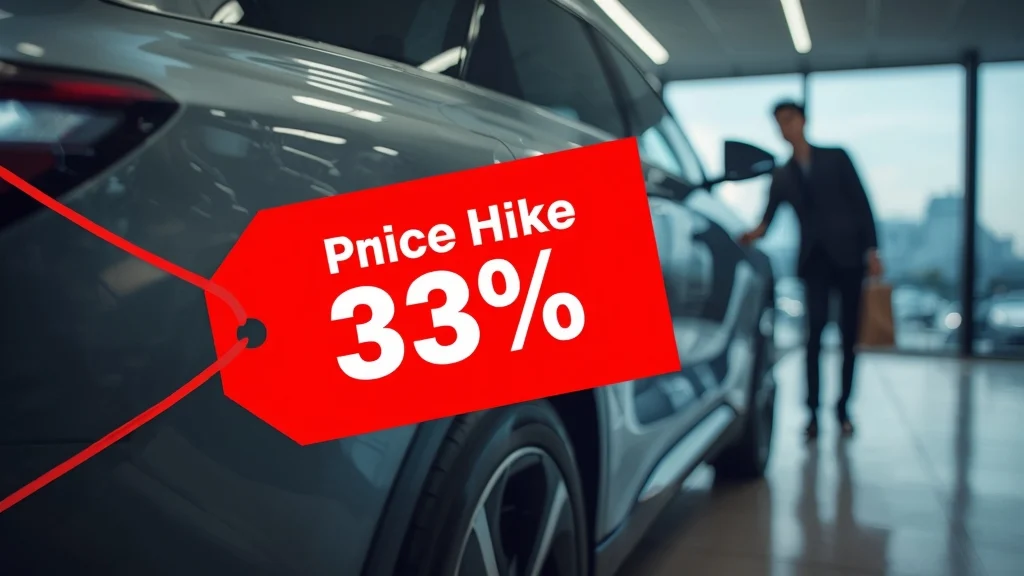
At the start of 2026 Thailand’s electric‑vehicle (EV) market displayed a textbook reaction: a handful of Chinese models nudged their prices upward and dealer‑floor demand cooled almost instantly.
Dealers feel the chill
According to Nikkei Asia, a BYD showroom on the outskirts of Bangkok saw a sharp drop in new‑car enquiries the week the price list was revised. A sales representative admitted that the higher price tags made many prospective buyers pause, with several walking away after the first look.
Why Thailand was a hotbed
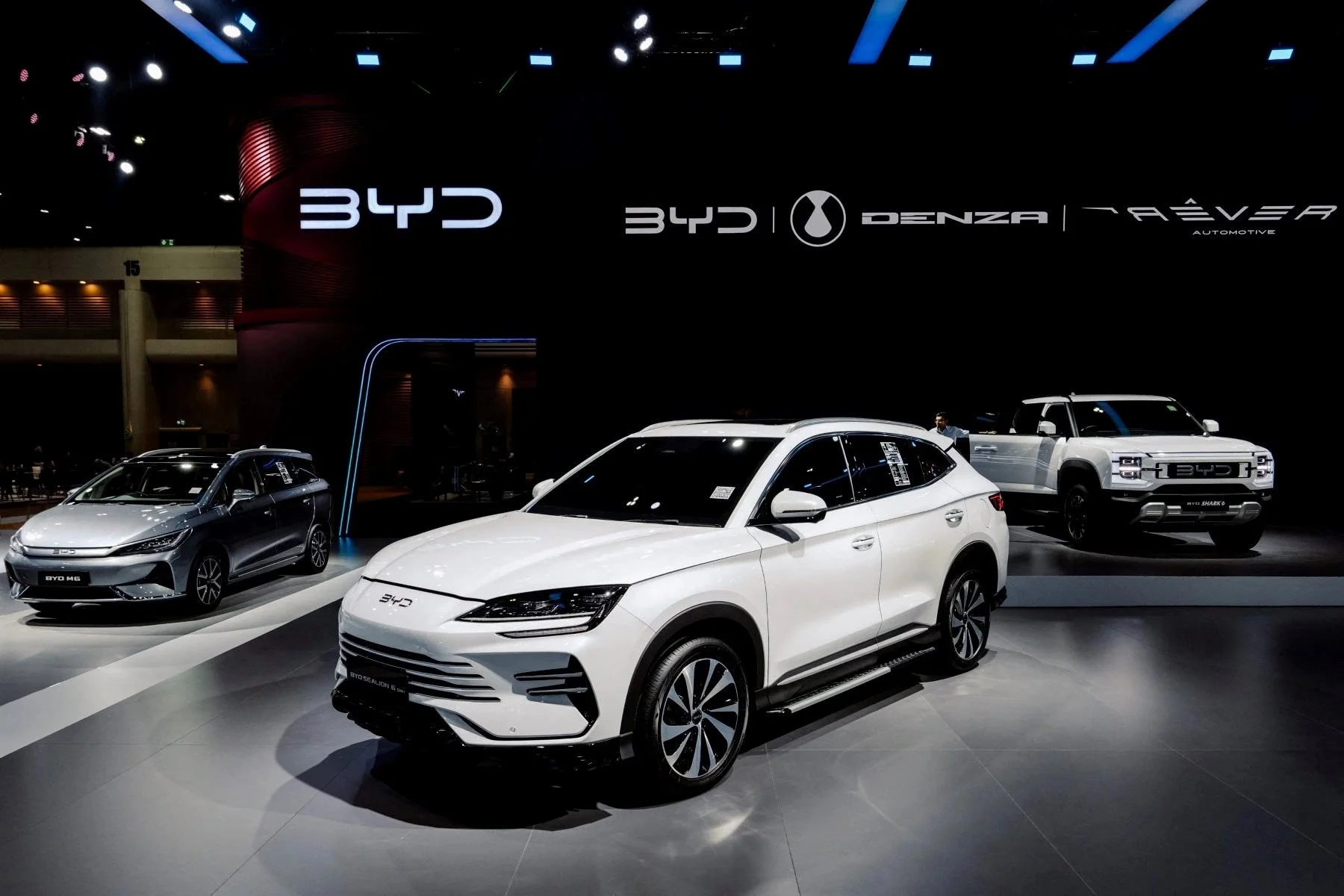
For the past two years the country acted as a launchpad for Chinese EVs in Southeast Asia. Generous government subsidies, deep‑discount promotions and a race among manufacturers to undercut each other created a perception that Chinese electric cars were unbeatable on price.
Incentives are being re‑scaled
The Thai government has now trimmed its support. The new scheme caps the cash incentive at 50,000 baht and applies only to vehicles assembled locally. Imported models, which previously enjoyed a 2% special consumption tax, now face a 10% rate. This policy shift explains why the “shock‑price” era, driven largely by subsidies, is fading.
Price adjustments in numbers
- BYD Dolphin (standard trim) – now listed at 599,900 baht (about US$16,200), roughly 33% above its 2025 low‑point.
- BYD Atto 3 – up about 21% from the previous price.
Buyer psychology turns cautious
The Thai market is notoriously price‑sensitive, especially in the mass‑market EV segment. When a dominant brand like BYD begins to raise its list price, a “wait‑and‑see” mindset spreads quickly. The immediate slowdown at the dealer level illustrates how reliant the earlier surge was on low‑price appeal.
After‑sales and parts become the next battleground
Higher prices bring ownership costs into sharper focus. In September 2025 the Thailand Consumer Council recorded more than 300 complaints about EVs, ranging from sluggish warranty service to long waits for replacement parts. The council is now urging manufacturers to guarantee parts availability in the country for at least five years.
Thai PBS World reported that the council has also filed a class‑action lawsuit against Neta Auto, citing repeated warranty‑part delays. These incidents show that once the “price‑only” lure fades, consumers scrutinise service reliability, parts supply chains and repair predictability.
Industry study highlights systemic gaps
A Bangkok Post analysis identified several structural weaknesses in Thailand’s EV ecosystem: unclear after‑sales frameworks, slow warranty processing, prolonged parts lead‑times, and volatile pricing that erodes confidence. When combined with rising list prices, these factors amplify concerns about total cost of ownership.

Takeaways for Vietnam
Vietnam’s emerging EV market can learn a great deal from Thailand’s experience. A vehicle that looks attractive because of a soft price tag can quickly lose its appeal if incentives disappear and the price normalises. At that point, the real purchase decision hinges on less‑publicised elements: local service network depth, domestic parts inventory, warranty transparency, and the ability to resolve issues promptly.
The wave of 300‑plus complaints in Thailand underscores how after‑sales support can become a “hot‑spot” as EV volumes rise. Building a robust, long‑term ownership experience is essential to avoid the trap of a price‑driven market that collapses once subsidies wane.
Conclusion – from price wars to value wars
The recent price hikes signal a maturing Thai EV market that is moving away from pure discount competition. Future success will be measured by who can deliver lower total cost of ownership, reliable service, and lasting consumer trust. For neighbouring markets such as Vietnam, the lesson is clear: focus on the whole ownership journey, not just the sticker price, to ensure that an electric car remains “worth the money” years after the purchase.