
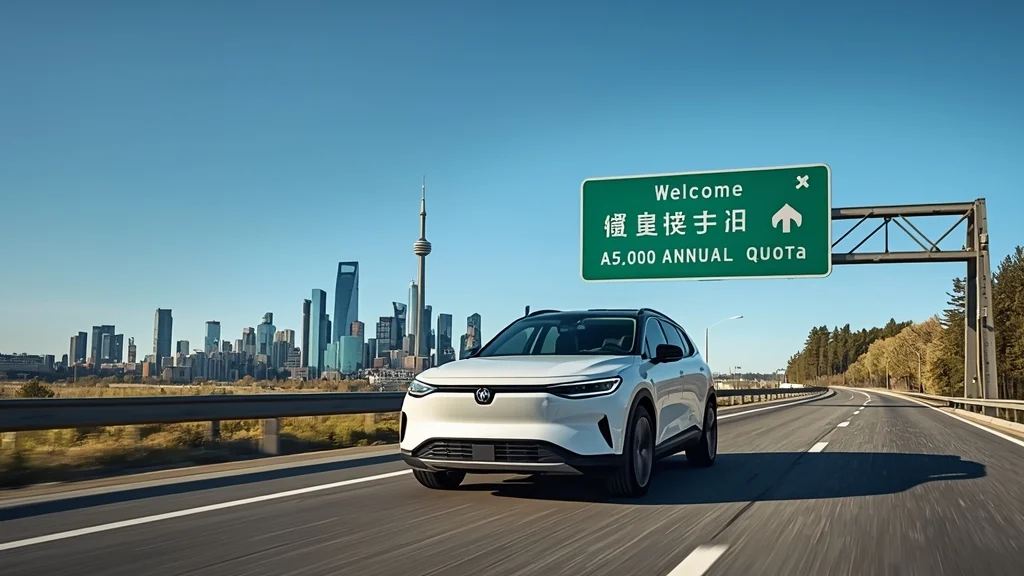
Chinese electric cars are gearing up to enter Canada’s market. Discover the impact, challenges, and opportunities – stay ahead of the curve!
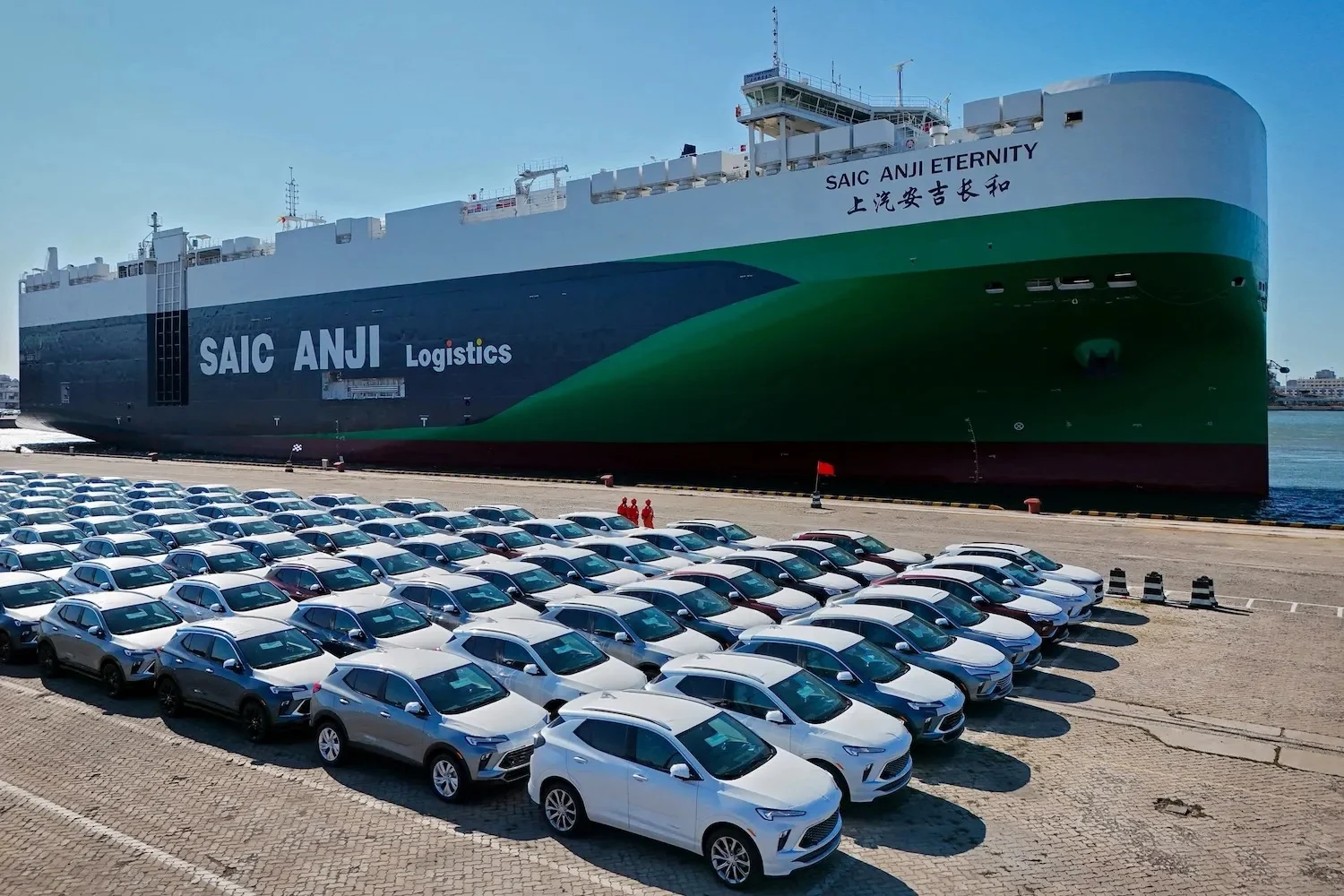
Chinese automakers are rapidly expanding beyond their borders, and Canada appears to be their next big destination. With Australia already witnessing a wave of affordable Chinese electric vehicles (EVs), industry watchers wonder whether Canada will become the next hotspot for these newcomers.
Why Chinese Manufacturers Are Looking West
Domestically, many Chinese car brands—especially the smaller ones—struggle to achieve the scale needed for sustainable profits. While giants like BYD and Geely enjoy solid sales at home, a plethora of lesser‑known makers are eyeing overseas markets as a lifeline. Exporting offers a vital outlet for excess production capacity and a chance to build global brand credibility.
Australia’s Blueprint: A Rapid Rise
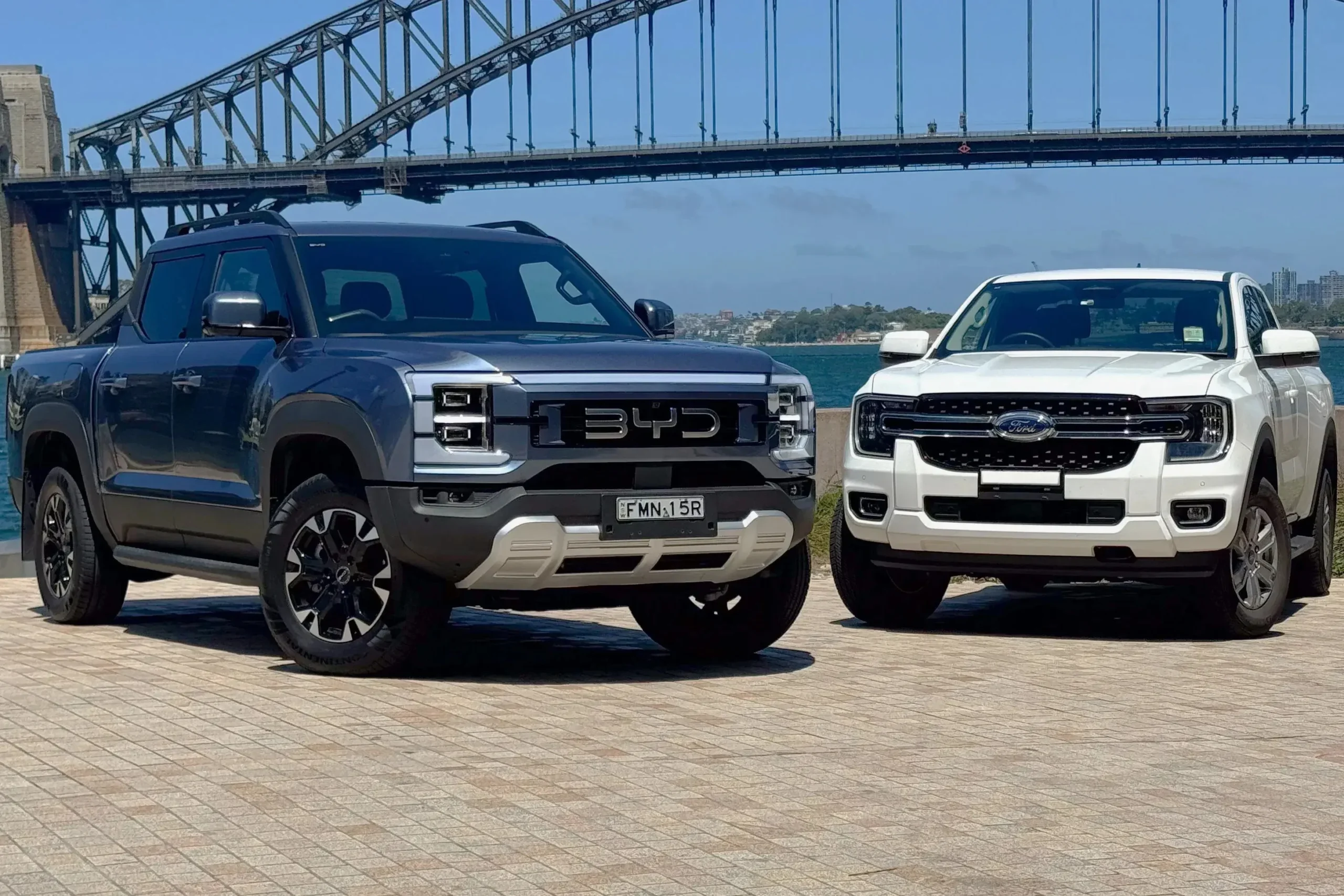
Since 2019, Chinese EVs have captured roughly 17% of Australia’s overall vehicle market, a ten‑fold jump from the pre‑COVID era. More strikingly, by 2025 projections suggest that 77% of all EVs sold in Australia will be of Chinese origin. Brands such as BYD, Great Wall Motors (GWM) and Chery have moved from tentative entries to dominant players, with BYD’s Sealion 7 becoming the second‑best‑selling EV after the Tesla Model Y.
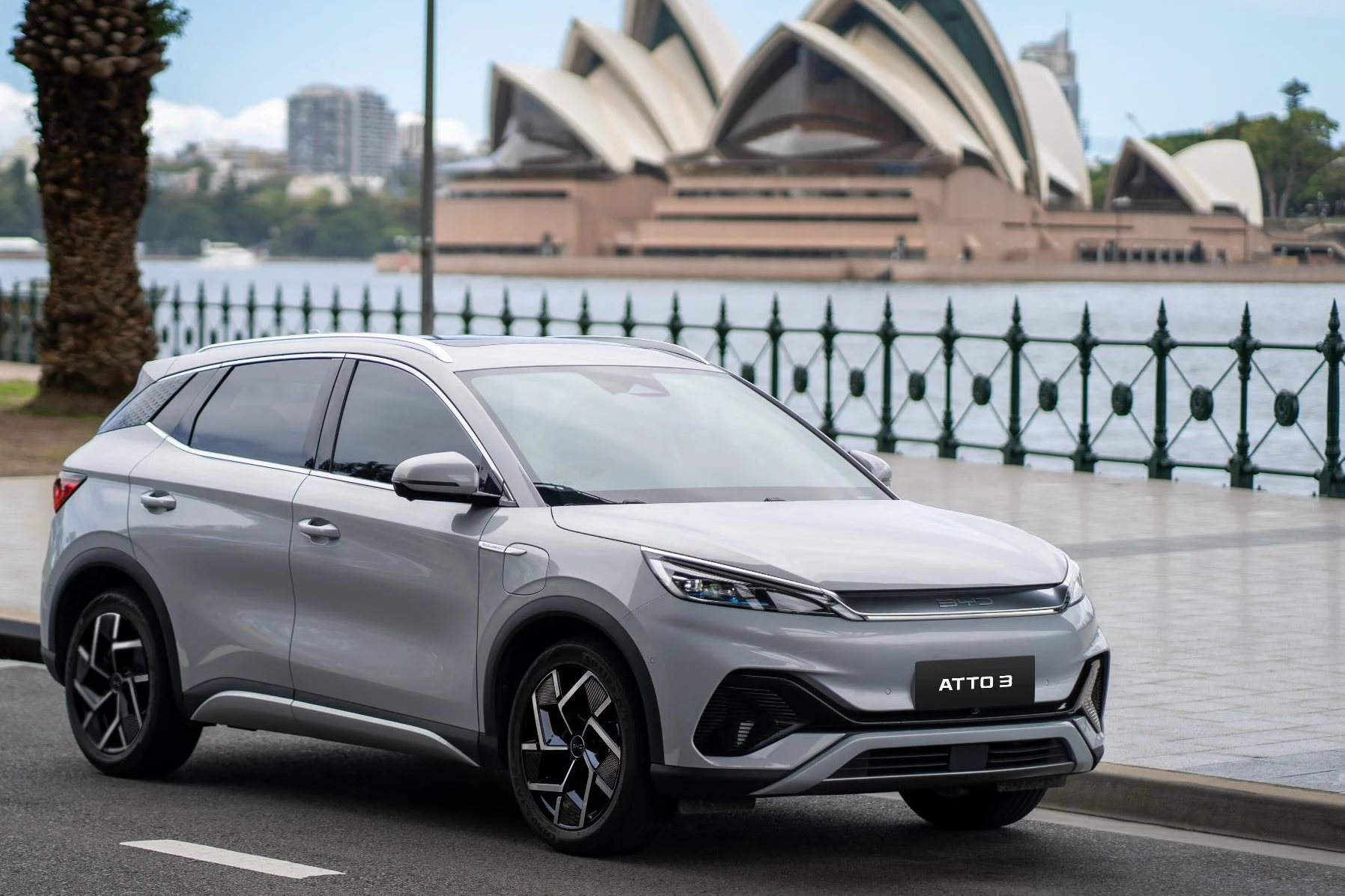
In the plug‑in hybrid segment, BYD alone commands about 68% of sales. Even traditionally non‑Chinese models, now built in China, contribute to this surge, underscoring the depth of the Chinese supply chain.
Canada’s Regulatory Landscape
Unlike Australia, which imposes no tariffs or quotas on Chinese EVs, Canada maintains a more controlled approach. Under a newly‑signed agreement, Canada will allow a maximum of 70,000 Chinese vehicles per year, starting with an initial quota of 49,000 and a 6% import duty. All incoming models must meet Canadian safety and emissions standards before they can be sold.
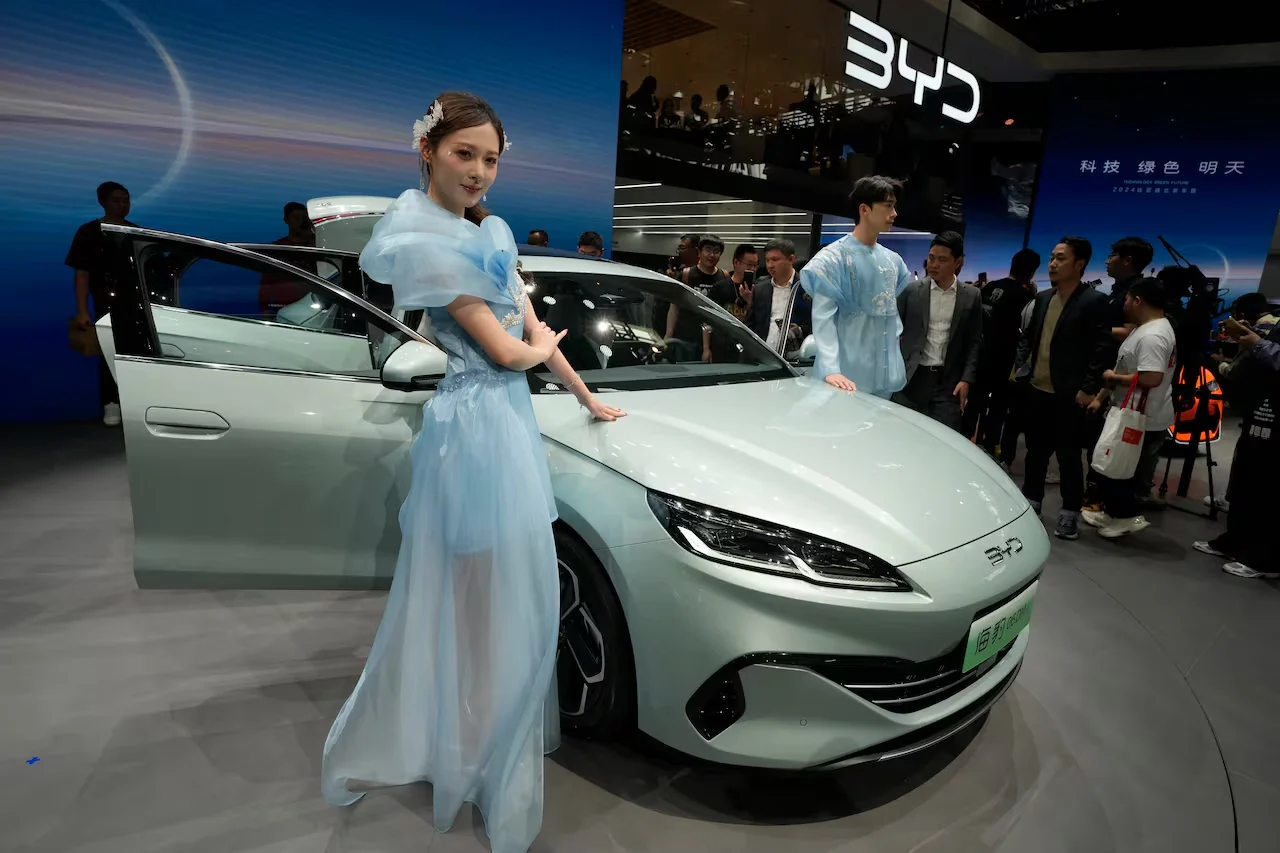
This quota system forces Chinese manufacturers to be selective. Flooding the market with dozens of brands is impractical; only those who can demonstrate quality, after‑sales support, and compliance are likely to secure a foothold.
Key Players Poised to Enter Canada
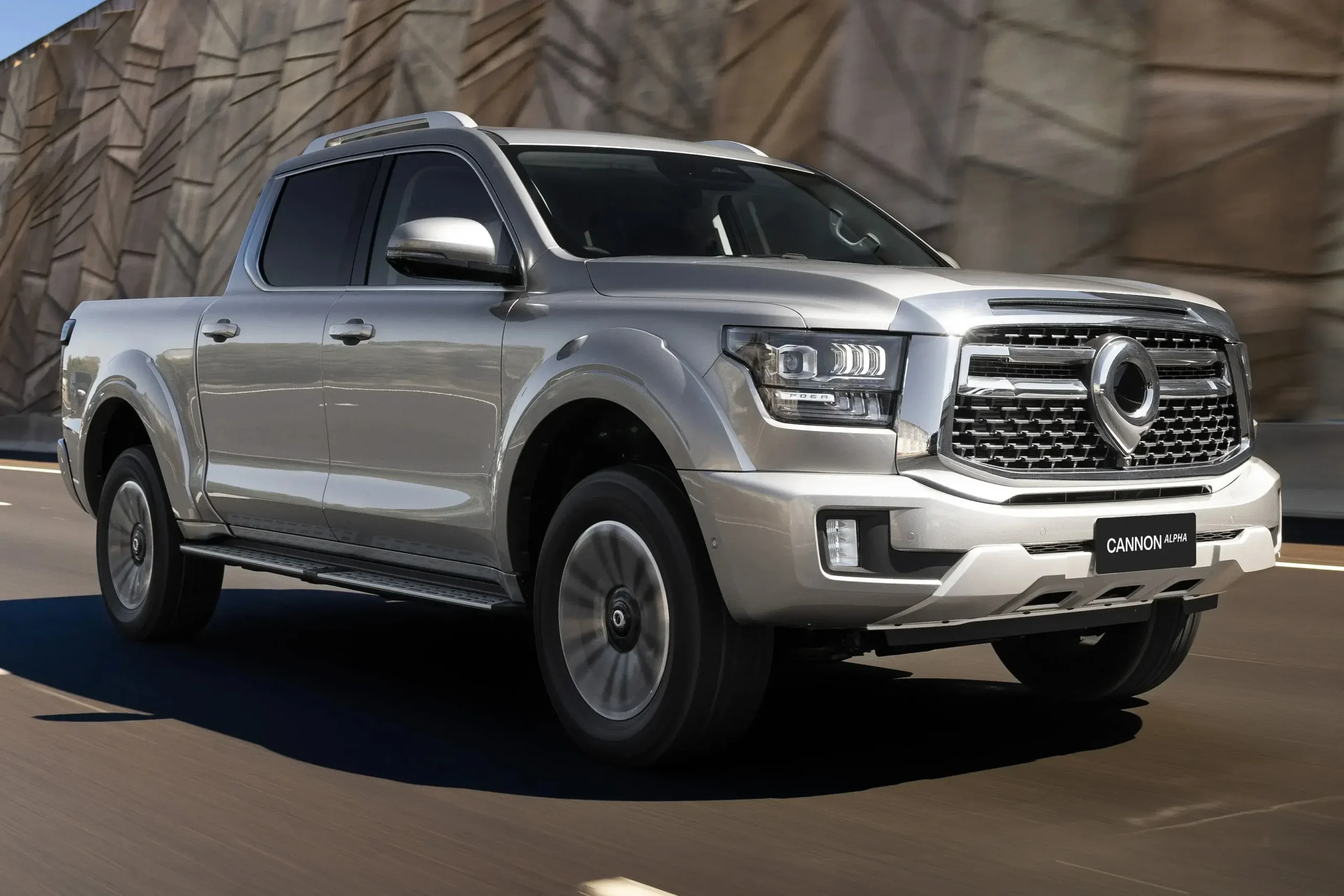
- Great Wall Motors (GWM) – Known for its evolving SUV and pickup line, GWM has transformed from a budget truck maker to a credible mainstream brand in Australia.
- BYD – The world’s largest EV producer, BYD already dominates the Australian EV segment and is expected to bring models like the Dolphin and Tang to Canadian shores.
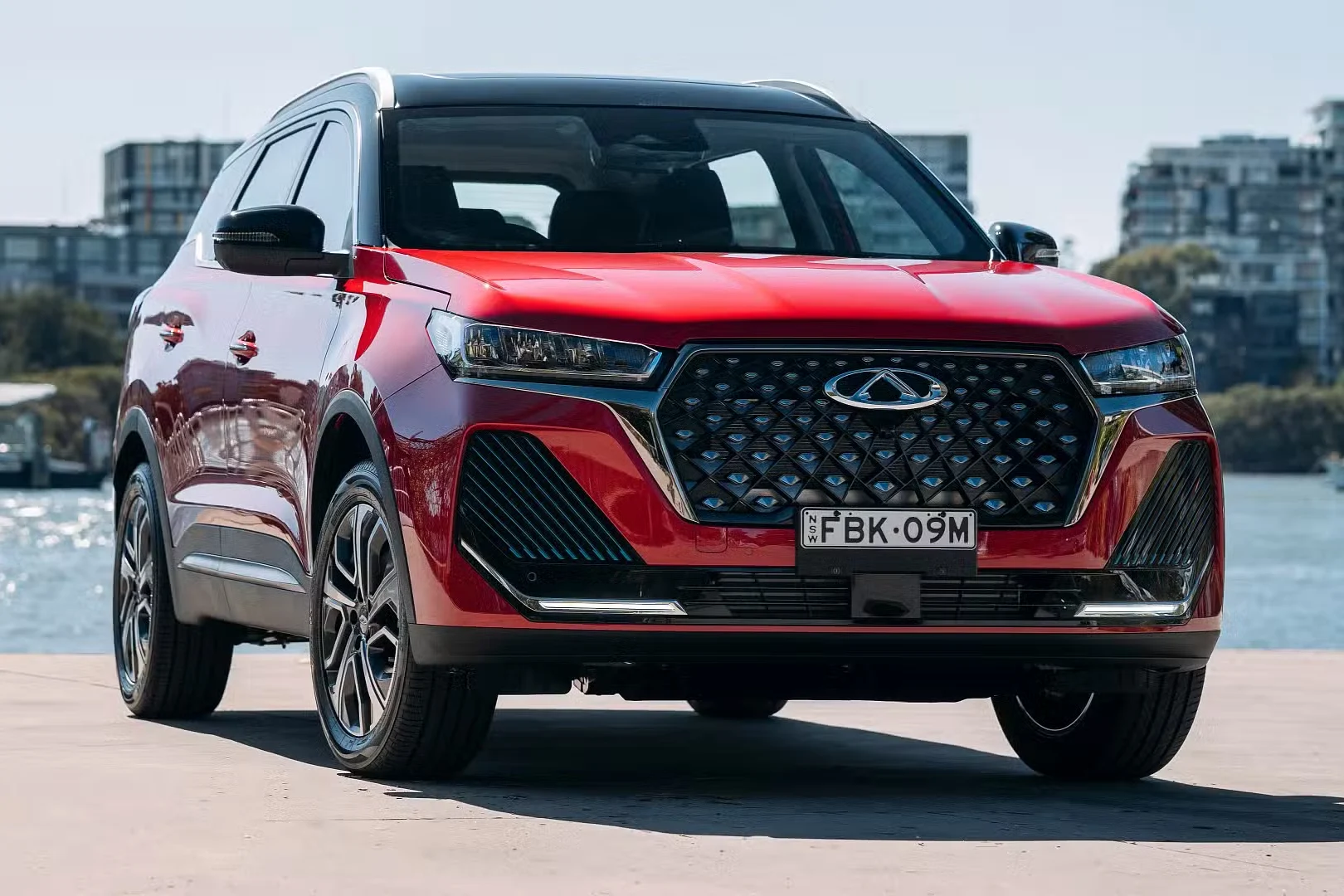
- Chery – After a brief withdrawal, Chery returned with improved quality and a 200% sales jump in Australia, primarily driven by its gasoline crossovers.
- Neta – A newcomer struggling in China, Neta is looking to diversify into emerging markets such as Thailand and Brazil, and Canada could be on its radar.
Challenges Beyond the Price Tag
Chinese automakers excel at offering low‑price vehicles, but long‑term success in Canada hinges on more than discounting. They must invest in:
- Robust dealer networks and service centers.
- Spare‑parts logistics and warranty infrastructure.
- Targeted marketing that resonates with Canadian consumers, who value reliability and safety.
Failure to build these foundations could result in a short‑lived presence, with customers quickly shifting to established brands.
What the Future Holds
Given the lessons from Australia—where strategic investment turned early price competition into lasting market share—Chinese EVs have a realistic chance of thriving in Canada if they play the long game. The combination of a sizeable annual quota, a growing appetite for affordable EVs, and Canada’s commitment to greener transportation creates a fertile environment.
Stakeholders should watch for official announcements from Transport Canada regarding brand‑specific approvals and the timeline for the first shipments. The next few years could see Canadian highways shared with a new generation of Chinese electric cars.
Stay informed and be ready to navigate the evolving automotive landscape.