
Canada scraps 100% tariffs and the EU caps duties, opening a path for Chinese electric vehicles in Europe. Learn how brands aim to win buyers – read now.
2026 could become a watershed year for Chinese electric‑vehicle (EV) manufacturers looking beyond Asia. With the European Union and Canada loosening long‑standing trade penalties, firms such as BYD and Geely are preparing to make their first substantial push into the most lucrative Western car markets.
Key Policy Changes
Canada removes the 100% anti‑subsidy tariff
During a state visit to Beijing, Canadian Prime Minister Mark Carney announced that the punitive 100% tariff on fully Chinese‑built EVs will be lifted. The country will also raise the annual import quota to 49,000 units, while keeping a modest 6.1% base duty on models with a range over 500 km and modern infotainment systems.
EU caps duties with a price‑cap agreement
Just days before Canada’s move, the EU reached a price‑cap deal with China that replaces punitive duties of 7.8‑35.3% with a fixed commitment price. This lowers the effective tax burden for Chinese EVs and improves profit margins for exporters targeting Europe.
Market Impact and Manufacturer Strategies
Even though immediate sales spikes are not guaranteed, analysts say the policy shift gives Chinese brands a vital runway to showcase production quality and technology. Qian Kang, owner of an automotive‑circuit board plant in Zhejiang, stresses that now is the moment for firms to build brand credibility and prove reliability to local consumers.
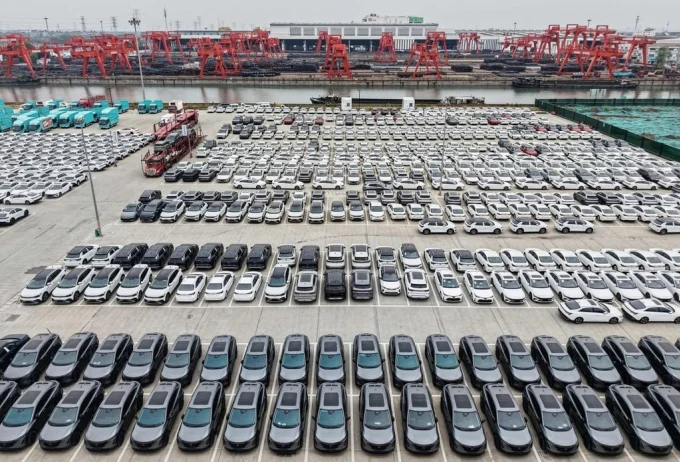
Geely welcomed Canada’s tariff cut, calling the development a “positive signal,” though it cautioned that it is still too early for detailed forecasts. BYD, which shipped 159,869 vehicles to Europe in the first eleven months of 2025 – a 276% increase year‑over‑year – still faces a 17% anti‑subsidy duty plus a 10% base tax in the EU.
UBS predicts Chinese EV exports will slow this year after a record‑high 2.6 million units shipped in 2023, a 104% jump. The slowdown is attributed to a high base year and softened demand in Europe. Nevertheless, the Chinese market remains dominant, accounting for roughly 70% of global EV sales – about 13 million vehicles.
From Budget to Premium
Historically, most Chinese EVs exported overseas were priced around ¥100,000 (US$14,350). Recent models now top ¥300,000 (US$43,000), indicating a strategic move upmarket. UBS Securities’ research director Xu Bin notes that this price shift reflects upgraded product lines aimed at higher‑value segments.
Looking Ahead
The removal of tariffs in Canada and the duty cap in the EU are expected to boost profit margins for BYD, which already derives about 20% of its total sales from exports. While the quota of 49,000 units is modest, it provides a foothold for Chinese brands to demonstrate reliability and win consumer trust.
As Western regulators continue to refine their stance on Chinese EVs, manufacturers are likely to increase local quality controls, expand service networks, and tailor models to regional preferences. The coming years will reveal whether these policy wins translate into lasting market share against established European and American rivals.