

Vietnam’s new diesel emission test uses a free‑acceleration run to verify exhaust limits. Learn if the full‑throttle check can damage your engine – read on!
Vietnam’s transport authorities have rolled out a new diesel‑engine emission inspection that starts this March. The procedure, known as the “free‑acceleration” test, asks owners of diesel‑powered motorcycles and cars to press the throttle fully until the engine reaches a predetermined maximum speed.

How the Test Works
At the inspection station, an examiner asks the driver to slam the accelerator pedal until the engine’s revolutions per minute (RPM) hit the limit set by the vehicle manufacturer. If the maker’s specifications are unavailable, the rule requires the engine to be revved to at least two‑thirds of the maximum power‑rated RPM before the throttle is released.
What RPM Limits Are Expected?
Most modern diesel models are capped at around 4,000 rpm. Vehicles that have a lower factory‑specified limit or that have been updated with a newer calibration can present the official documentation to the inspector, allowing a lower test speed.
Does Full‑Throttle Testing Endanger the Engine?
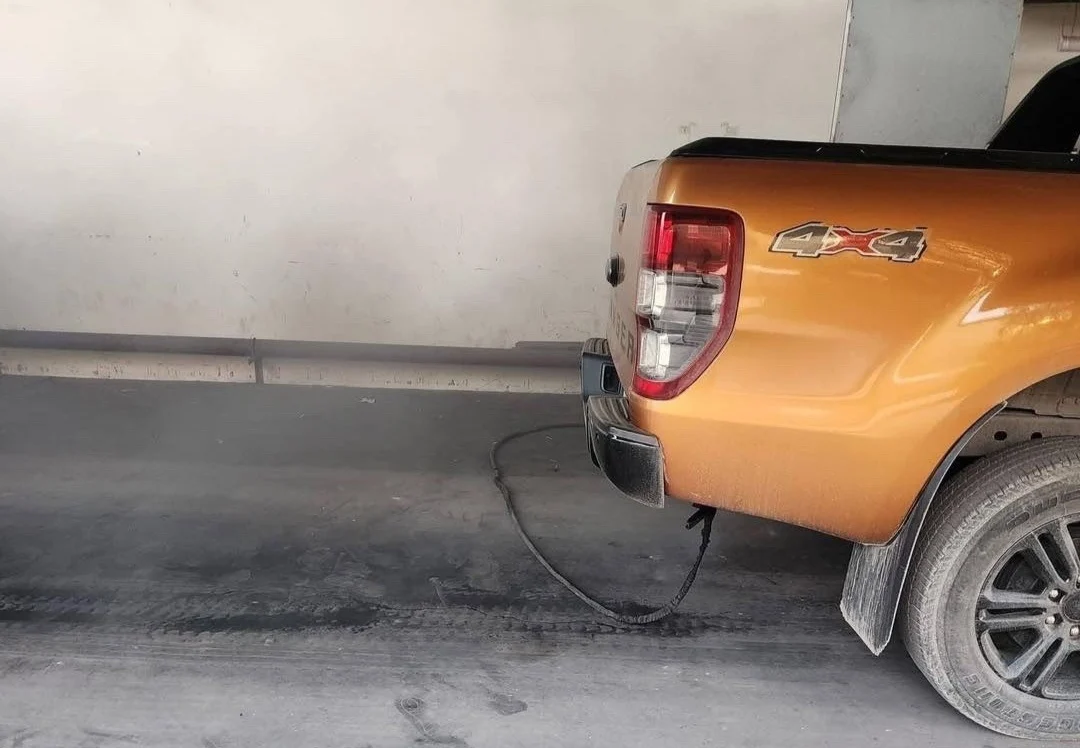
Social media chatter has raised concerns that a short burst of full‑throttle could damage older engines, especially on legacy models. In practice, the test is designed to verify that the powertrain can sustain its rated limit without malfunction. When a vehicle is properly maintained, the likelihood of permanent damage from a brief high‑rpm run is minimal.
Mechanic Lê Thượng Tiến, owner of Auto’s Only garage in Ho Chi Minh City, explains that the high‑rpm run stresses key components such as pistons, crankshaft bearings, and the timing chain. “If the engine is in good shape, it will handle the test without issue. Only a severely worn engine will show symptoms like black smoke or a temporary loss of power,” he notes.
What Happens If the Engine Fails the Test?
Should the vehicle exhibit a fault during the high‑rpm run, it will not pass registration inspection. Owners must then address the problem—often by repairing or replacing the affected parts—before returning for a re‑inspection. This requirement pushes the overall fleet toward higher reliability and lower emissions.
Best Practices for Drivers
- Warm up the engine to normal operating temperature before the test.
- Ensure regular maintenance: oil changes, filter replacements, and timely servicing.
- If you own a model with a known lower RPM limit, bring the manufacturer’s documentation to the station.
In short, the free‑acceleration emission test is a safety and environmental measure rather than a trap for diesel owners. By following standard maintenance routines, drivers can confidently clear the inspection without fearing engine damage.