
Compare driving and flying to celebrate Tet in Vietnam—budget, travel time, tolls, and comfort. Find the best choice for your family now!
Every Lunar New Year (Tet) sees a surge in long‑distance travel across Vietnam. Traditionally, residents of Ho Chi Minh City (HCMC) flew north to reunite with family, but an increasing number are opting for the open road. Below is a side‑by‑side look at the real costs, time commitments, and lifestyle trade‑offs of flying versus driving from HCMC to Hanoi for a family of three.
Air Travel: Speed at a Premium
During Tet, a round‑trip economy ticket on the HCMC‑Hanoi route typically costs between 7–8 million VND per passenger, which translates to roughly 21–24 million VND for a couple and one child.
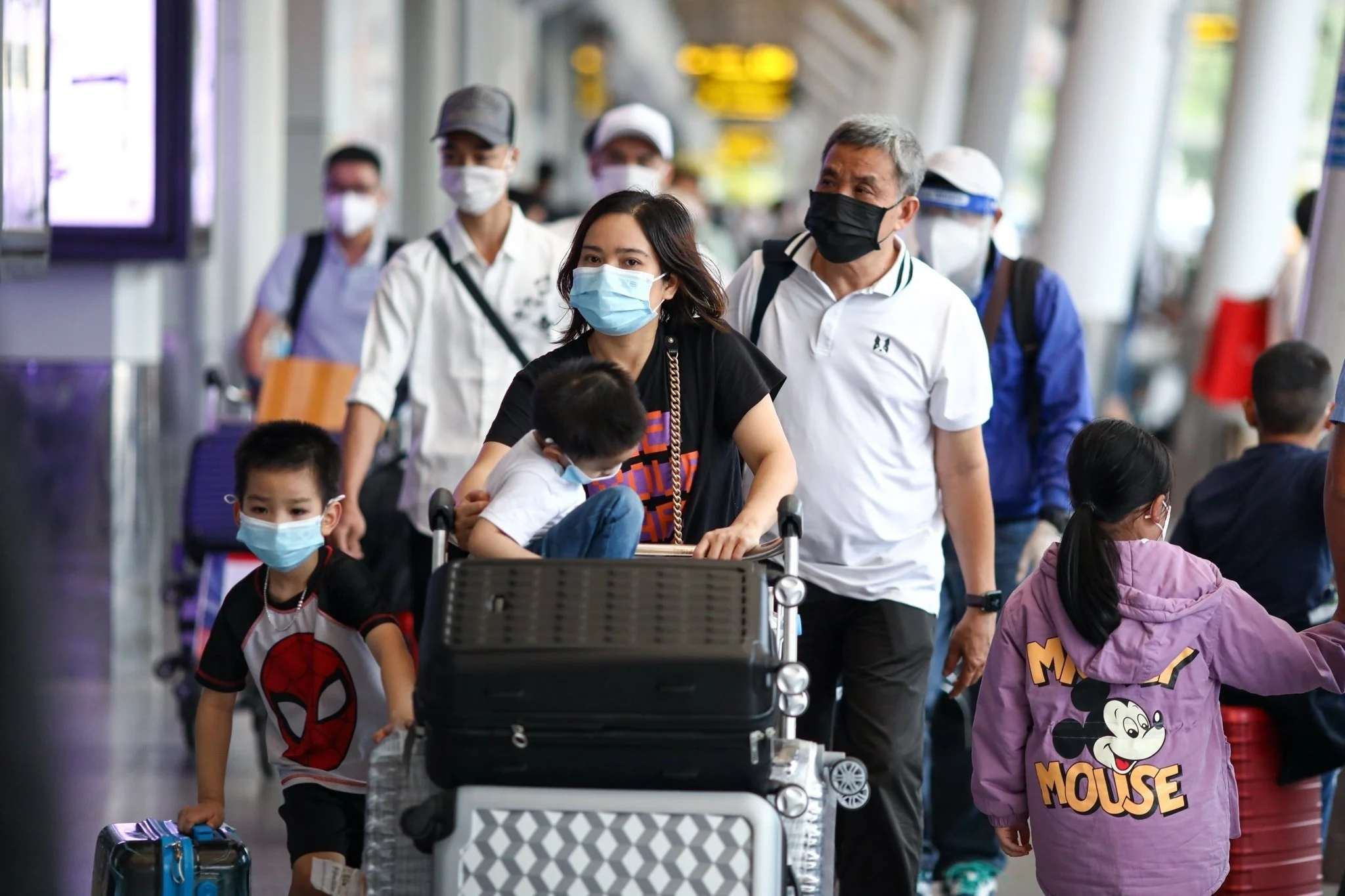
Airport transfers add extra expenses: about 200,000 VND each way to and from Tan Son Nhat Airport in HCMC, and over 250,000 VND per leg for the journey between Noi Bai Airport and central Hanoi.
The biggest advantage is time. A direct flight lasts just under two hours, and even after accounting for check‑in, security, and ground transport, most travelers spend roughly 4–5 hours total door‑to‑door.
Driving: Freedom with a Higher Time Cost
For families that already own a car, the road trip can shave off the rental fee (an estimated 10–20 million VND saved) but introduces fuel, toll, and accommodation costs.
Fuel: Most midsize cars consume about 9–10 L/100 km. The HCMC‑Hanoi stretch spans roughly 1,600 km**, requiring around 150 L of gasoline. At the current price of 18,800 VND/L, fuel alone costs about 2.8 million VND.
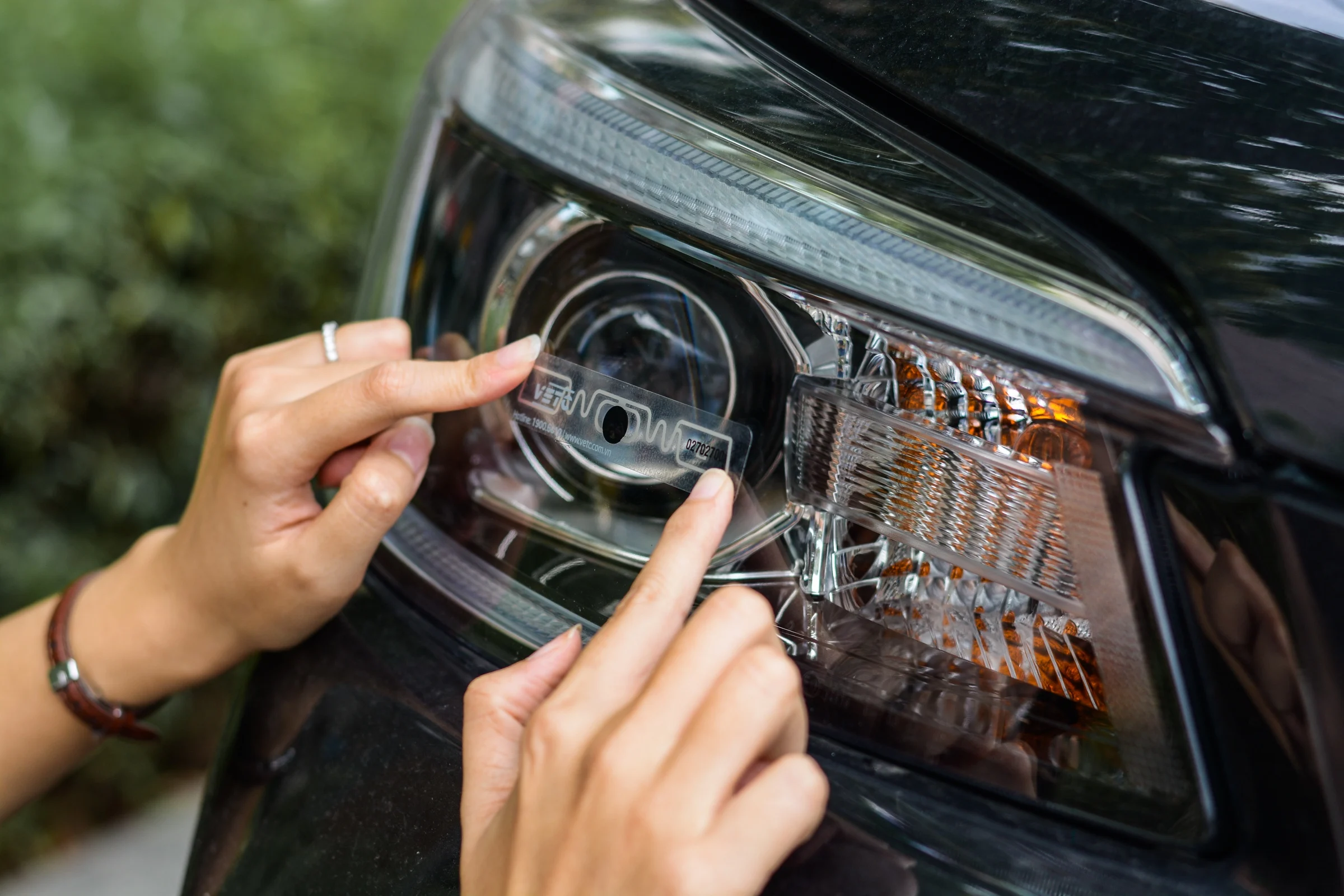
Tolls: The journey traverses 6–8 major express‑way sections on the North‑South East corridor. Typical tolls range from 100,000–250,000 VND per segment, with the whole route adding up to roughly 1.2–1.5 million VND. Additional mountain‑pass tunnels (e.g., Đèo Cả, Cù Mông, Hải Vân) can add another 90,000–110,000 VND each.
Accommodation & meals: Drivers usually break the trip into two or three days, staying overnight once or twice. Budget hotels cost around 1–2 million VND per night**, plus food and miscellaneous expenses, bringing the total non‑fuel, non‑toll outlay to about 2–4 million VND.
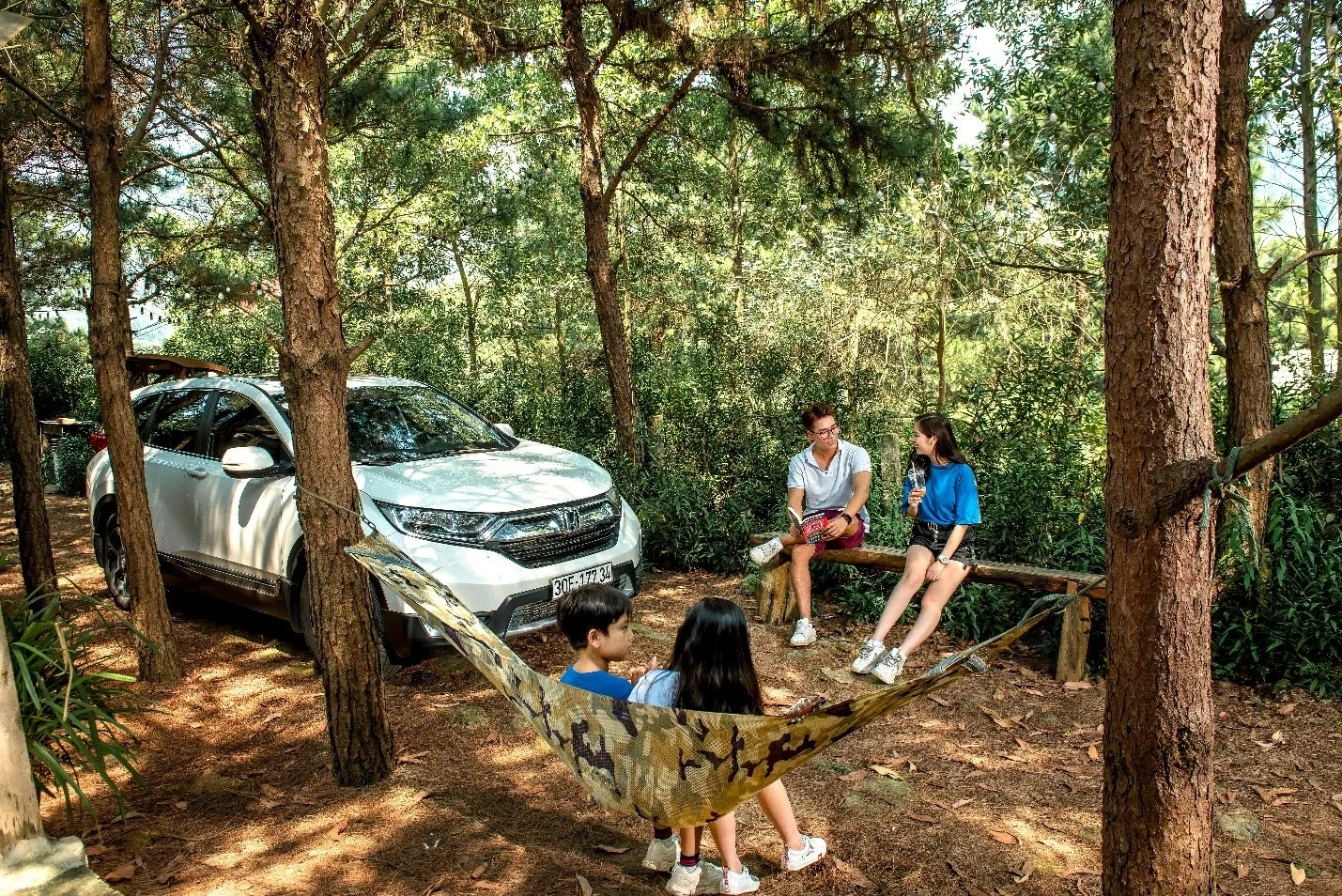
All told, a three‑person family can complete the drive for roughly 10 million VND, a fraction of the airborne alternative.
Time, Comfort, and Practicalities
- Travel time: Driving takes about 25–30 hours on the road, not counting rest stops.
- Flexibility: With a car, you set your own schedule, stop at points of interest, and avoid the hassle of booking scarce Tet‑season taxis in Hanoi.
- Physical strain: The long drive can be tiring, especially for families with young children who need car seats, snacks, and frequent bathroom breaks.
- Urban navigation: If you don’t own a vehicle in Hanoi, you’ll still need to arrange transport from Noi Bai Airport or the city outskirts—a challenge during peak holiday traffic.
Which Option Fits Your Situation?
If budget is the primary concern and you enjoy the adventure of a road trip, driving home is the clear winner. It also offers the liberty to transport extra luggage, gifts, and even a family pet without the airline’s restrictions.
Conversely, if time is precious, you have elderly relatives, or you simply prefer a stress‑free journey, the airplane remains the fastest—and arguably most comfortable—choice, despite its higher price tag.
Bottom Line
For a typical family of three, flying to Hanoi for Tet costs roughly 25–30 million VND when you factor in tickets and airport transfers. Driving, on the other hand, can be accomplished for around 10 million VND plus the inevitable hours on the road.
Weigh the monetary savings against the extra travel time and fatigue, and choose the method that aligns best with your budget, schedule, and comfort level. Happy Tet and safe travels!