
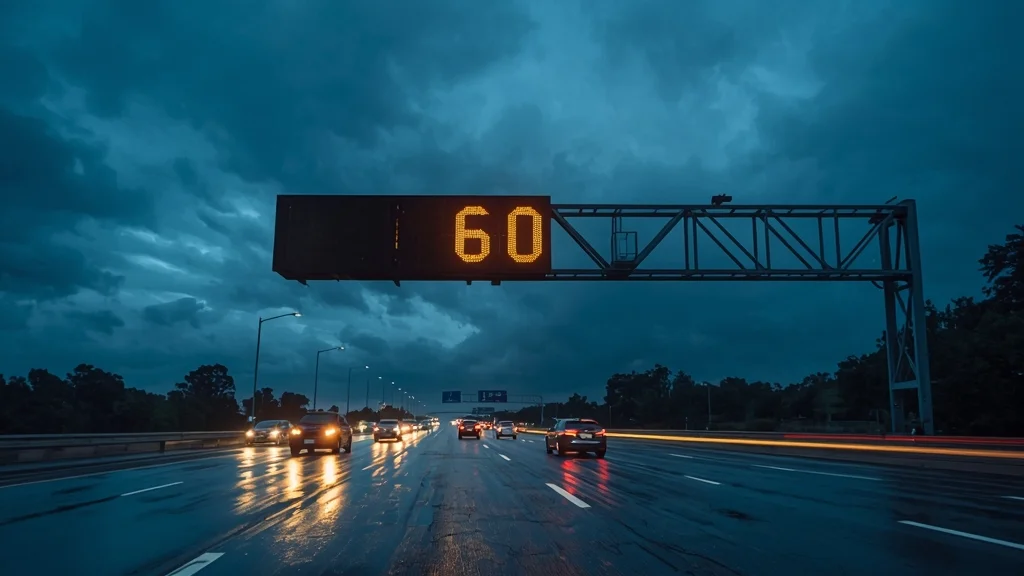
Texas rolls out dynamic speed limit signs that adjust to weather and traffic, boosting safety on highways. Learn how the new system works – read more now!
Texans will soon notice a new kind of road sign: electronic speed limit displays that can change in real time. The state’s Department of Transportation (TxDOT) has begun installing these dynamic signs on major highways, allowing speed limits to be lowered during severe weather, heavy congestion, or construction zones.
Why the Shift to Digital?
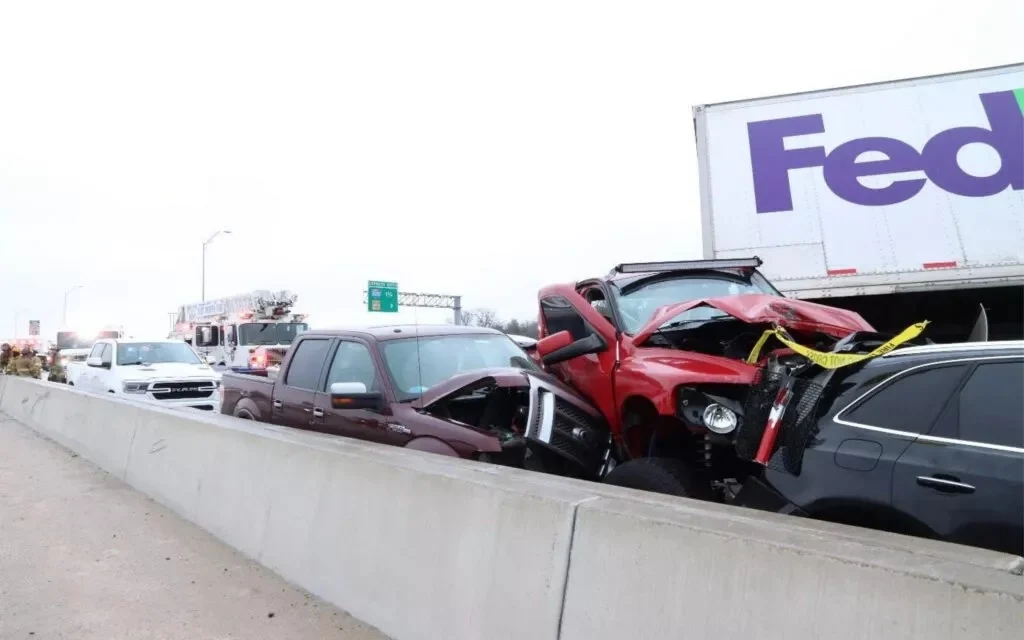
The move comes after a deadly 2021 winter storm that claimed six lives on I‑35W. At the time, the posted limit remained at 75 mph (120 km/h) even as temperatures fell below freezing for more than 36 hours. The static sign failed to warn drivers about the treacherous conditions, contributing to a massive pile‑up involving 133 vehicles.
Lawmakers responded by passing legislation in 2021 that authorized flexible speed limits, and after a two‑year pilot program, the technology is now ready for a statewide rollout.
How the System Works
Each digital sign is linked to a network of traffic cameras, road‑weather sensors, and real‑time traffic monitoring software. When the system detects conditions that warrant a slower speed—such as ice, heavy rain, or a blocked lane—it automatically reduces the displayed limit by up to 10 mph (approximately 16 km/h). For example, a road normally posted at 70 mph can be lowered to 60 mph without any manual intervention.
The reduction is capped at 10 mph to avoid creating unnecessary bottlenecks. Once conditions improve, the sign reverts to the standard limit, ensuring smooth traffic flow while maintaining safety.
Safety Benefits
Dynamic speed limits give drivers a clear, timely cue to adjust their speed, reducing the likelihood of skidding or rear‑end collisions in adverse conditions. Early data from the pilot program shows a 12% drop in accident rates during periods when the signs were active.
Because the signs are prioritized for routes already equipped with intelligent transportation systems, TxDOT can quickly verify hazards and restore normal speed limits as soon as the threat passes.
What This Means for Drivers
Motorists will need to stay alert for changing numbers on the electronic panels, especially during winter storms or heavy traffic events. The signs are designed to be highly visible, with bright LED displays that adjust brightness based on ambient light.
Authorities encourage drivers to treat any reduction as a mandatory limit, not a suggestion. Failure to comply could result in the same penalties as traditional speed violations.
Future Outlook
Texas plans to expand the network to cover more rural highways and secondary roads over the next three years. The state is also exploring integration with connected‑vehicle technology, which could eventually push speed‑limit updates directly to in‑car navigation systems.
By embracing flexible, data‑driven signage, Texas aims to set a new standard for road safety that other states may soon follow.