
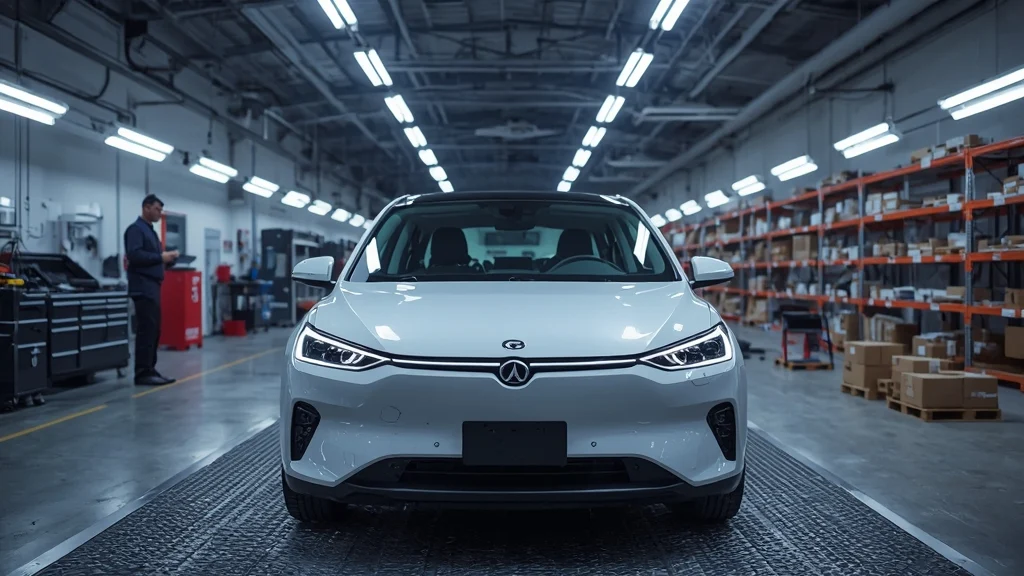
Explore why Chinese cars sell fast but often face service delays, parts shortages, and PHEV repair hurdles. Learn how to protect your investment today!
Chinese automakers have become hard to ignore. With aggressive pricing, generous equipment lists and a flood of new electric (EV) and plug‑in hybrid (PHEV) models, they promise an irresistible purchase experience. Yet many owners quickly discover that the after‑sales side—service appointments, diagnostics, and parts availability—often lags far behind the sales floor.
The “Easy to Buy” Formula
In the past two years Chinese brands have captured market share across Southeast Asia, Australia and even parts of Europe. Their secret? A familiar yet powerful mix:
- Prices well below the market average
- High‑spec trim levels (large infotainment screens, advanced driver‑assist systems, comprehensive safety suites)
- Rapid model refresh cycles
For a shopper walking into a showroom, the decision is clear: more features for less money, plus the allure of an EV that can also run on gasoline as a safety net. But the same sophisticated hardware—multiple electronic control units, high‑voltage batteries and numerous sensors—creates a hidden cost for service networks.
When “Hard to Fix” Becomes the Reality
Across several markets, owners report long wait times for service appointments and, more critically, for parts. In Australia, CarsGuide highlighted BYD’s struggle with both “service delays” and “parts delays,” prompting the brand to publicly outline a remedial plan. Similar complaints surfaced in China’s own market, where Reuters noted a recall of almost 89,000 BYD Qin PLUS DM‑i vehicles over high‑voltage wiring issues.
XPeng dealers in Australia echoed the sentiment: while the supply chain from China is gradually improving, an “expectation gap” remains. Buyers expect a fully stocked local parts inventory from day one, yet many newly launched models still rely on importing components on an as‑needed basis.
PHEV Complexity Adds Another Layer
Plug‑in hybrids combine conventional power‑trains with high‑voltage electrical systems, demanding specialised diagnostics and safety procedures. A 2025 recall notice from Vehicle Recalls Australia warned that a production flaw in the high‑voltage wiring could cause improper grounding, leading to warning lights, reduced torque and compromised hybrid cooling. Resolving such issues isn’t a simple bolt‑tightening job; it requires trained technicians, high‑voltage safety equipment and, often, a complete module replacement.
Systemic Issues Behind the Delays
Three interconnected factors keep the service chain from keeping pace with sales:
- Local Parts Stock: Without domestic warehouses, even minor component shortages translate into weeks‑long garage stays.
- Service Network Scale: Many markets lack a sufficient number of BYD, XPeng or Neta‑certified workshops, especially those equipped for high‑voltage work.
- Technical Training & Data Access: Independent mechanics often face legal and informational barriers to repairing Chinese EVs, turning what used to be a mechanical job into a software‑centric service.
Financial stability of the brand or its local distributor further compounds the problem. In Thailand, the Consumer Council reported rising complaints against Neta Auto for missing parts, closed service centres and owners left to DIY repairs. Reuters added that Neta struggled to meet local production requirements tied to tax incentives, leading to withheld payments and legal disputes with dealers.
What Buyers Can Do to Protect Themselves
Until the after‑sales ecosystem catches up, prospective owners should treat service capability as part of the total cost of ownership:
- Ask the dealer for average parts lead‑time in the region.
- Verify the number of authorized workshops that meet PHEV high‑voltage safety standards.
- Inquire about software update policies and who has access to diagnostic data.
- Check the brand’s long‑term parts supply commitments (e.g., a ten‑year warranty on battery modules).
- Consider third‑party warranty or service plans that cover delayed repairs.
By doing so, buyers can enjoy the upfront price advantage without being caught off guard by a prolonged, costly repair process.
Looking Ahead
The challenge isn’t that Chinese cars are inherently unreliable; it’s a classic growth‑versus‑support dilemma. As manufacturers continue to expand, they must invest in local parts depots, train high‑voltage technicians and provide transparent diagnostic tools. Only then will the promise of an “easy‑to‑buy” vehicle be matched by an “easy‑to‑own” experience.
Until that balance is achieved, the mantra for savvy consumers remains simple: love the deal, but scrutinise the service promise.