
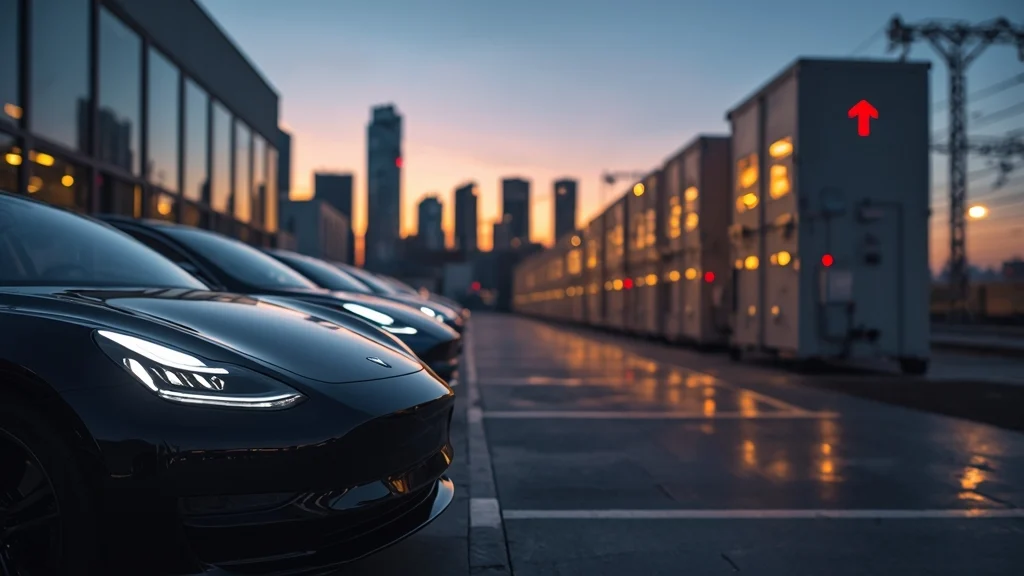
Global electric vehicle sales fell 11% in February, prompting automakers to shift toward energy storage and hybrid models. Discover market shifts now.
Global electric vehicle (EV) sales stalled in February, with worldwide deliveries falling 11 % year‑on‑year, according to Benchmark Mineral Intelligence. The slowdown highlights diverging market dynamics across regions and forces automakers to rethink their strategies.
Regional performance
Europe stays on the growth track
European EV sales have surged about 21 % since the start of the year, driven by generous subsidies and tax incentives. Germany posted a 26 % increase, France 30 %, and Italy nearly doubled its sales thanks to high‑value EU support packages.
North America sees a pullback
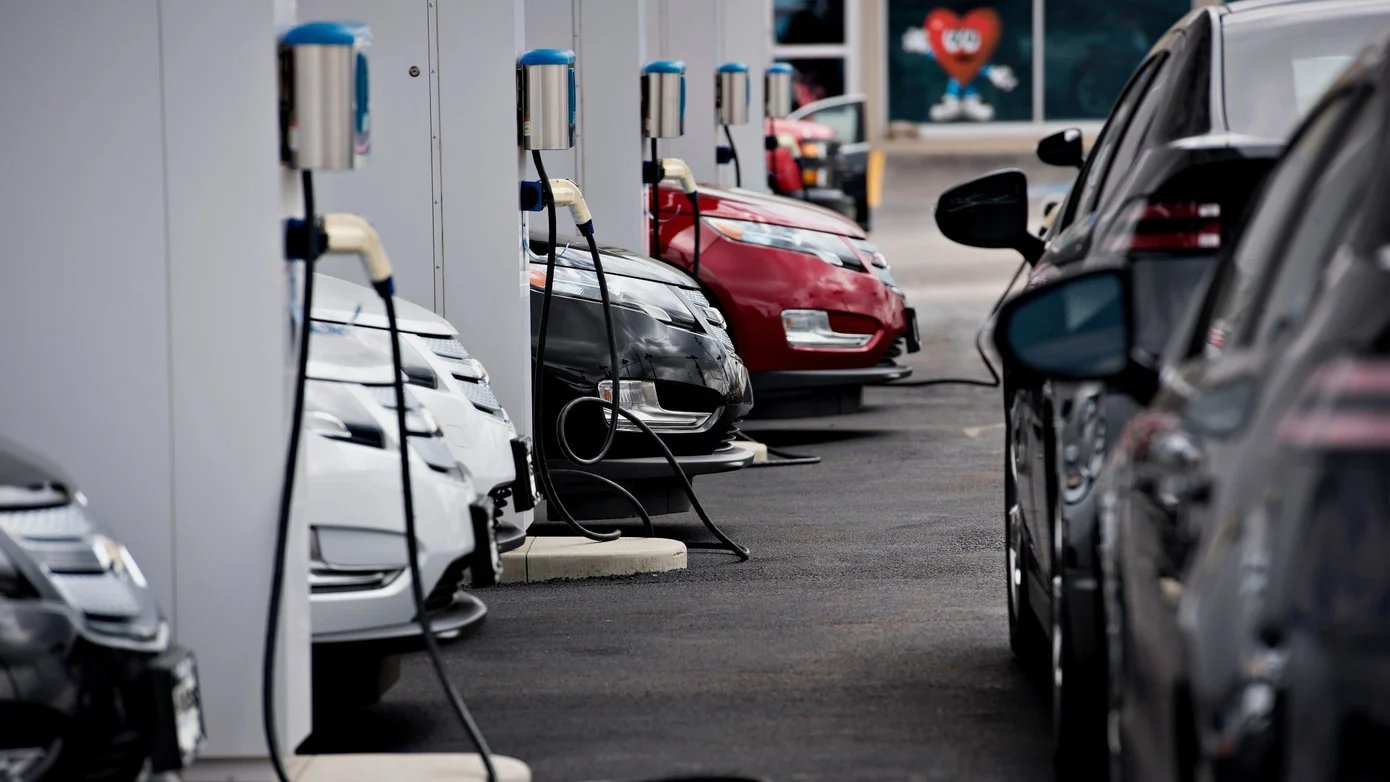
In contrast, the North American market posted a modest 8 % rise in February but overall sales are down 36 % year‑to‑date as consumer demand wanes. Ford, for example, saw its EV volume plunge 70 % since January.
China balances policy shifts with export surge
China’s domestic EV market slipped 26 % after the government reinstated purchase taxes and tightened swap‑old‑for‑new incentives. However, Chinese manufacturers compensated by ramping up exports – shipments more than doubled in the first two months of 2026, topping 500,000 units.
Why the slowdown matters for manufacturers
Years of massive investment in battery factories were predicated on an ever‑accelerating demand curve. With sales decelerating, a surplus of battery capacity now needs a new outlet.
Pivot to large‑scale battery storage
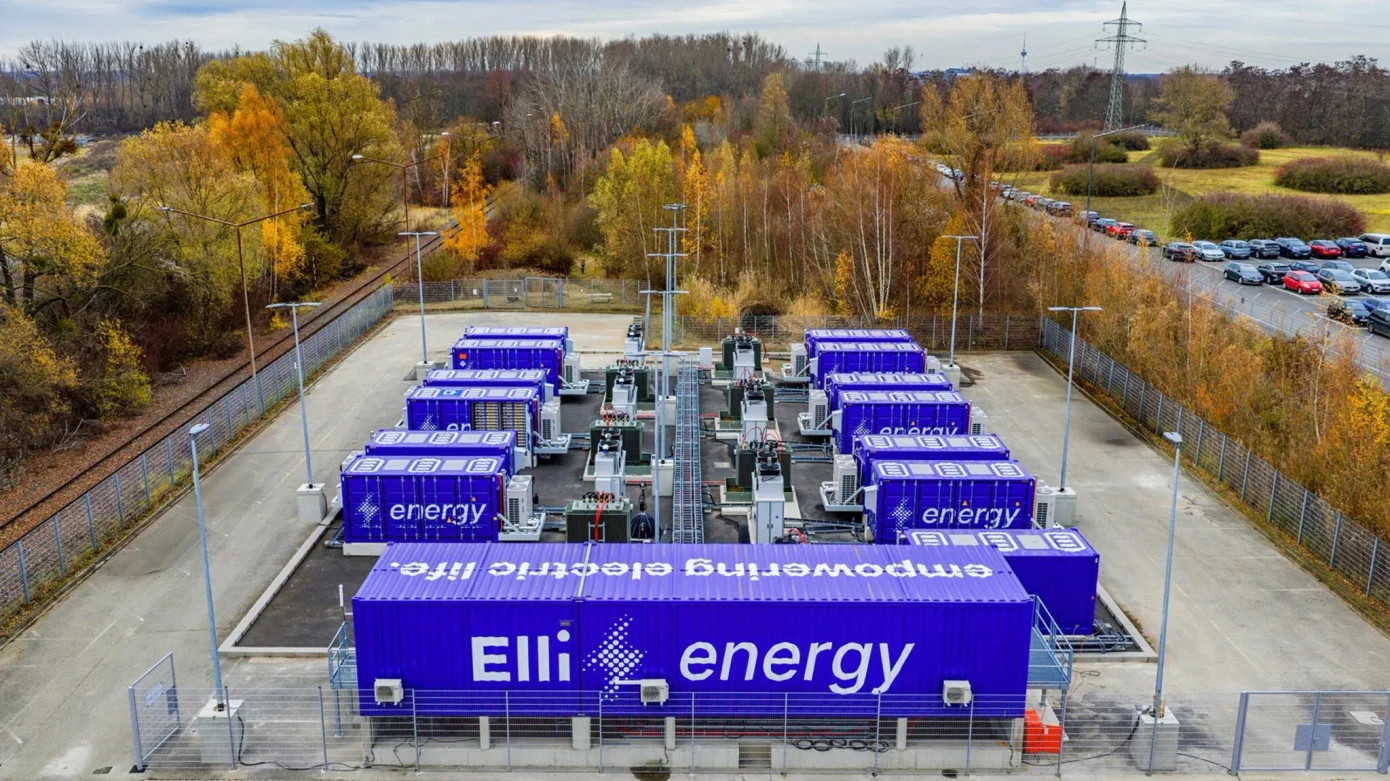
Many OEMs are turning their excess battery output into grid‑scale energy storage solutions. These systems store renewable power and discharge it when the grid requires additional capacity, providing a valuable revenue stream while supporting grid stability.
- Volkswagen’s energy subsidiary Elli launched Germany’s first 20 MW / 40 MWh battery storage plant, directly feeding the national grid.
- Tesla’s Megapack projects are expanding across the United States and Europe.
- China’s BYD, as well as General Motors, Renault, Mercedes‑Benz and Hyundai, have announced or are already operating similar storage facilities.
Re‑investing in internal‑combustion and hybrid models
The United States’ recent rollback of EV incentives and a loosening of emission standards, together with fierce pricing competition in China, have prompted several manufacturers to revive gasoline and hybrid development. This move is seen as a short‑term balancing act rather than a permanent retreat from electrification.
Outlook
Industry analysts view the current adjustments as a strategic recalibration. While EVs remain the long‑term destination for the automotive sector, manufacturers are resizing production, expanding storage projects and diversifying line‑ups to align with a more measured market forecast.