
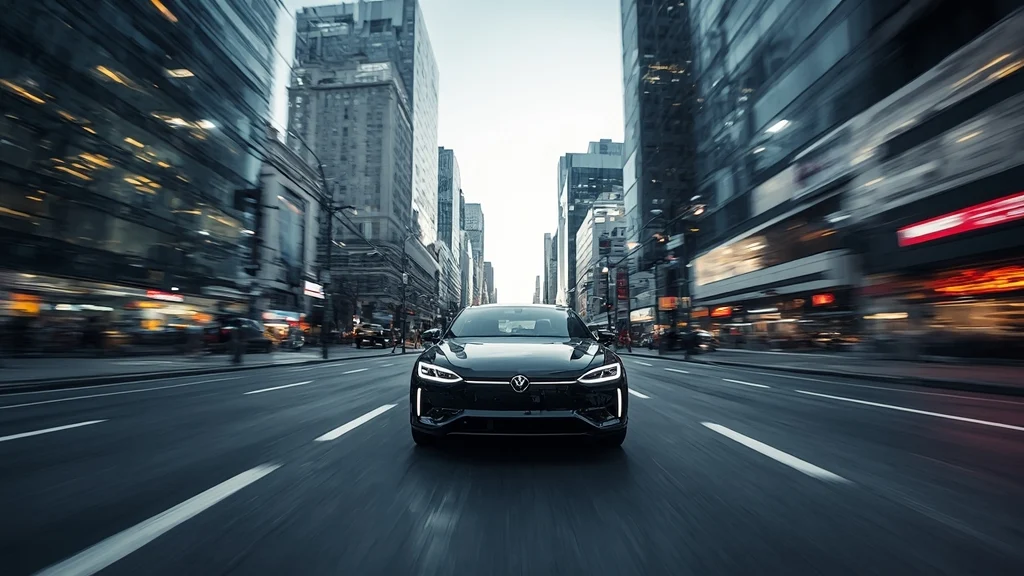
Explore how electric vehicles in 2025 are reshaping the auto market amid rising tariffs, hybrid surges, and software‑defined car technology. Read more now!
The automotive world is accelerating toward a new normal in 2025. While the transition to fully electric cars is gradual, it is unmistakably steady, and software is emerging as the new differentiator amid a landscape of rising tariffs and shifting consumer preferences.
Global Shift Toward Electric Vehicles
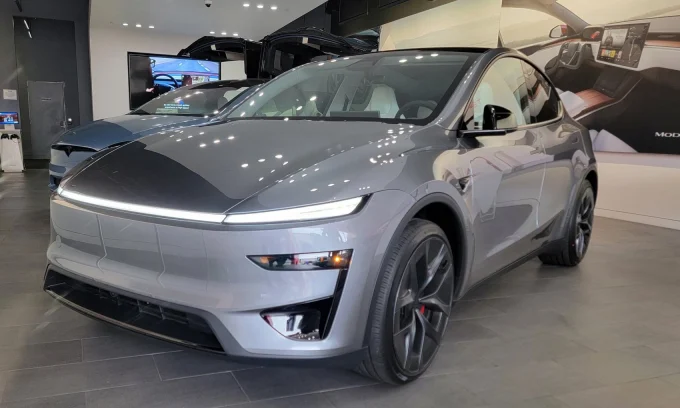
In 2025, more than 25% of all new vehicles sold worldwide will be electric. Europe leads the charge with 3.8 million EVs delivered in the first eleven months—a 33% jump from 2024 and the strongest growth rate globally, according to Benchmark Mineral Intelligence.
Emerging Markets Take the Lead
Beyond Europe, the spotlight is moving to Southeast Asia. The Ember Energy Institute projects that emerging markets such as Vietnam and Singapore could capture roughly 40% of regional EV sales, outpacing the United Kingdom and the EU in green‑vehicle penetration. Indonesia and Thailand are also seeing rapid uptake, with market shares of about 15% and 20% respectively—far higher than many mature economies.
Hybrid Cars Resurge in the US and Europe
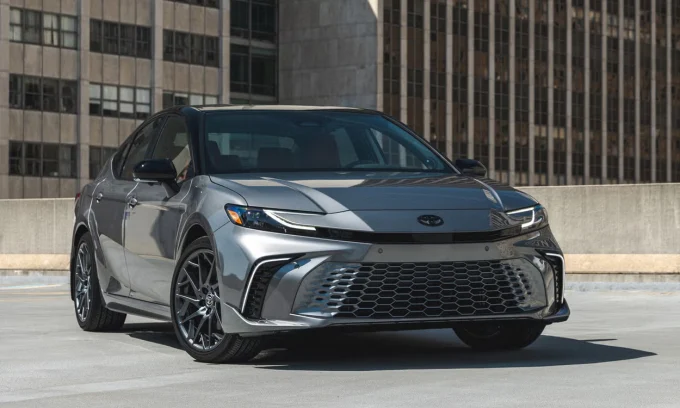
In the United States, the loss of federal tax credits has stalled pure‑EV growth, prompting many buyers to turn to hybrids as a cost‑effective bridge. Models like the Toyota Camry Hybrid and Honda CR‑V Hybrid dominate U.S. sales, while the Toyota Tacoma Hybrid has posted a remarkable 400% increase.
In Europe, hybrid adoption remains robust, even as plug‑in hybrid (PHEV) volumes dip due to shifting tax‑incentive policies, according to PwC & Strategy.
Vietnam’s Growing Hybrid Appetite
Vietnam mirrors the global trend. By November 2025, cumulative hybrid sales topped 12,800 units—a 55% rise versus 2024. Toyota commands roughly 57% of the hybrid market, followed by Honda (22%), Suzuki (20%) and Kia (1%).
Tariff Turbulence and Trade Policies
2025 has been a turbulent year for automotive trade. The United States imposed steep tariffs on imported cars and components, while the EU added a 10% duty on Chinese electric vehicles to protect domestic manufacturers. In September, U.S. federal EV tax credits were slashed, leading to a noticeable sales dip in Q4.
China, long the world’s biggest EV subsidy beneficiary, announced the removal of EVs from its five‑year plan, signalling an end to massive financial support that helped it dominate the global supply chain.
Software‑Defined Vehicles (SDV) Become a Strategic Asset
Software‑Defined Vehicles—cars whose features are largely delivered via software rather than hardware—have moved from hype to commercial reality. The SDV market is projected to be worth $235–$290 billion in 2025. By decoupling functionality from physical components, manufacturers mitigate tariff exposure on parts like ECUs and telecom modules.
China is at the forefront: about 65% of EVs sold there in 2024 already support over‑the‑air updates, offering highly customizable user experiences. The Nio ET9 is rated as the most ready‑for‑level‑5 SDV, with Tesla’s Cybertruck, Xpeng, and Li Auto trailing in the level‑4 bracket.
Autonomous Vehicles Move Toward Commercialization
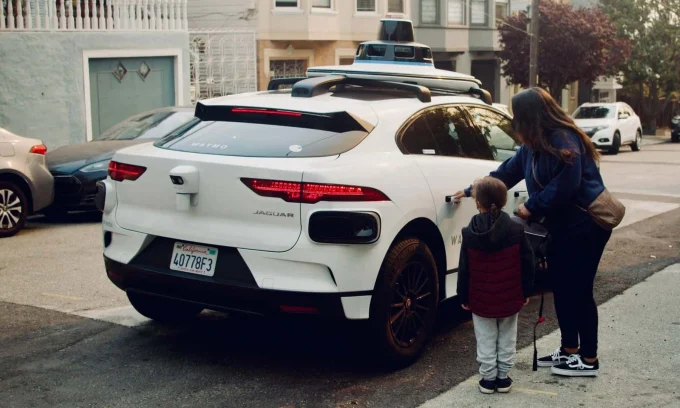
Fully driverless (Level 5) cars remain a long‑term goal, but Level 2‑3 automation now accounts for roughly two‑thirds of new‑car sales. In the United States, Waymo operates more than 1 million autonomous rides per month and is expanding into Dallas, Houston and Miami. Tesla plans to launch a dedicated Cybercab service while extending its Full‑Self‑Driving (FSD) suite, despite regulatory scrutiny over its camera‑‑only approach.
China leads in autonomous‑taxi deployments, with Baidu’s fleet covering major cities such as Wuhan. BYD is rapidly rolling out Level 2+ features to millions of vehicles.
Overall, 2025 is shaping up to be a pivotal year for the auto industry—one where electrification, software, and geopolitics intersect to redefine how we drive.