
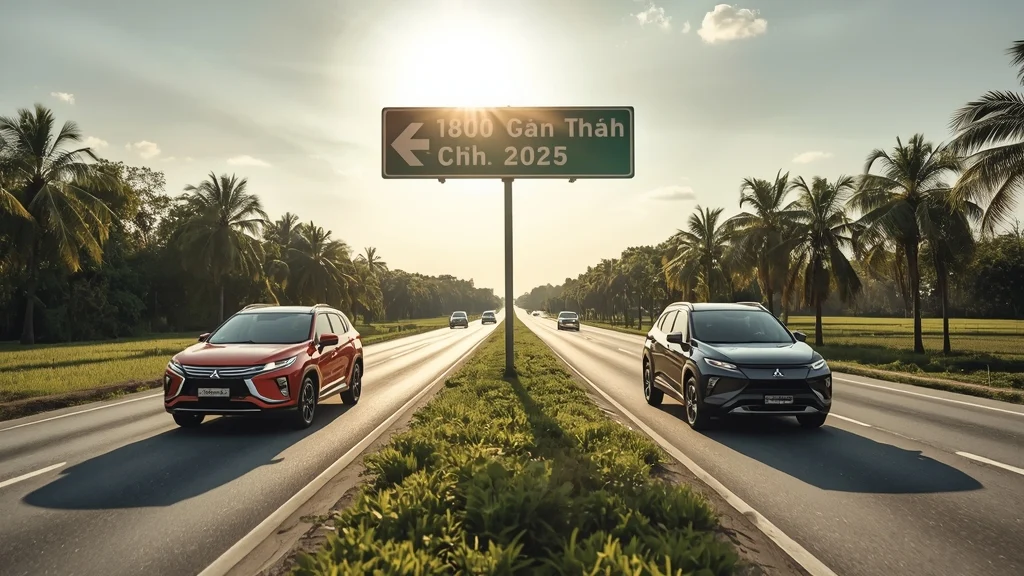
Explore whether an electric or gasoline car is the smarter choice for your Tet journey from Ho Chi Minh City to Vietnam’s western provinces, with cost, time and charging tips.
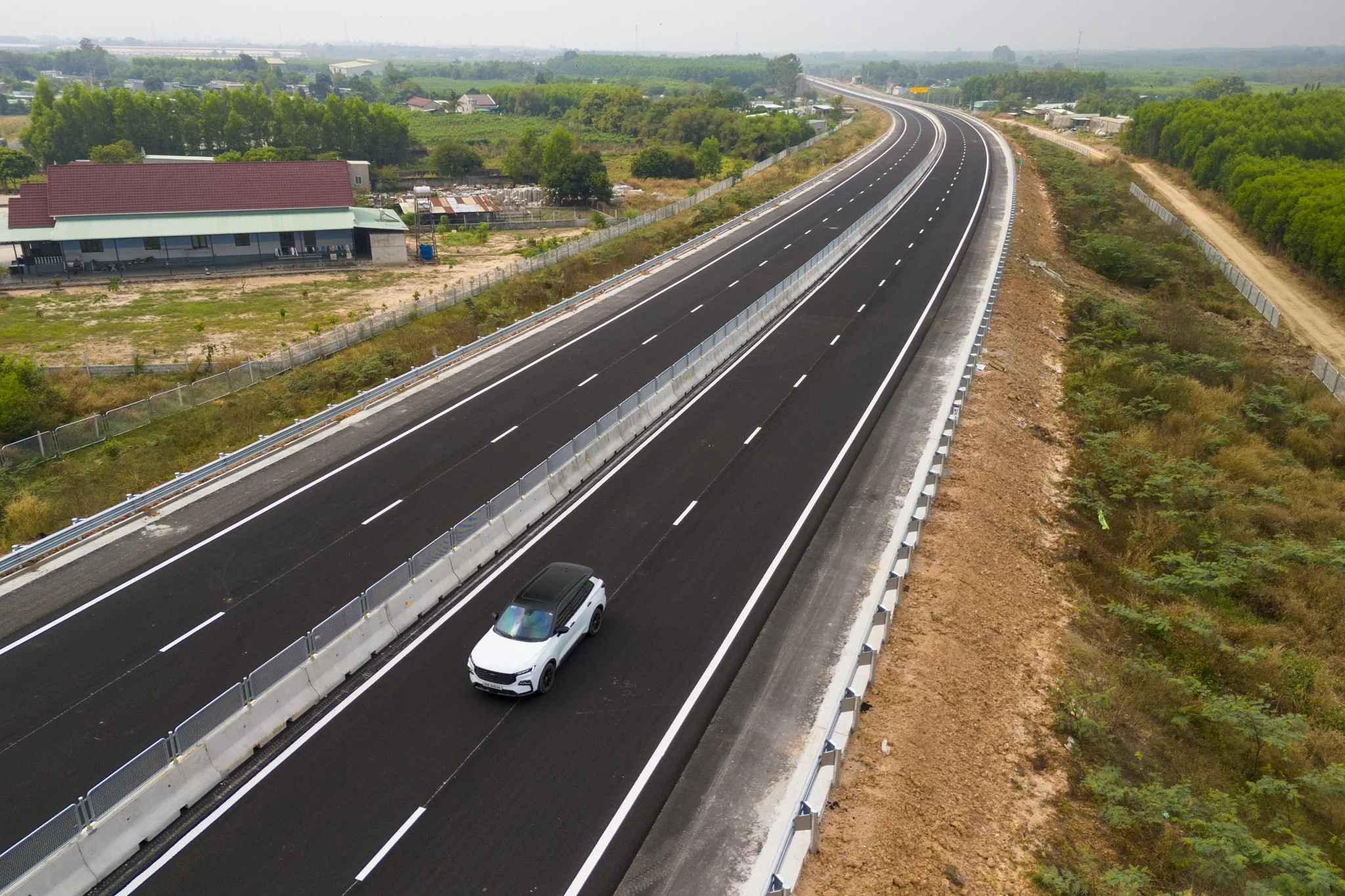
As the Lunar New Year approaches, many families in Ho Chi Minh City (HCMC) start planning their road trips back to the western provinces for Tet celebrations. The choice between a gasoline‑powered car and an electric vehicle (EV) can impact both the wallet and the travel experience.
Key Factors to Consider
The most common route from HCMC to Cà Mau – a typical gateway to the Mekong Delta – follows the North‑South Eastern corridor: HCMC → Trung Lương → Mỹ Thuận → Cần Thơ → Cà Mau. Under normal conditions the drive takes about 5–6 hours and covers roughly 330 km.
Gasoline Car Costs
- Highway tolls: VND 250 000–300 000 for the entire stretch (the Cần Thơ‑Cà Mau segment is currently free but will be charged from Q2 2025).
- Fuel consumption: 9–10 L/100 km for midsize models, meaning 27–30 L for the trip.
- Fuel price: RON 95 averages VND 18 800 per litre, so a full tank costs roughly VND 600 000‑800 000, depending on tank size (e.g., a 42 L Mitsubishi XForce would need about VND 800 000).
- Rest stops: Refueling stations are sparse on newly opened highway sections, which may add extra time.
Electric Car Costs
- Driving range: Most EVs on the market offer 300–410 km per charge, so at least one recharge is required.
- Charging time: 30 minutes (fast DC) to 2 hours (slow AC) depending on the charger and vehicle.
- Charging fees:
- VinFast owners often enjoy free charging under promotional programs.
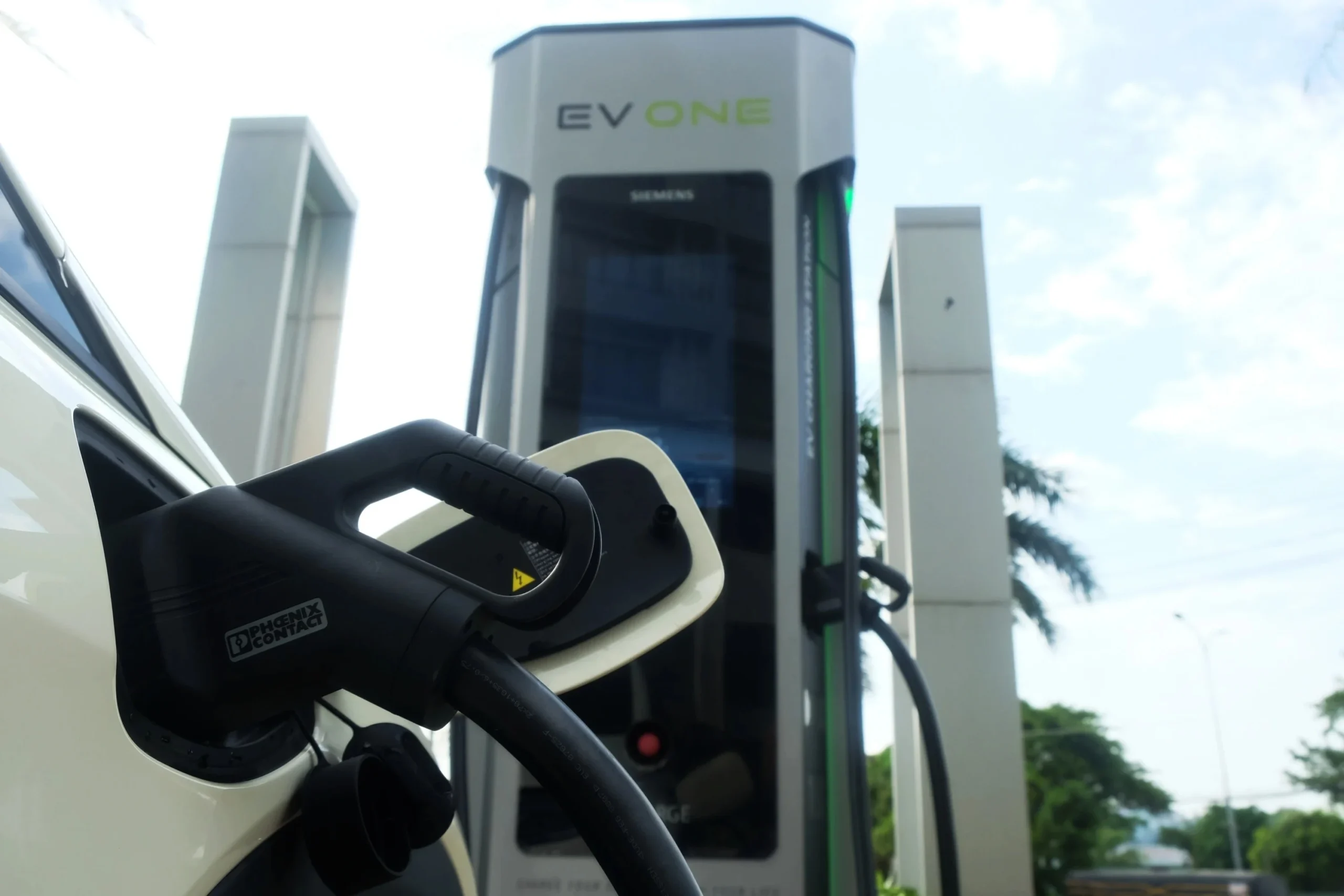
- Third‑party stations (Charge+, EV One, EverCharge, Rabbit) charge VND 5 000–8 000 per kWh. For a BYD Atto 3 (49.9 kWh battery, ~410 km range) a top‑up would be about VND 150 000.
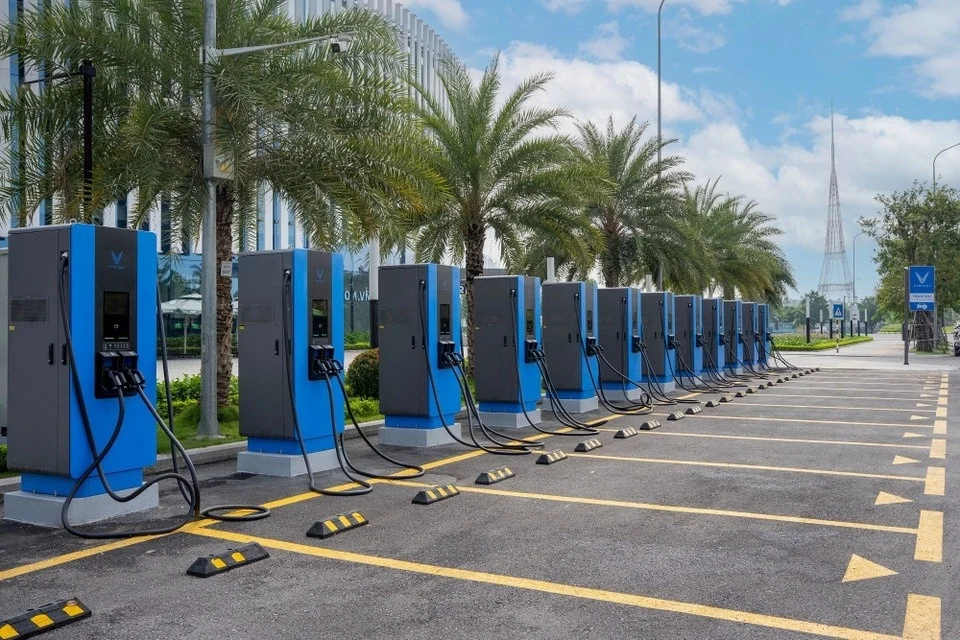
- Infrastructure: Private charging networks are expanding, but coverage is still uneven in the Mekong Delta. Planning a stop at a known station is essential.
Practical Tips for a Smooth Tet Road Trip
- Map out all highway toll points and keep a prepaid electronic toll account ready.
- If driving a gasoline car, fill the tank before leaving HCMC to avoid the limited stations on the newer sections.
- For EVs, identify at least one compatible fast‑charging station along the route (e.g., near Cần Thơ or Bến Tre) and schedule a short break there.
- Avoid driving continuously for more than 4 hours without a rest; this keeps the driver alert and complies with local regulations.
- During the Tet rush, many families travel simultaneously, which can cause “charging queue” delays at popular stations. Arriving early or selecting off‑peak charging times helps.
Bottom Line
Electric cars clearly win on operating cost – a single recharge is far cheaper than filling a gasoline tank, and VinFast owners may even charge for free. However, the current charging‑station density outside the VinFast ecosystem means gasoline vehicles still offer the most convenient, “ready‑to‑go” experience for a one‑time road trip.
Whichever powertrain you choose, the most important preparation is a well‑planned itinerary that includes safe rest stops and verified charging locations. A confident, well‑rested driver ensures a joyful Tet reunion with family back in the West.