
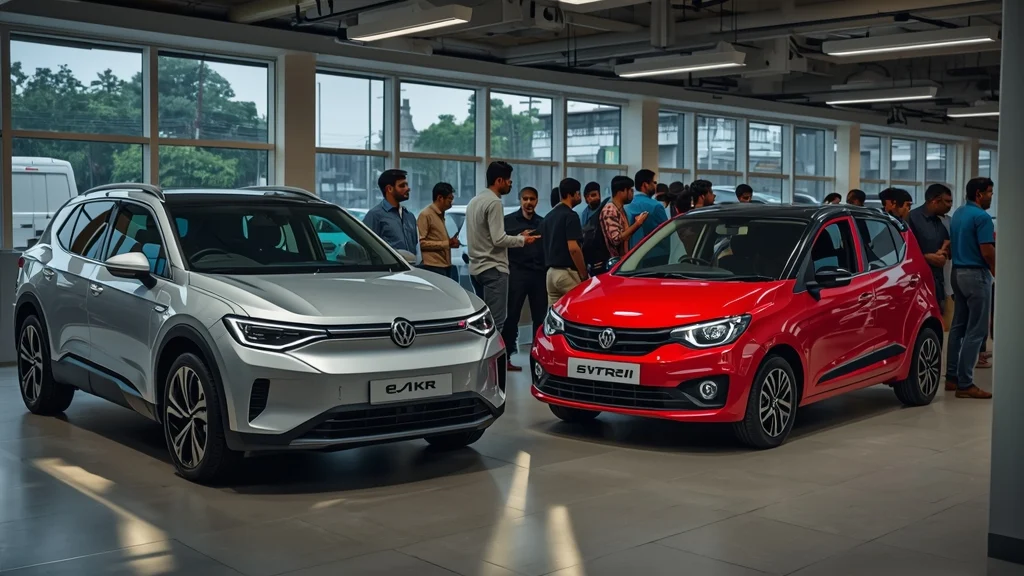
Explore why European car makers still face hurdles in India’s auto market despite a steep import‑tax cut, and what the future holds. Learn more now!
The European Union recently struck a trade pact with India, cutting import duties on EU‑built cars from a peak of 110% to just 10% for models priced above €15,000. The move was hailed as the biggest opening of the Indian auto market for brands such as Volkswagen, Mercedes‑Benz, BMW and Renault.
Tariff Cut – A Door Slightly Ajar
Despite the dramatic reduction, analysts say the agreement “only loosens the door”. Indian consumers continue to favor home‑grown and Asian rivals, especially Suzuki and Hyundai, whose compact, inexpensive models like the Maruti Suzuki Wagon R undercut even the Mini Cooper.
Price Sensitivity Rules the Road
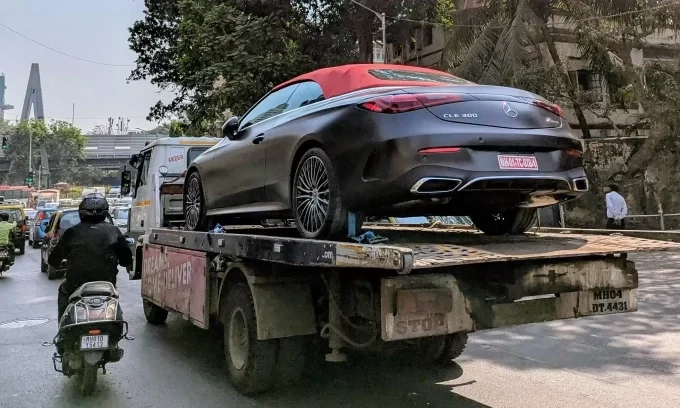
Stefan Bratzel, director of Germany’s CAM Automotive Research Institute, notes, “European cars exported to India are mainly premium vehicles. Penetrating the mass‑market segment is far tougher.” He adds that Suzuki and Hyundai “understand the Indian market better – buyers need cars that are cheap, durable and reliable, whereas many Volkswagen models are still out of reach.”
European Brands Hold Less Than 3% of the Market
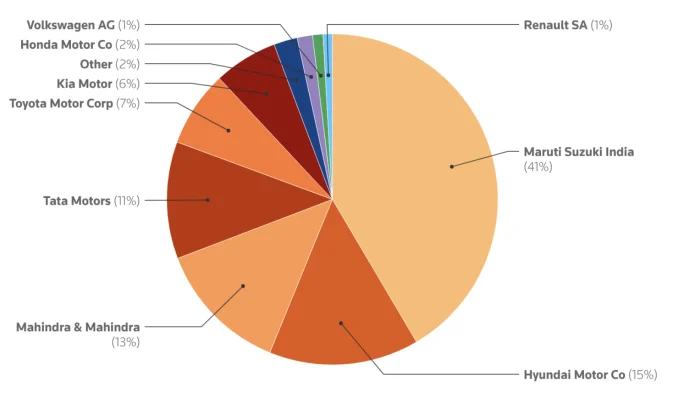
Production footprints remain limited and sales hover at a few tens of thousands of units per year, leaving ample room for growth after a decade of decline. According to Indian industry data, European makes account for under 3% of total vehicle sales, while Suzuki, Mahindra and Tata together dominate roughly 66% of the market.
Industry Leaders Welcome the Deal
The German Automotive Industry Association (VDA) called the pact “significant for Germany’s export‑driven economy.” CEOs of Volkswagen, Mercedes‑Benz and BMW publicly welcomed the reduced barriers, even as VDA chair Hildegard Mueller warned that “many obstacles still remain.”
Volkswagen CEO Oliver Blume said his company will examine the agreement’s details closely. Renault’s Fabrice Cambolive added that India “moves up the priority list” for the French automaker, emphasizing the brand’s deep ties to the sub‑continent.
Growth Potential on the Horizon
With high import duties still looming in the United States and fierce competition in China, many manufacturers are looking eastward. Forecasts suggest India’s annual auto sales could rise by more than 33%, reaching 6 million units by 2030.
According to Reuters, Prime Minister Narendra Modi’s government has agreed to lower tariffs for a limited batch of EU‑origin vehicles priced above €15,000 (about $18,000). ING analyst Rico Luman describes the EU‑India deal as a “significant mid‑term opportunity” for European carmakers.
What Lies Ahead?
While the tax cut marks a positive step, European manufacturers must adapt to India’s price‑sensitive landscape, invest in local production, and tailor models to local tastes if they hope to expand beyond the premium niche.