
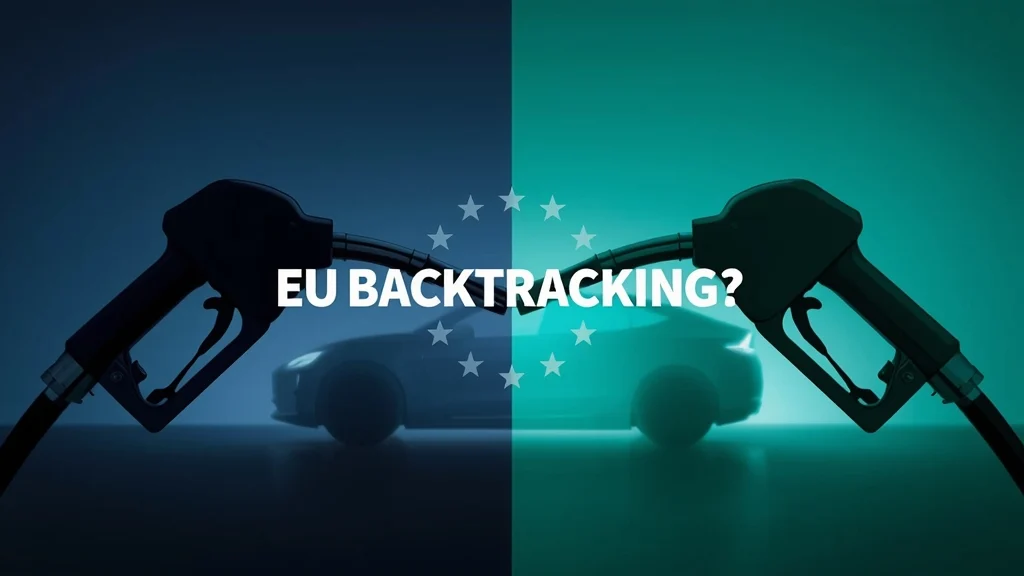
Facing pressure from German, Italian and other automakers, the EU may push back its 2035 internal‑combustion engine ban, reshaping the auto market. Find out what’s at stake.
The European Union is quietly re‑examining the landmark rule that would forbid the sale of new internal‑combustion engine (ICE) vehicles from 2035. Pressure from a coalition of leading carmakers—including Germany’s automotive giants and Italy’s Fiat‑Stellantis—has sparked a debate that could shift the ban by up to five years or even relax it indefinitely.
Why the EU is Backtracking
Originally adopted in 2023, the regulation required all new cars sold across the bloc’s 27 member states to be zero‑emission by 2035. The goal was to accelerate the transition from gasoline and diesel powertrains to battery‑electric or hydrogen‑fuel‑cell vehicles, and to penalise manufacturers that missed the target.
However, manufacturers argue that the deadline is increasingly unrealistic. Sales of electric cars in Europe have lagged behind expectations, with consumers hesitant to pay premium prices and a still‑growing charging infrastructure lagging behind demand. Meanwhile, Chinese rivals such as BYD and Geely are flooding the market with cheaper electric models, intensifying competition for European firms.
Industry Voices Speak Out
“This is a serious mistake in industrial policy,” warned Manfred Weber, head of the European People’s Party (EPP) group in the European Parliament, on 12 December. His comments reflect a growing split within the sector.
Traditional automakers – notably Volkswagen and Stellantis, the parent of Fiat – have openly lobbied for a softer timeline, arguing that a rigid 2035 ban would erode their competitive edge against low‑cost Chinese EVs. In contrast, the electric‑vehicle lobby contends that any dilution of the rule would hand additional advantage to China and stall vital investment in clean‑tech R&D.
Potential Regulatory Adjustments
In March, the EU granted the automotive industry a three‑year “breathing room” to meet its 2025 emissions targets. Yet many manufacturers still want to keep ICE models on the market alongside plug‑in hybrids and vehicles powered by CO₂‑neutral fuels – including bio‑fuels derived from agricultural waste and used cooking oil.
European Commission President Ursula von der Leyen signalled in October that the bloc is open to considering advanced synthetic e‑fuels and next‑generation bio‑fuels as interim solutions. If approved, these fuels could allow ICE cars to remain compliant with EU climate goals, at least on paper.
What’s at Stake for the EV Market?
Automakers are also pushing for a phased approach to the EU’s 55 % emissions‑reduction target for 2030, requesting that the 50 % cut for small vans be removed and that the overall goal be spread across several years. Germany, for example, is urging the EU to count low‑carbon steel usage toward its CO₂ reductions.
Meanwhile, the European Commission is preparing a detailed plan to boost electric‑car adoption in corporate fleets – a segment that accounts for roughly 60 % of new vehicle sales across Europe. Industry groups argue that incentives, rather than mandatory targets, are the most effective way to accelerate EV uptake, pointing to Belgium’s successful subsidy scheme as a model.
Environmental Groups Push Back
Environmental NGOs remain skeptical. They argue that bio‑fuels are not truly carbon‑neutral, are scarce, and would increase costs for consumers. Many advocate keeping the 2035 ICE ban intact, warning that any delay could set Europe back further behind the United States and China on clean‑mobility leadership.
Looking Ahead
The EU’s final decision is expected later this year. Whether the bloc opts for a hard deadline, a flexible timeline, or a mixed‑fuel compromise will shape the future of the European automotive landscape, influencing everything from supply‑chain investments to consumer pricing.
Stay tuned for updates as European policymakers, car manufacturers, and climate advocates negotiate the next chapter in the continent’s drive toward zero‑emission transport.