
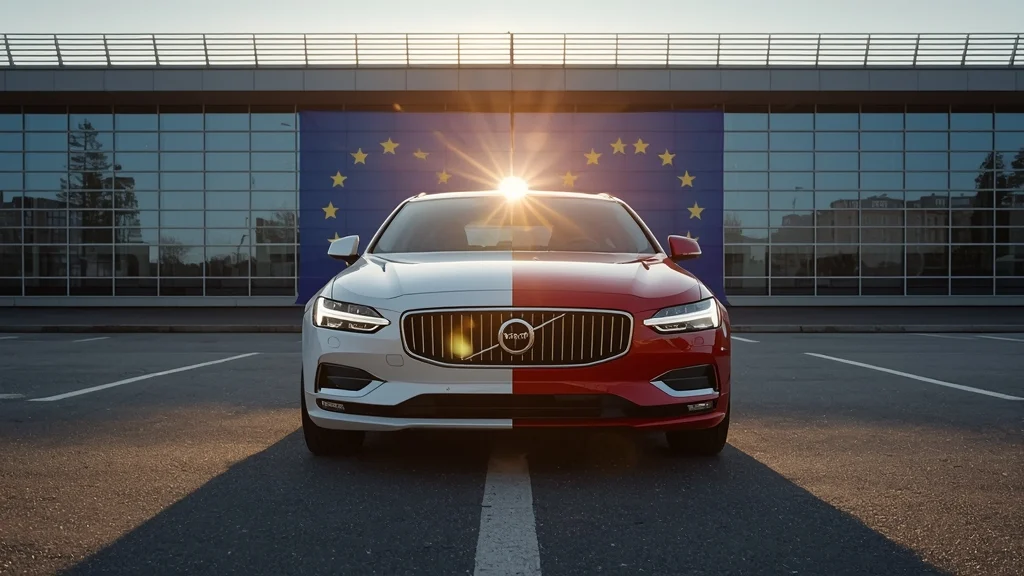
EU proposes to relax its internal combustion engine ban, sparking fierce debate among carmakers. Discover the stakes and next steps – read more now!
On 16 December, the European Commission unveiled a revised climate package that dilutes its 2035 target for zero‑emission vehicles from 100% to 90% and rolls back the outright ban on internal‑combustion‑engine (ICE) cars. While the move aims to give manufacturers more flexibility, it has ignited a sharp divide across the auto sector.
Supporters hail the pragmatic shift
German giants such as BMW welcomed the change, calling it "an important first step" that recognises the technical feasibility of ICE power in the coming years. Steffen Kawohl, policy adviser at the German SME Association (DMB), warned that abandoning the ban could slow the transition but stressed that a gradual approach still allows Europe to move away from fossil‑fuel vehicles.
Mercedes‑Benz described the proposal as a “right‑track move toward greater technological flexibility for manufacturers,” while German Chancellor‑in‑waiting Friedrich Merz praised the “more open, market‑friendly” regulations as key to balancing climate goals with jobs and industry competitiveness.
Italian Foreign Minister Antonio Tajani highlighted that the EU’s decision protects roughly 70,000 jobs in Italy alone. Volkswagen’s spokesperson called the plan “economically sensible,” and French automaker Renault echoed the sentiment, noting the opportunity to introduce sub‑4.2‑metre electric city cars.
Critics warn of a backslide
Stellantis, the parent of Fiat, Jeep, Maserati and Peugeot, argued the package fails to provide a viable pathway for the light‑commercial‑vehicle segment and lacks the flexibility the industry needs through 2030. Climate‑focused NGO Climate, represented by transport director Dominic Phinn, condemned the softened timeline as “contrary to the massive investments European manufacturers are making in pure‑electric fleets.”
Chris Heron, secretary‑general of E‑Mobility Europe, warned that Europe risks falling behind the global race for electric mobility if it re‑opens doors to plug‑in hybrids and bio‑fuels.
Even Volvo, which has built a full electric line‑up in under a decade, voiced strong opposition, saying its own success proves a complete shift to EVs is feasible for the whole industry.
What the new rules actually entail
- Manufacturers may continue selling plug‑in hybrid (PHEV) and range‑extended electric vehicles beyond 2035.
- Companies that cannot meet a 100 % CO₂‑free target must purchase carbon credits to offset the shortfall.
- CO₂‑neutral fuels, including advanced bio‑fuels derived from waste oil and low‑carbon “green steel,” will count toward emission reductions.
- Flexibility granted to ICE producers will not be combinable with the zero‑emission totals of pure‑EV brands such as Tesla or Polestar.
Looking ahead
The revised proposal reflects intense lobbying from manufacturers seeking a smoother transition, while climate activists push for the original, stricter targets. How the EU balances these competing pressures will shape the continent’s automotive landscape for the next decade.
Stay tuned for further updates on the EU’s climate package and its impact on global car markets.