
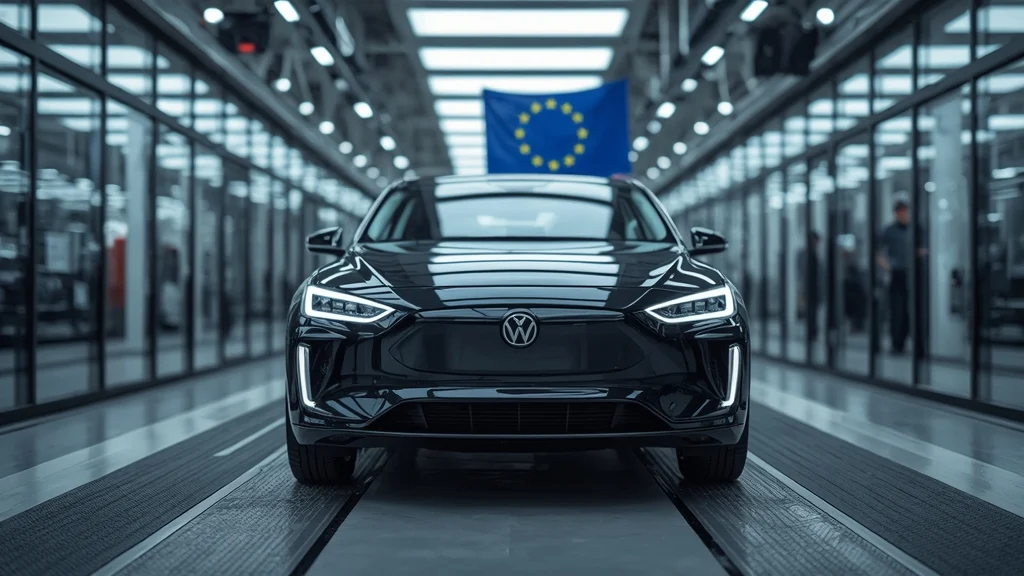
EU’s new ‘Made in Europe’ industrial bill targets EVs, batteries and clean energy, prompting sharp criticism from China. Discover the impact on the auto sector.
The European Commission has unveiled a bold draft called the Industrial Promotion Bill, placing a strong emphasis on “Made in Europe” for strategic sectors such as electric vehicles (EVs), battery cells, solar panels and critical raw materials. While the move aims to safeguard European manufacturing capacity, it has instantly drawn a fierce rebuke from China’s Ministry of Commerce, which brands the new rules as protectionist barriers that breach World Trade Organization (WTO) norms.
What’s Inside the ‘Made in Europe’ Bill?
The proposal sets out a series of conditions for non‑EU firms that wish to sell in the bloc. Companies from countries that command more than 40% of global production in a specific field – a threshold clearly aimed at China – would have to meet several criteria:
- At least 50% of the workforce must be EU citizens.
- Foreign ownership cannot exceed 49%.
- One percent of worldwide turnover must be invested in R&D activities carried out within the EU.
In addition, public procurement for EVs and related components will only consider products that achieve a 70% localisation rate in the EU. Certain battery components, however, will be exempt.
China’s Strong Opposition
China’s Ministry of Commerce denounced the draft as a “serious investment barrier and institutional discrimination”. It argued that the measures violate WTO principles of non‑discrimination and could trigger retaliatory trade actions. The Chinese government also warned that such restrictions threaten the global supply chain for EVs – an industry where China currently leads in export volume.
Localization Requirements for EVs and Batteries
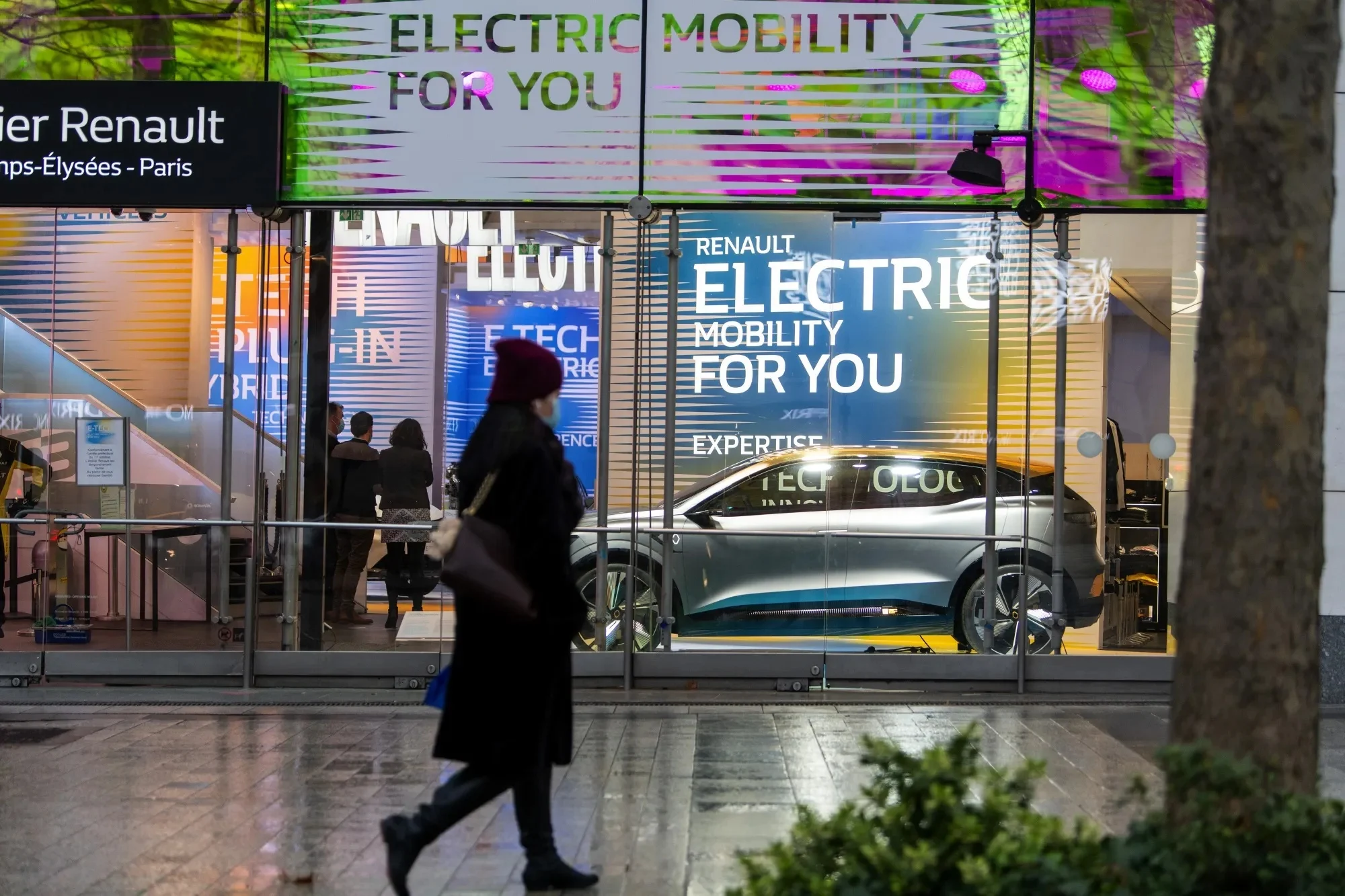
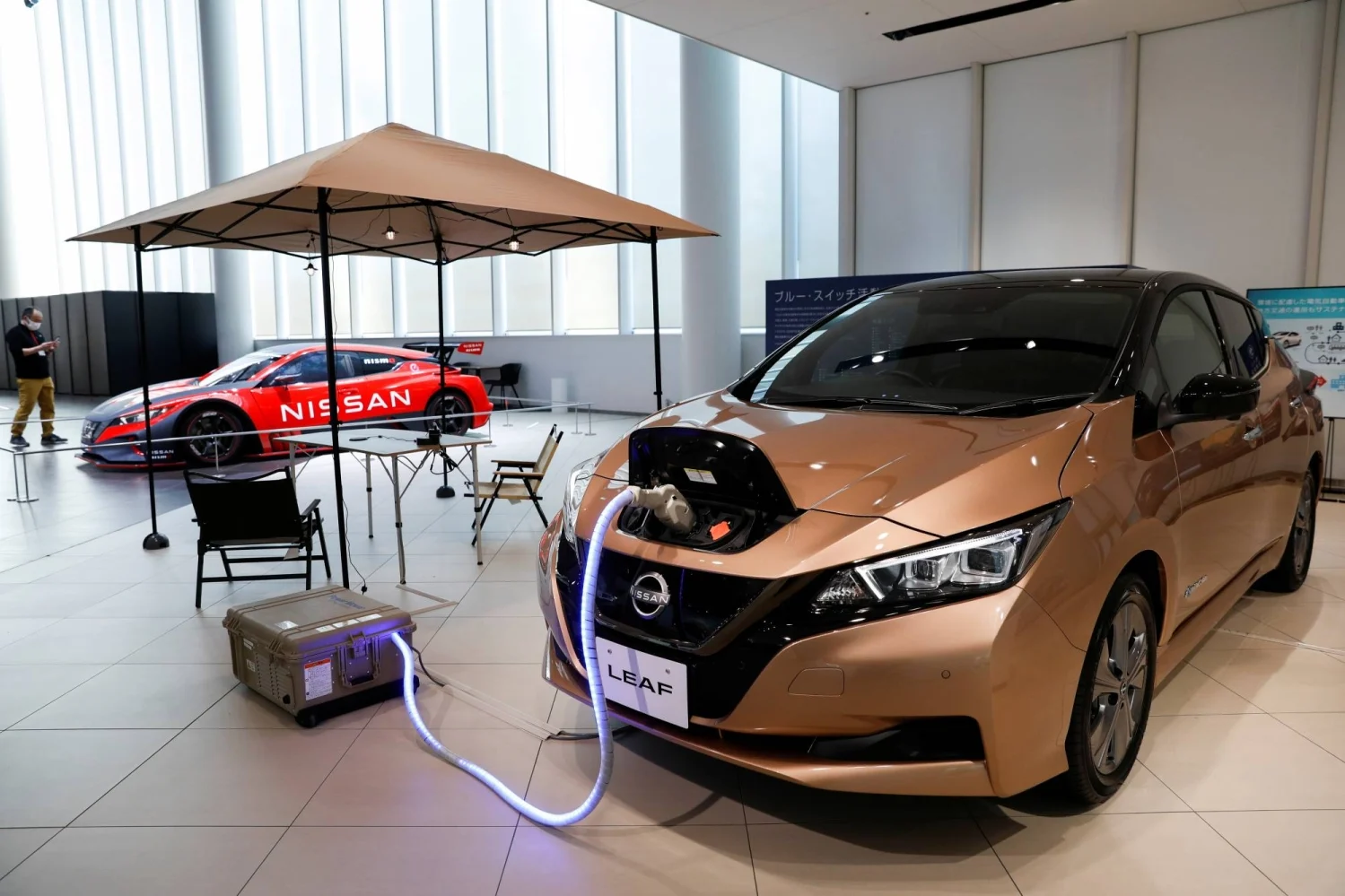
Electric vehicles are one of China’s flagship export products. Under the draft, an EV‑maker would need to ensure that at least 70% of the vehicle’s value‑added content originates from EU sources to qualify for public‑sector contracts. While the rule is intended to spur local production, it could raise costs for manufacturers that rely heavily on Chinese‑made batteries and modules.
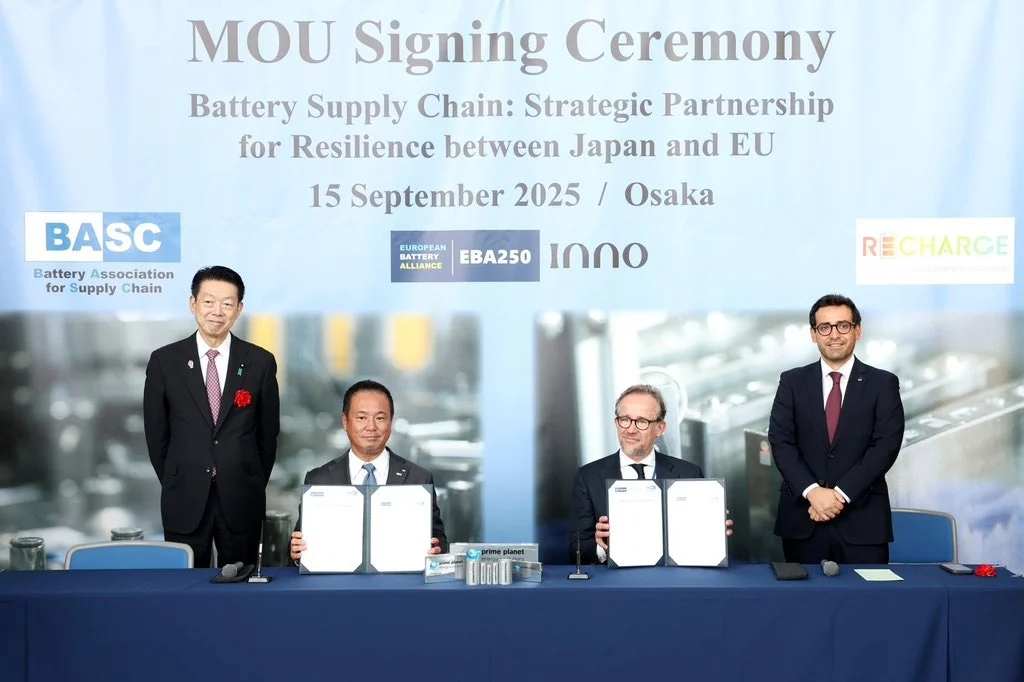
Battery cells themselves occupy a gray area: many of the critical components are exempt, which reflects Europe’s current dependence on Japanese and South Korean battery producers, who together account for the majority of EU‑based capacity.
Implications for European Auto Jobs
The automotive sector in Europe is already grappling with job losses. Since 2024, roughly 200,000 positions have disappeared, and forecasts suggest that vehicle manufacturing could shed an additional 600,000 jobs over the decade. Brussels presents the bill as a structural intervention designed to retain industrial expertise and prevent a deeper decline.
EU Member‑State Divide
Passing the legislation will require approval by the European Parliament and all 27 member states – a process that could stretch over one to two years. Internal disagreements are shaping the final text:
- France pushes for stricter protectionist measures.
- Germany favours broader inclusion of supply‑chain partners.
- Nordic and Baltic nations warn that overly tight limits could deter investment.
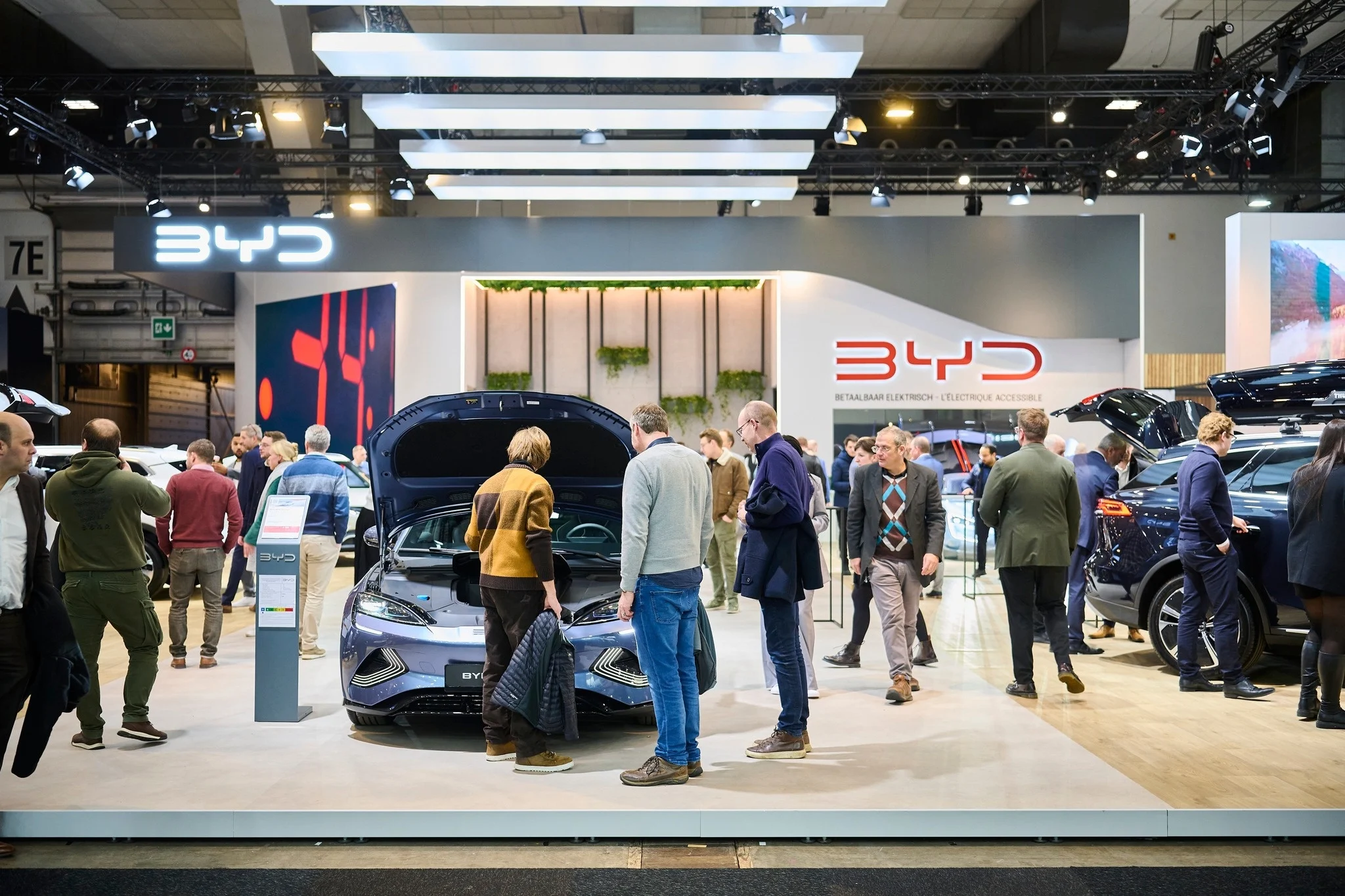
- Hungary, home to BYD’s European headquarters and its first large‑scale factory slated for 2026, is among the loudest opponents.
Potential Global Ripple Effects
The draft also defines “EU origin” to cover all countries with which the bloc has a free‑trade agreement – roughly 40 nations, including the United Kingdom, Japan and South Korea. Notably, the United States and China are excluded, meaning their products would not benefit from the preferential treatment.
Should the bill become law, it could reshape global automotive supply chains, incentivise relocation of production to Europe, and heighten trade tensions between the EU and China. Analysts will be watching for any reciprocal measures from Beijing that could affect European exporters in other sectors.
In short, the “Made in Europe” agenda is a high‑stakes gamble: it seeks to revive a waning European car industry while navigating the delicate balance of global trade politics.