
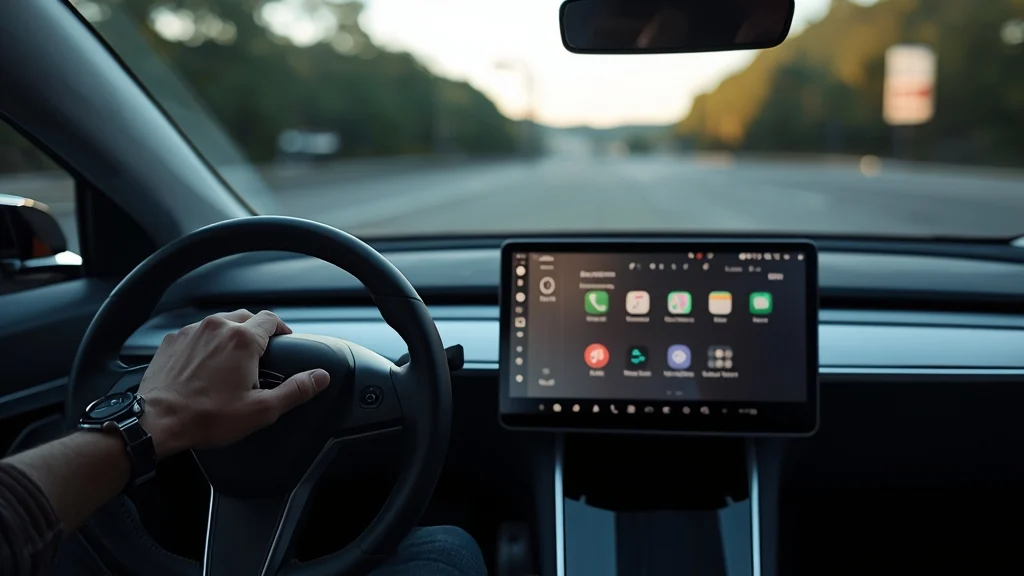
EuroNCAP mandates physical buttons for critical functions, risking safety ratings of touchscreen‑heavy cars like Tesla. See how it may reshape car design.
Europe’s leading vehicle safety assessment programme, EuroNCAP, has announced a new rule that could shake up the design of modern cars. Starting this year, manufacturers must retain dedicated physical buttons for a set of essential functions – otherwise their safety rating could lose a star in the coveted five‑star system.
What the new rule covers
EuroNCAP’s latest criteria require that the following functions be operable via tactile, non‑touchscreen controls:
- Turn signals
- Windshield wipers
- Hazard warning lights
- Horn
- Emergency SOS call
If a vehicle relies solely on a central touch display for any of these actions, it will be penalised with a deduction of one safety star.
Why physical buttons matter
Industry experts argue that a driver’s eyes should stay on the road, not on a menu that requires multiple taps or swipes. As Frank Mütze, a spokesperson for the European Transport Safety Council, explains, “The more time a driver spends fiddling with a screen, the less attention they give to the road ahead.” Physical buttons provide immediate, muscle‑memory feedback, reducing distraction during critical moments.
Impact on manufacturers
Most new‑generation cars already keep physical knobs for basic operations, but some premium models have moved almost entirely to digital interfaces. The rule gives automakers roughly three years to adjust interior layouts if they want to preserve their high safety scores.
Tesla’s challenge
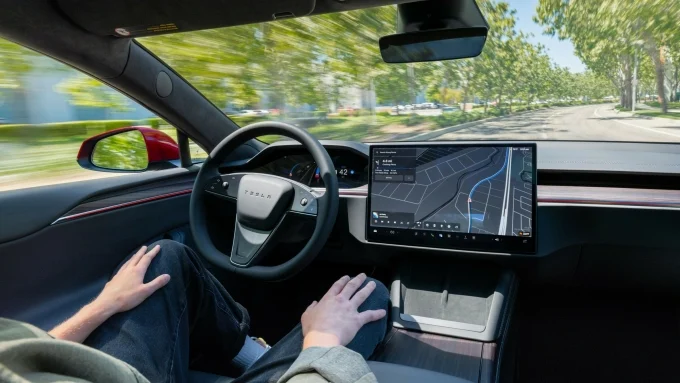
Tesla’s Model 3 and Model Y are flagship examples of the touchscreen‑centric trend. While the vehicles retain a simple rain‑sensor lever, functions such as high‑beam activation, turn‑signal flashing patterns, and even gear changes are accessed through the central screen. The lack of dedicated knobs could force the brand to lose a EuroNCAP star unless it adds backup hardware that meets the new size requirement (minimum 10 × 10 mm).
China follows suit
China’s regulatory bodies are reportedly drafting similar standards. A recent proposal would mandate physical switches or buttons for core functions – including turn signals, emergency calls, and gear shifting – with the same minimum dimension as Europe’s rule. This parallel move underscores a growing global consensus that fully digitised cockpits may compromise driver safety.
Global repercussions
Europe and China together represent two of the world’s largest automotive markets. Designing separate interior architectures for each region would be costly for manufacturers. Consequently, the industry is likely to adopt a unified approach that preserves physical controls for critical safety features across all markets.
What’s next?
The EuroNCAP decision is just the first step. As regulators consider making physical‑button requirements mandatory, we can expect further refinements to vehicle interior standards worldwide. For consumers, the shift promises a return to more intuitive, distraction‑free driving experiences, even as cars become increasingly connected and software‑driven.
Stay tuned for updates on how these regulations reshape the future of car design and safety.