
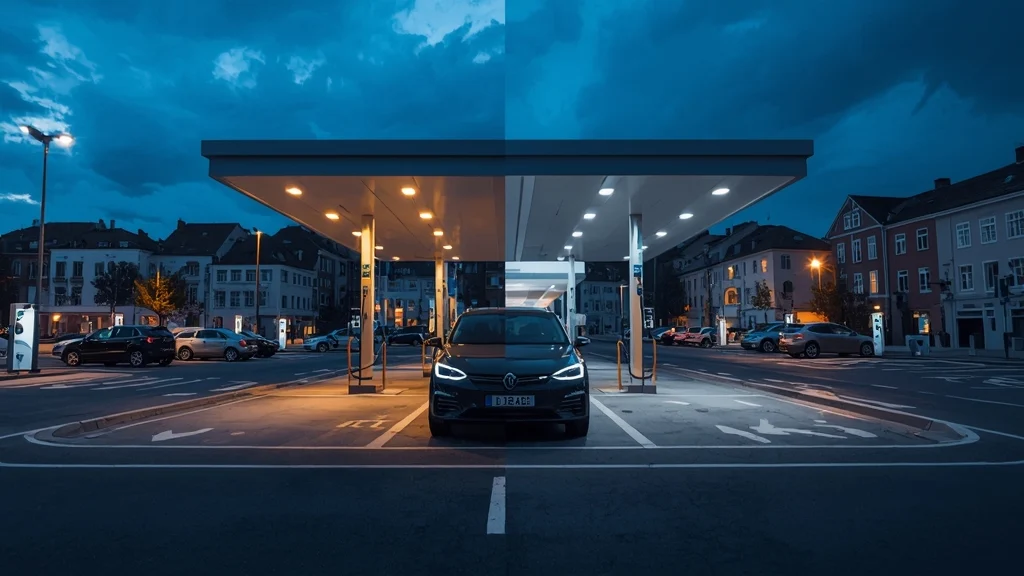
Explore why northern Europe dominates EV sales while southern regions lag, and how the EU may ease emission targets. Read more now.
In recent years the European Union has rolled out ambitious programmes to accelerate the shift to electric vehicles (EVs). The goal is clear: cut tailpipe emissions, meet long‑term climate targets and steer the continent away from fossil fuels. Yet the rollout is anything but uniform.
Northern Europe Takes the Lead
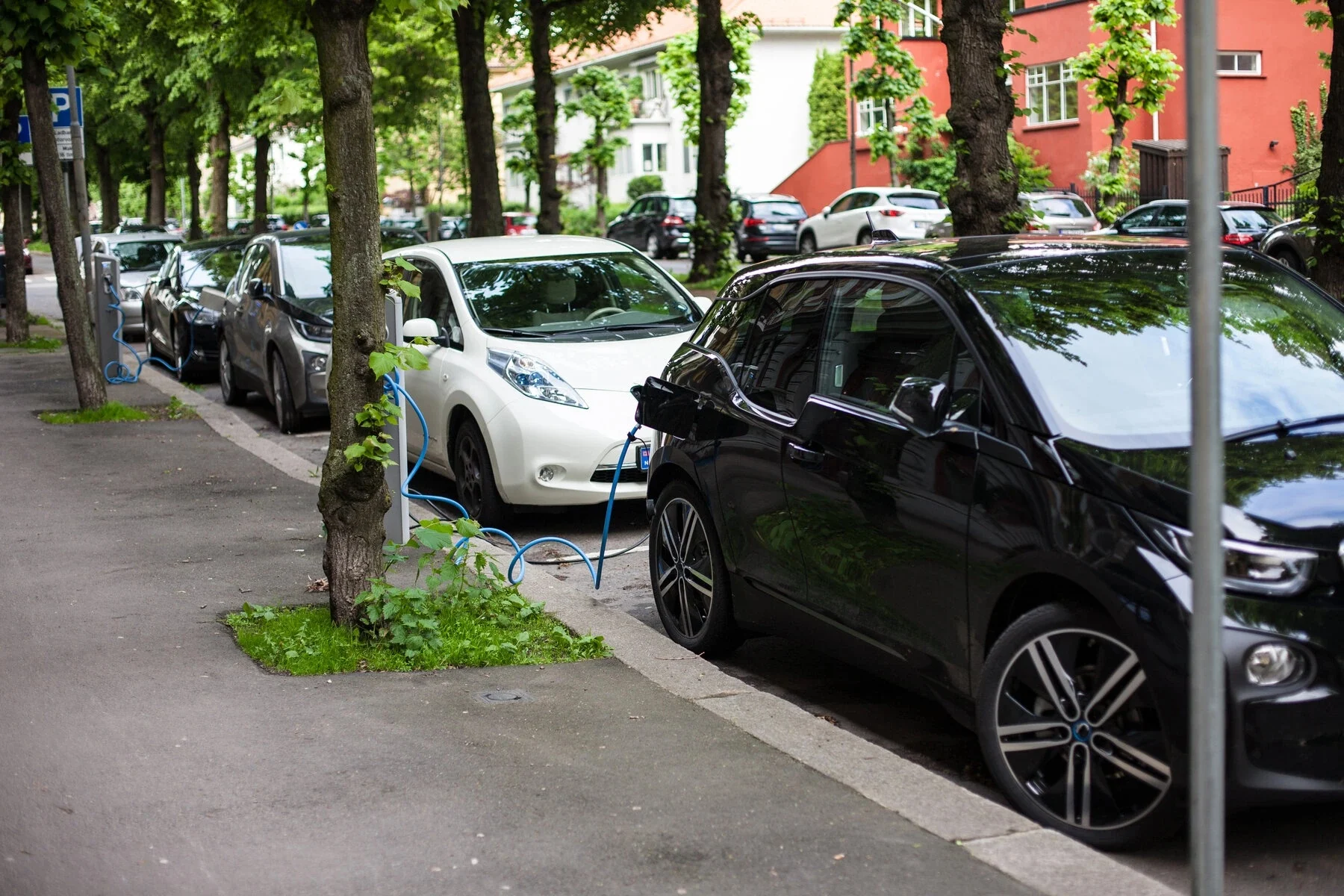
Countries in the north and west are sprinting ahead. Norway stands out as the poster child – the government channels oil‑fund revenues into EV subsidies and a fast‑growing charging network. According to the consultancy Inovev, EVs accounted for 94% of all new car registrations in Norway during the first seven months of 2025.
Sweden, Denmark, Finland and several western nations have followed suit with coordinated grant schemes and public‑private charging projects. The result is a clear surge in consumer demand and a market that feels almost saturated with electric models.
Southern and Eastern Europe Struggle to Catch Up
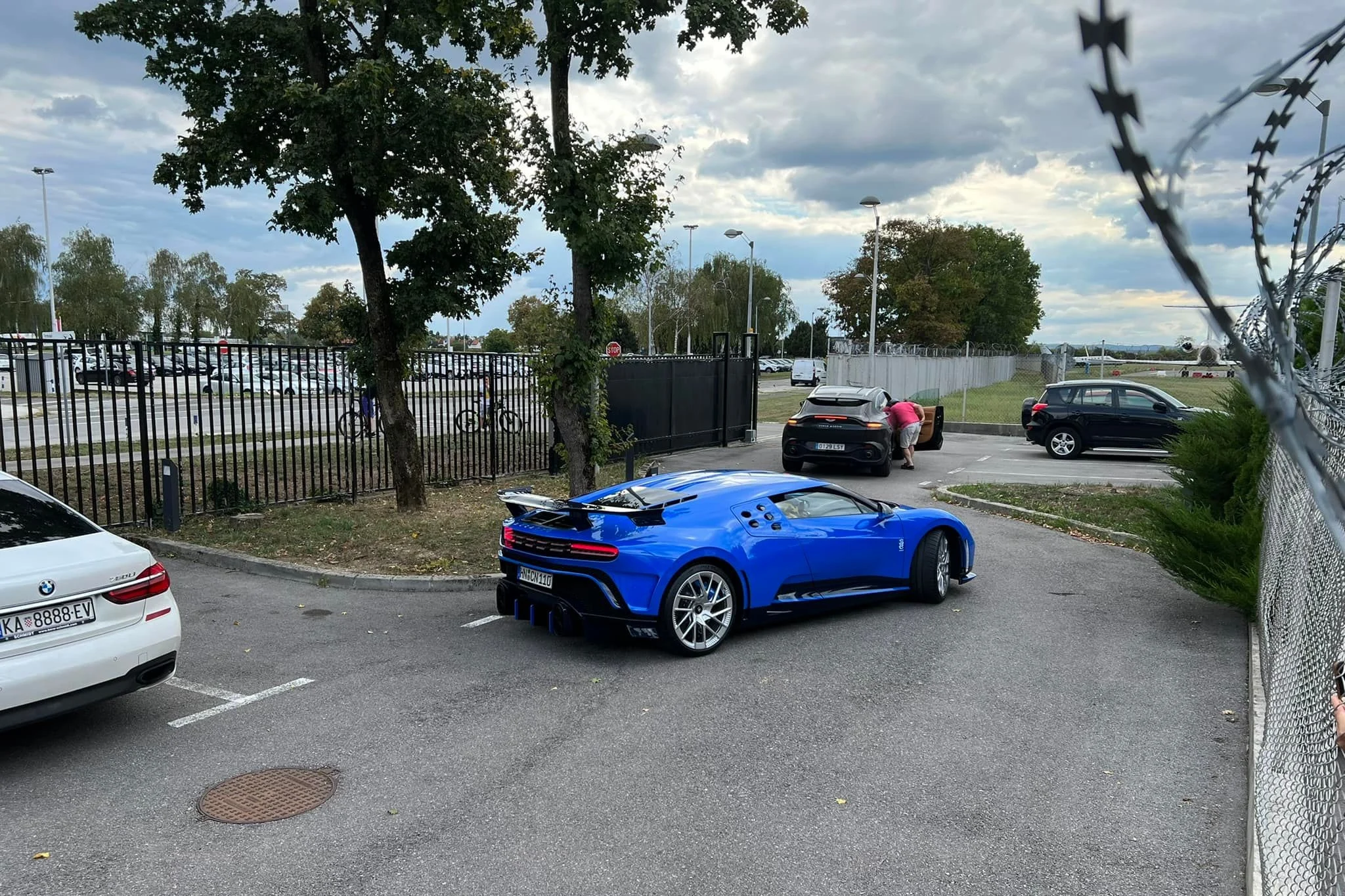
South‑east Europe tells a different story. High upfront prices, limited charging points and a lack of fiscal incentives keep EV market share in the single digits. Croatia, for instance, recorded EVs at roughly 1% of new car sales in the same period, according to Inovev data.
Many parts of the Balkans and the former Soviet bloc still lack a reliable network of public chargers, making long‑distance travel in an EV impractical for most drivers.
EU Policies and Market Realities
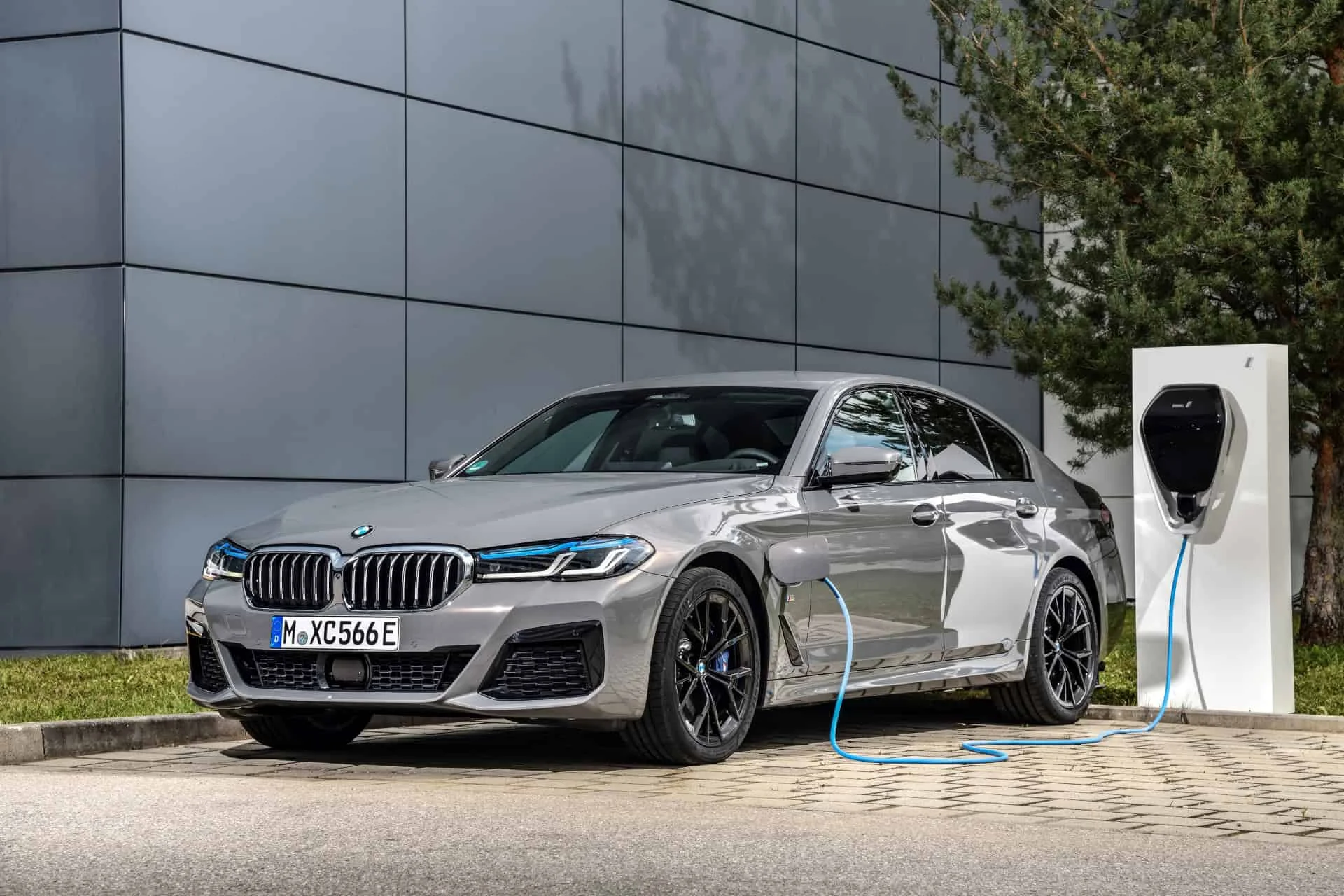
At the bloc level, the EU has earmarked funds to expand charging infrastructure and to subsidise vehicle purchases. However, the impact varies country by country. In Spain, the subsidy framework has unintentionally favoured affordable Chinese EV models, which undercut European manufacturers on price.
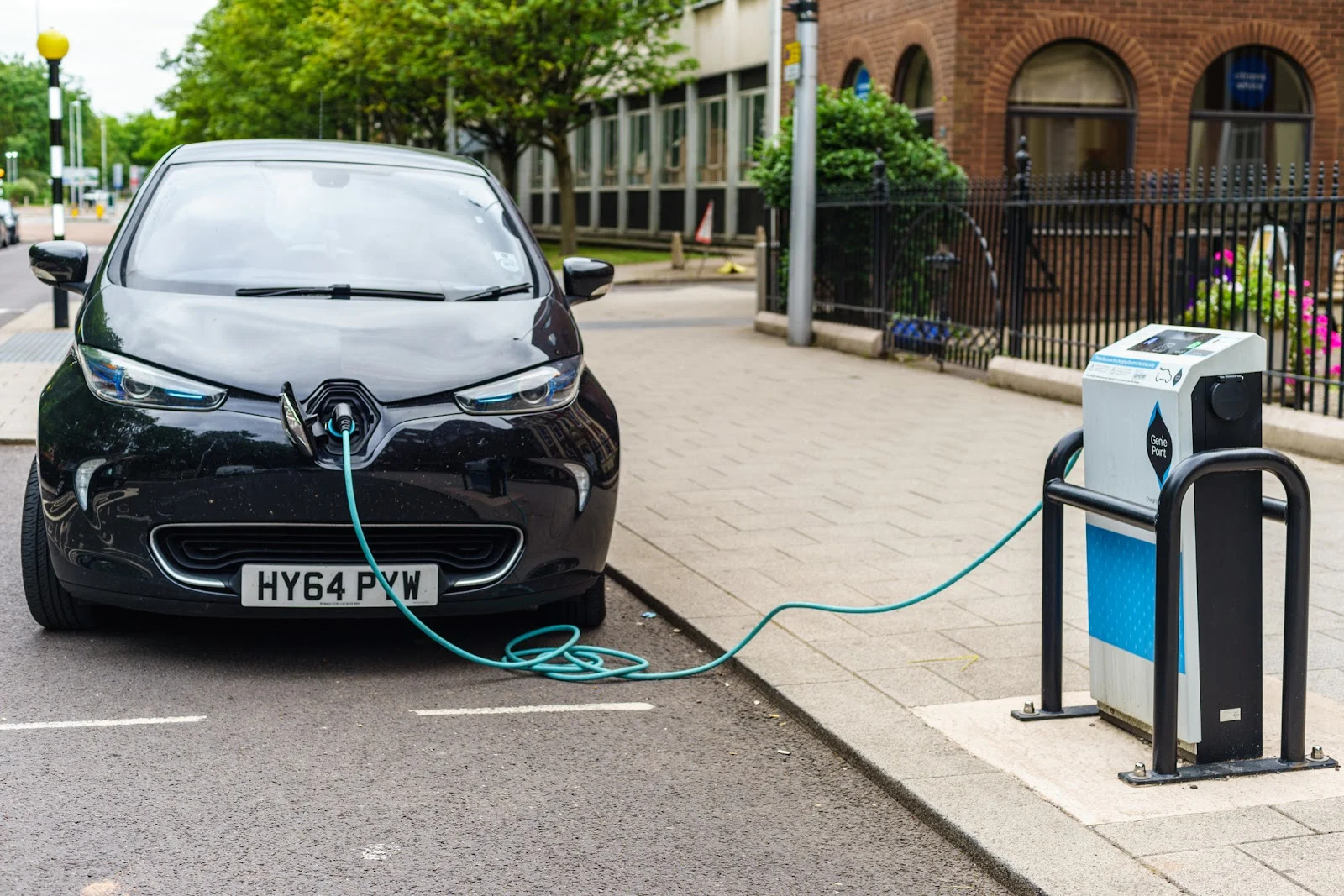
European carmakers are feeling the pressure. Renault, for example, has recently trimmed its ambitious charging‑network rollout, choosing to prioritise profitability amid a challenging market environment.
Potential Shift in Emission Targets
Faced with industry pushback, the EU is reconsidering its 2035 emission‑free vehicle target. Officials propose a softer timeline after automakers warned that consumer uptake is slower than expected and that manufacturers need more time to transition from internal‑combustion engines to electric powertrains.
This move raises concerns that investment in charging infrastructure could stall, threatening the momentum built in the north.
What Lies Ahead?
- Continued divergence between affluent northern markets and price‑sensitive southern economies.
- Potential re‑balancing of subsidies to ensure fair competition for European brands.
- Urgent need for EU‑wide charging standards to level the playing field.
- Policy adjustments that keep climate goals realistic while supporting industry growth.
The European EV landscape remains in flux. Balancing environmental ambitions, consumer affordability and economic competitiveness will be the defining challenge for policymakers in the years to come.