
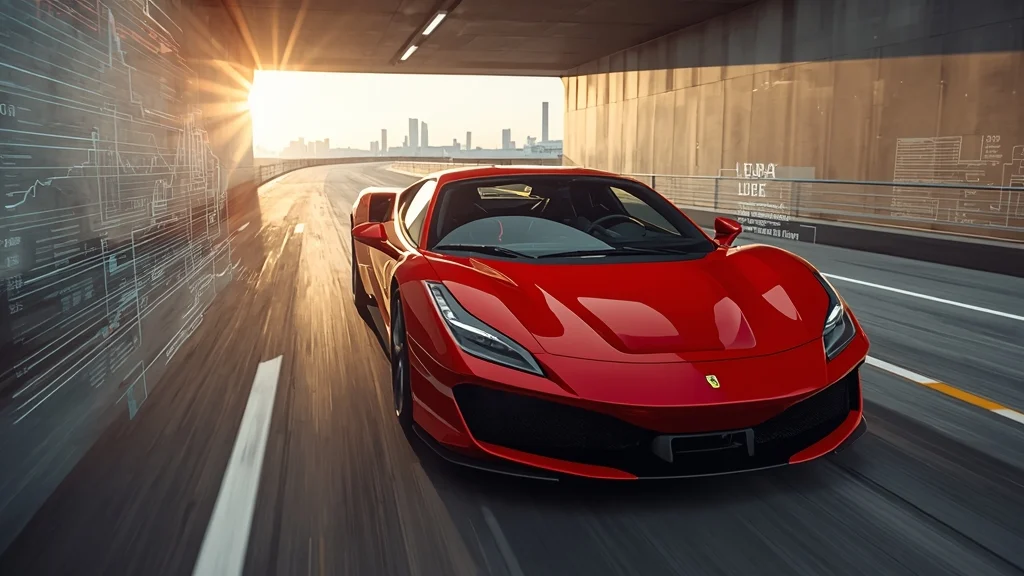
Discover how the Ferrari Luce electric car employs NASA‑derived acceleration tech to deliver an emotionally charged driving experience. Learn more today!
Even as the luxury electric‑car market faces a host of technical and emotional challenges, Ferrari remains steadfast in its plan to launch its first EV, the Ferrari Luce. The iconic brand believes the new model can still deliver the visceral excitement that has defined its heritage.
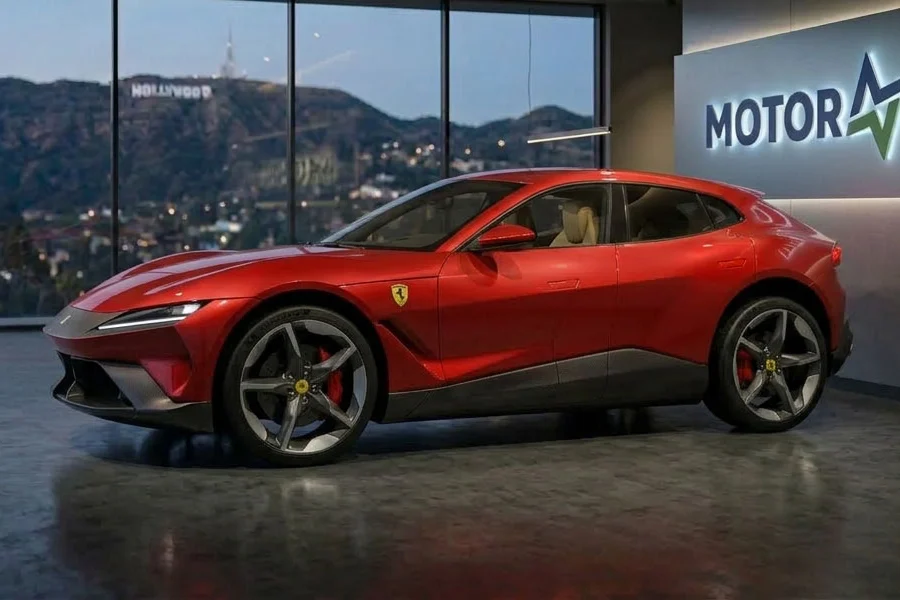
A New Direction for Ferrari’s First EV
CEO Benedetto Vigna recently outlined five key pillars that the Luce must satisfy to spark genuine driver enthusiasm. By addressing the common shortcomings of many current electric cars—namely a lack of emotional connection and driver feedback—Ferrari hopes to set a new benchmark for high‑performance EVs.
NASA Collaboration Targets Human‑Centric Acceleration
One of the most critical pillars is longitudinal acceleration. Vigna explained that many electric cars accelerate in a perfectly linear, sometimes overly aggressive manner that can feel “uncomfortably intense” to the brain. To solve this, Ferrari teamed up with NASA engineers to study the acceleration thresholds that human occupants can tolerate without discomfort.
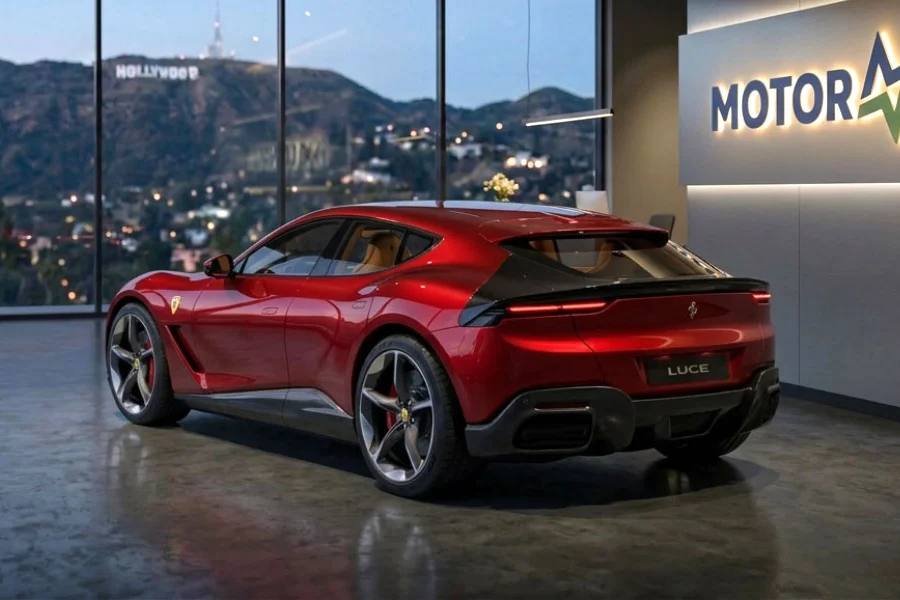
The research revealed that fine‑tuning the feel of acceleration—rather than simply pushing power to its absolute limit—creates a more engaging and less jarring experience. This human‑centric approach is now being integrated into the Luce’s power‑train control algorithms.
Beyond Power: Lateral Grip, Braking, Shifting & Sound
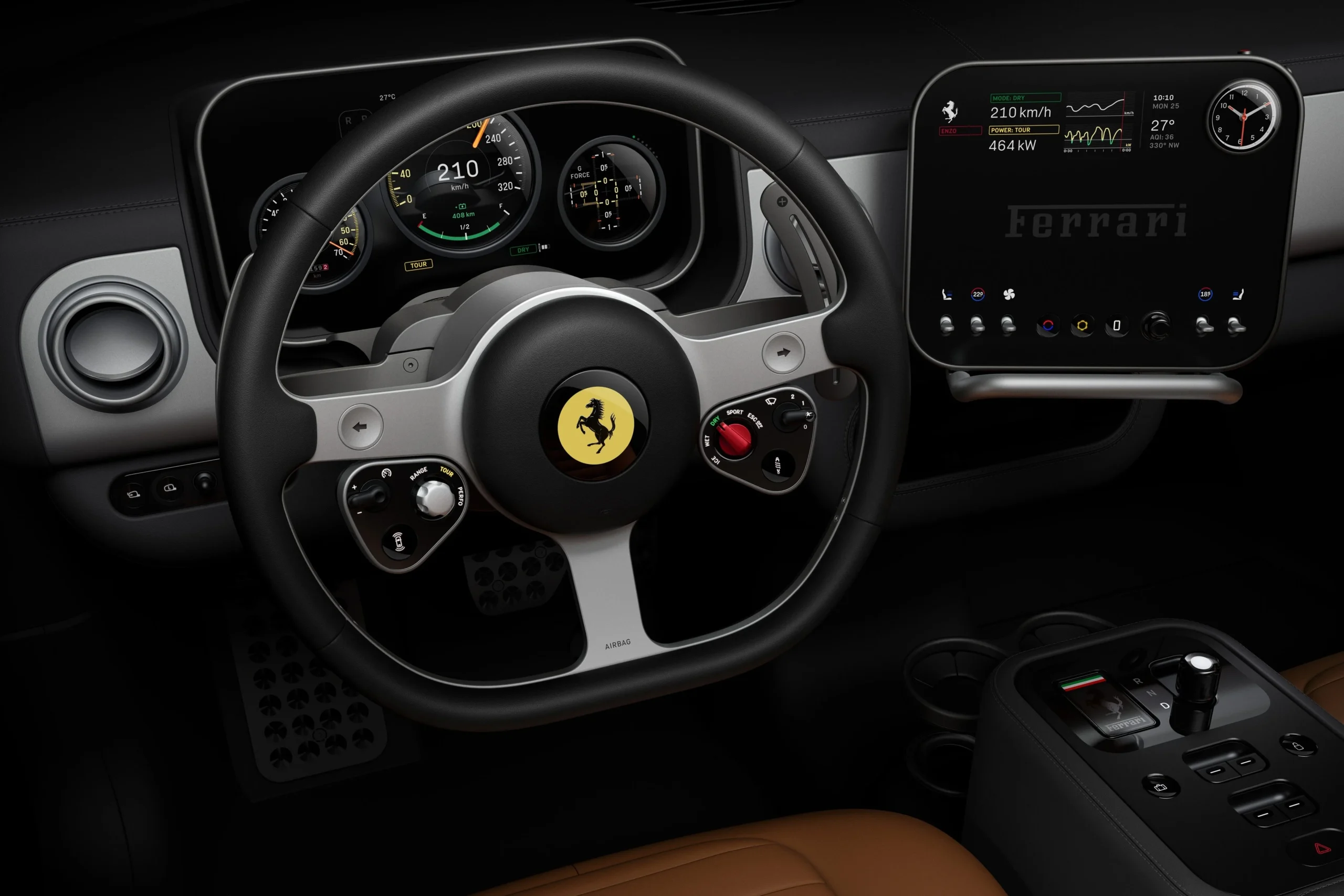
Ferrari is also focusing on lateral acceleration, braking feedback, gear‑shift dynamics, and, perhaps most importantly, sound. Inside the cabin, a new rotary shift lever placed behind the steering wheel will modulate torque delivery instead of relying on traditional regenerative braking.
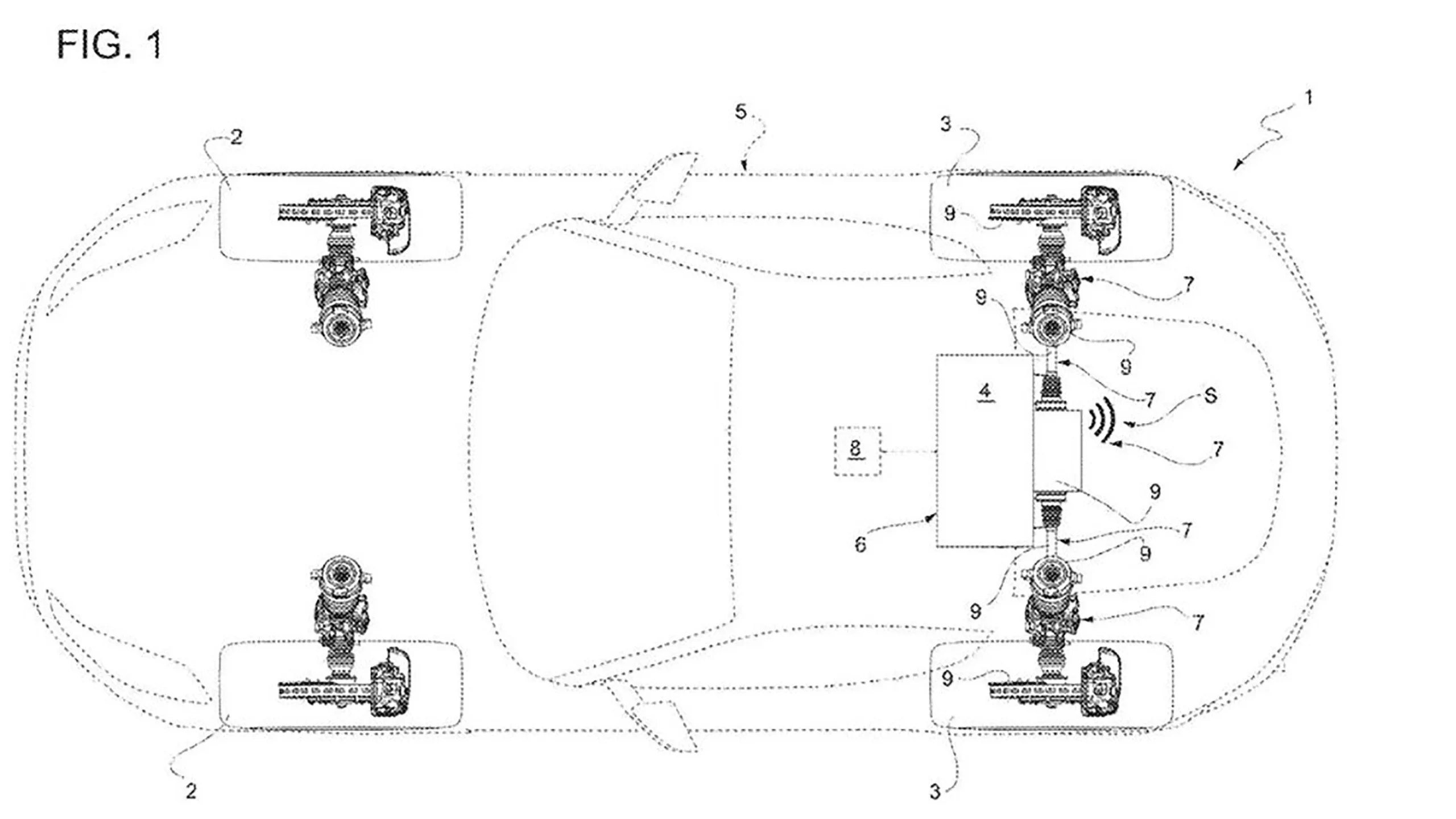
When it comes to auditory experience, Ferrari is moving away from synthetic gasoline engine simulations. Instead, the company amplifies the natural whine of the electric motor, emphasizing low‑frequency tones that feel authentic and pleasant, rather than the high‑pitched whine many associate with EVs.
Practical Range and Track Intent
The Luce is projected to achieve a little over 500 km (about 310 miles) on a single charge. While this range does not outshine every competitor, Ferrari clarifies that the Luce is not designed as a track‑day monster. Current battery technology still limits the viability of ultra‑high‑performance electric race cars.
Launch Timeline
Ferrari plans to unveil the Luce in May 2026, positioning it as a flagship example of how luxury performance and cutting‑edge science can coexist in the electric era.
With its unique blend of NASA‑inspired acceleration tuning, driver‑focused dynamics, and signature Ferrari sound, the Luce aims to rewrite what an electric supercar can feel like.