
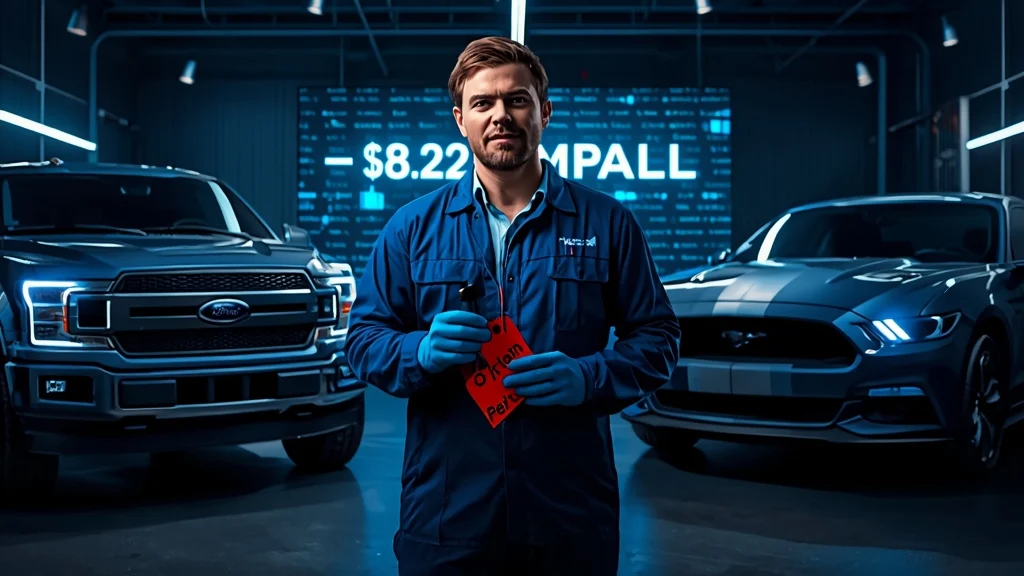
Discover why Ford topped 2025 vehicle recall lists, its $8.2 billion loss, bonus payouts, and what it means for drivers. Read the full analysis now.
Every spring, auto‑industry analysts publish the year’s recall tallies to gauge product reliability. In 2025, the data is unmistakable: Ford topped the list, issuing the most recall orders of any U.S. automaker.
Scale of the 2025 Recall
According to market reports, Ford announced 153 separate recall campaigns, affecting more than 10 million vehicles worldwide. The bulk of the action stemmed from a fuel‑injector defect that prompted a massive safety‑related pull‑back.
Financial Fallout
The recall hit Ford’s bottom line hard. The company reported a net loss of $8.2 billion for the year, with roughly $500 million directly attributable to fixing the faulty injectors. The expense underscores how a single quality issue can ripple through a global automaker’s earnings.
Quality Metrics – A Double‑Edged Sword
Ford’s internal definition of “quality” focuses on the Initial Quality score, measured during the first 90 days after a buyer takes delivery. While this metric showed improvement, the third‑party JD Power 2025 study placed Ford below the industry average, registering 193 problems per 100 vehicles.
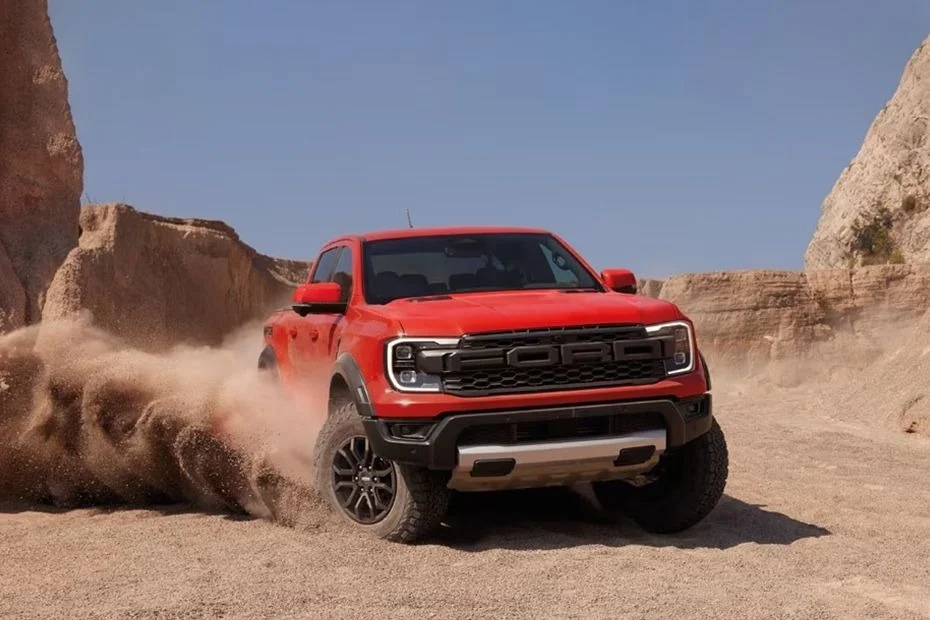
Despite the JD Power rating, the brand earned four model‑specific accolades for the Mustang, F‑150, Super Duty, and Escape. These short‑term wins triggered performance‑based incentives, even as broader reliability concerns lingered.
Bonus Payouts Amidst the Turmoil
In a surprising move, CEO Jim Farley approved end‑of‑year bonuses equal to 130 % of base salary for roughly 75,000 employees. The payout was framed as a reward for achieving the “best quality scores in a decade,” a claim that many industry observers found at odds with the recall numbers.
- Bonus rationale: align employee motivation with short‑term quality targets.
- Critics argue it masks deeper systemic issues.
- Potential impact: higher retention of skilled staff but risk of reputational damage.
Criticism and the EV Transition
Ford’s aggressive bonus program drew fire from shareholders and analysts, especially as the company pours billions into its electric‑vehicle (EV) lineup—a segment that has yet to deliver strong sales volumes. Detractors contend that rewarding staff while a costly recall erodes consumer trust sends a mixed message about management’s priorities.
What It Means for Drivers
For owners of affected models, the recall translates into free repairs, extended warranties on the faulty component, and a reminder to stay alert for service notifications. More broadly, the episode highlights the importance of transparency and swift action when safety defects emerge.
Looking Ahead
Ford’s 2025 recall saga serves as a cautionary tale for the entire auto sector. Balancing ambitious EV investments with rigorous quality control will be crucial as manufacturers race toward a greener future. Consumers, regulators, and investors will be watching closely to see whether Ford can turn the lessons from this year into lasting improvements.