
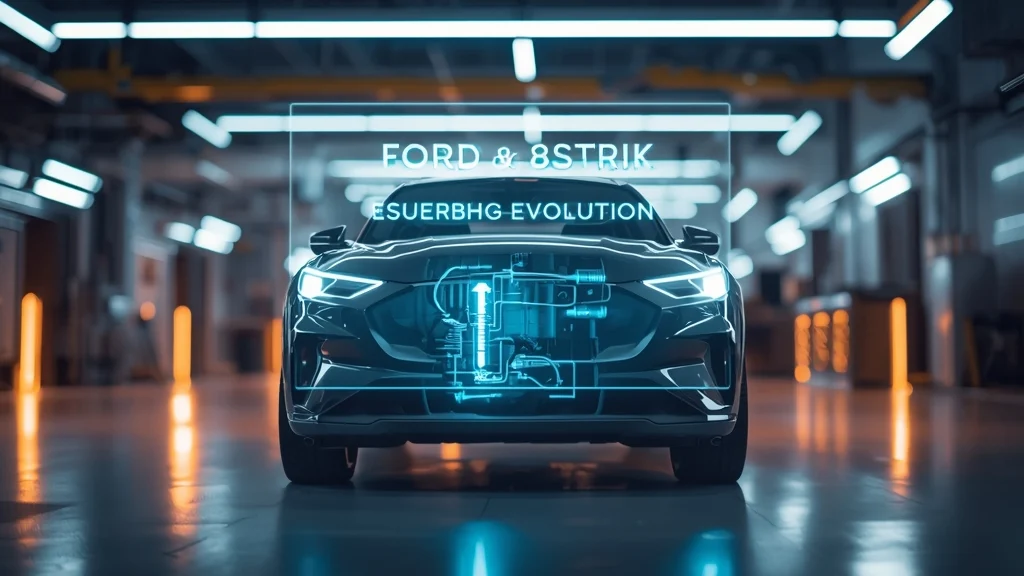
Ford may tap Chinese EV leader BYD for hybrid battery supply, boosting its eco-friendly lineup. Discover how this partnership could reshape the market.
Ford Motor Co. is reportedly in talks with Chinese electric‑vehicle powerhouse BYD to source battery packs for a range of upcoming hybrid models.
How the Deal Could Work
According to sources quoted by the Wall Street Journal, the American automaker may import BYD’s lithium‑ion cells to its overseas assembly plants, rather than building a new battery factory in North America. The exact logistics are still being hashed out, but the basic idea is a direct supply arrangement that streamlines Ford’s hybrid‑vehicle production.
Why Ford Needs a New Battery Partner
After announcing a $19.5 billion loss tied to its electric‑vehicle program and shelving the F‑150 Lightning pickup, Ford is shifting focus back to internal‑combustion models while expanding its hybrid lineup. A reliable, high‑volume battery source is crucial for that pivot, and BYD’s reputation for quality cells makes it an attractive option.
BYD’s Global Momentum
BYD recently overtook Tesla as the world’s largest EV manufacturer by volume. While most of its battery production sits in China, the company is rapidly building capacity in Brazil, Europe and Southeast Asia. Partnering with Ford would give BYD a foothold in the Western automotive supply chain.
Strategic Benefits for Both Parties
- Ford: Access to affordable, high‑performance batteries without the capital expense of a new plant.
- BYD: Expansion into the U.S. market through a well‑known global brand.
- Potential to accelerate hybrid adoption as both companies target a combined share of the global market by 2030.
Regulatory Hurdles
The partnership could face scrutiny from U.S. officials who have taken a hard line on Chinese technology transfers. Former President Donald Trump’s trade adviser, Peter Navarro, publicly criticized the idea earlier this year. However, President Trump has also indicated openness to foreign companies setting up U.S. operations, provided they employ American workers.
What It Means for Consumers
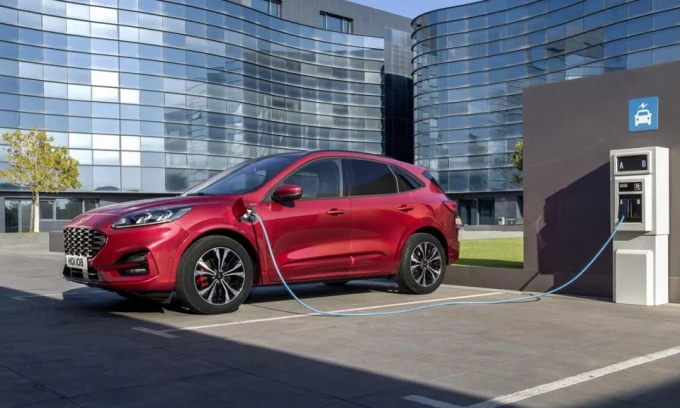
If the agreement materialises, drivers could see more affordable hybrids equipped with advanced battery tech, bridging the gap between traditional gas‑guzzlers and full‑electric vehicles. Ford aims to have hybrids, plug‑in hybrids and EVs together account for half of its global sales by 2030.
Next Steps
The negotiations are still ongoing, and there is no guarantee the deal will close. Both firms are weighing commercial terms, logistics and potential political push‑back before reaching a final agreement.