
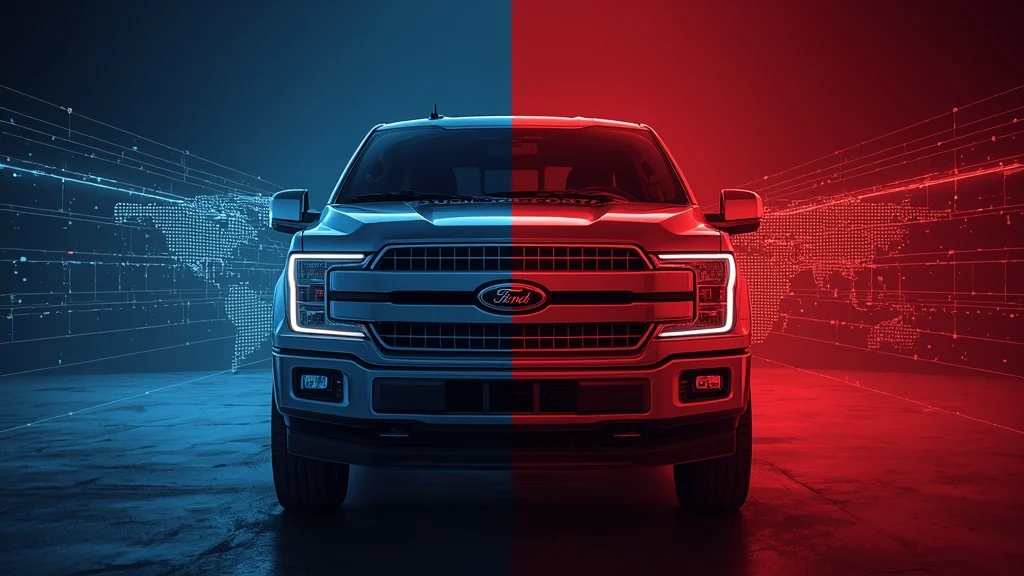
Ford eyes BYD battery supply for new hybrid vehicles, reshaping its EV strategy. Read more on this potential US‑China automotive partnership.
Background
Amid a sharp reduction in its electric‑vehicle (EV) spending, Ford is exploring new ways to keep electrification on its roadmap. According to reports from the Wall Street Journal, the American automaker has entered talks with China’s BYD to purchase battery packs for several upcoming hybrid models.
Potential Deal Details
The discussions revolve around Ford importing BYD‑manufactured batteries to its plants outside the United States. While the exact structure of the agreement is still being hashed out, the idea is to simplify Ford’s supply chain for hybrid and plug‑in hybrid vehicles without the need for new factories or reviving old partnerships.
Implications for Ford
Ford recently disclosed a $19.5 billion loss linked to its EV program, which included the cancellation of the F‑150 Lightning pickup. Shifting focus back to internal‑combustion models while bolstering hybrid offerings could help the company recover. BYD’s high‑quality, cost‑effective battery technology offers a ready‑made solution to Ford’s need for a reliable battery supplier as it pivots toward hybrid growth.
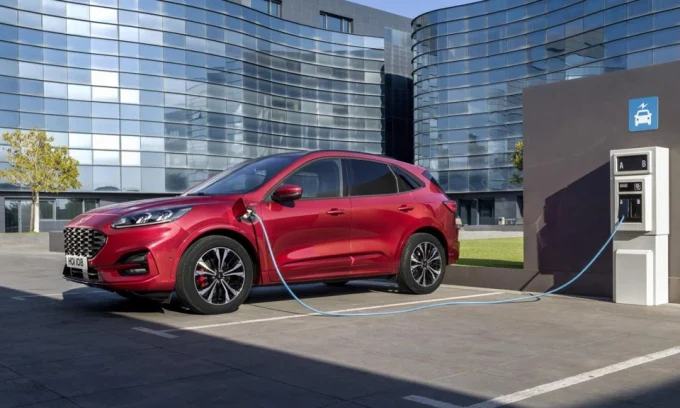
BYD’s Global Expansion
BYD has just overtaken Tesla as the world’s top EV manufacturer, largely thanks to its massive battery production capacity in China. The Chinese giant is also expanding overseas, building new facilities in Brazil, Europe and Southeast Asia, signalling its ambition to become a truly global supplier.
Political Hurdles
Any US‑China automotive partnership faces scrutiny in Washington. Shortly after news of the negotiations broke, former President Donald Trump’s top trade adviser, Peter Navarro, criticized the move. Yet Trump has publicly welcomed foreign firms – including Chinese and Japanese – to set up U.S. operations, provided they employ American workers.
What It Means for the Market
If the deal materialises, Ford would join a growing list of Western manufacturers turning to Asian battery makers to meet the surge in demand for hybrid and electric vehicles. Analysts predict that hybrids, plug‑in hybrids and pure EVs could together account for half of global auto sales by 2030. Partnering with BYD could give Ford a competitive edge while keeping costs in check.
Next Steps
The negotiations are still ongoing, and there is no guarantee the agreement will be signed. Both sides are weighing logistics, pricing, and regulatory approvals. Industry watchers will be keeping a close eye on how this potential collaboration unfolds and what it signals for the future of trans‑Atlantic automotive supply chains.