
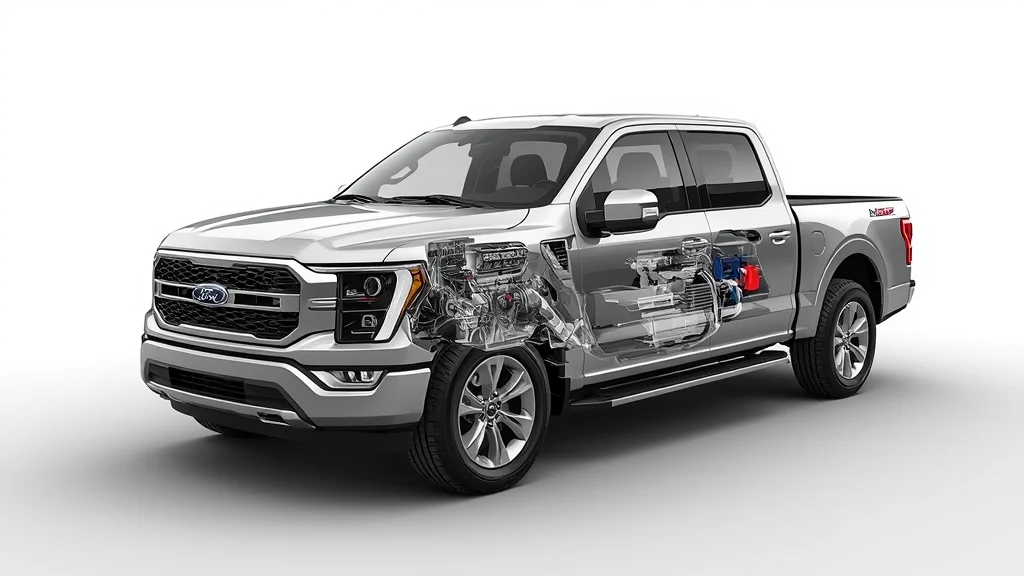
Ford is developing the world’s cheapest electric motor to power a sub‑$30,000 electric pickup, challenging Chinese EV makers. Learn more about the plan.
Why Ford is Going Cheap
In a bold move to make electric vehicles (EVs) accessible to everyday consumers, Ford is engineering the world’s most affordable electric motor. The ultimate goal? A sub‑$30,000 electric pickup slated for a 2027 launch, directly challenging the price advantage of Chinese EV manufacturers.
A Lean Engineering Team
Rather than relying on breakthrough materials, Ford’s strategy hinges on how it organizes product development. A dedicated 500‑person engineering hub in Long Beach, California operates separately from the company’s main Michigan facilities. This agile team is tasked with designing a motor that costs less than any off‑the‑shelf unit Ford currently purchases.
The Future Electric Pickup
The upcoming model will be offered in a single body style with a four‑door cabin, but with two drivetrain options. A rear‑wheel‑drive version will use a permanent‑magnet motor, while an all‑wheel‑drive variant adds an induction motor up front, mirroring the setup used in the Tesla Model 3 AWD versions. Buyers will also choose from multiple battery packs, balancing the lowest price point against longer range.
Design for Cost Savings
Achieving the $30,000 target requires more than a cheap motor. Ford’s new Universal EV platform slashes bolt and screw counts by roughly 25 % compared with conventional EVs. Wiring harnesses are dramatically simplified and lighter, larger cast‑ings replace many separate body parts, and the battery pack doubles as the vehicle’s floor, reducing material usage and assembly steps.
Production Gains
These engineering choices accelerate manufacturing. Ford estimates that a vehicle can leave the Louisville, Kentucky plant about 15 % faster than a current‑generation Escape, and the number of manual operations on the line drops by up to 40 %.
Market Implications
The low‑cost electric pickup is positioned as the gateway to a broader line‑up of affordable EVs, aiming to draw mainstream buyers who have so far been put off by high price tags. By undercutting Chinese rivals—who already benefit from massive scale and low‑cost labor—Ford hopes to capture a sizable share of the emerging budget‑EV segment.
Remaining Hurdles
Ford acknowledges that delivering the “world’s cheapest” motor raises questions about performance, durability, and real‑world driving experience. Those factors will only be validated once the $30,000 pickup hits production and reaches consumers.