
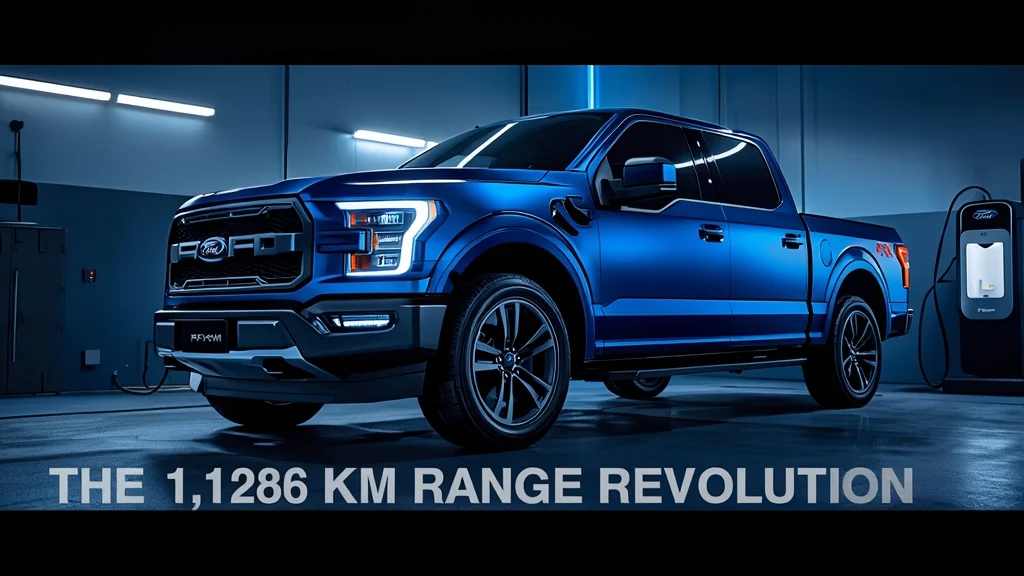
Ford reveals the next‑gen F‑150 Lightning will get a gasoline engine, boosting its electric range to over 1,126 km. Discover how this EREV could reshape pickup trucks – read more now.
Ford has announced a bold move for its flagship electric pickup, the F‑150 Lightning. The upcoming model will be equipped with a small gasoline engine that acts as a generator, turning the truck into an extended‑range electric vehicle (EREV). The addition is expected to push the vehicle’s total driving capability to more than 1,126 kilometres (700 miles) on a single tank‑plus‑battery cycle.
Why Ford is Adding a Gasoline Engine
While the Lightning has been praised for its instant torque, zero‑emission driving, and ability to power a home during outages, several pain points have emerged:
- Higher price compared with the conventional gasoline‑powered F‑150.
- Limited electric‑only range, especially when towing or hauling heavy loads.
- Lower sales volume than the gas and hybrid versions of the F‑150.
These challenges have left Ford with thin profit margins on the Lightning. By integrating a gasoline engine that charges the battery on the go, the company hopes to broaden the truck’s appeal without sacrificing its electric‑first ethos.
What Exactly Is an EREV?
An EREV combines a pure electric drivetrain with an onboard gasoline generator. Unlike a traditional hybrid, the gas engine does not drive the wheels directly; it simply produces electricity to recharge the battery when the state‑of‑charge drops low. This architecture delivers:
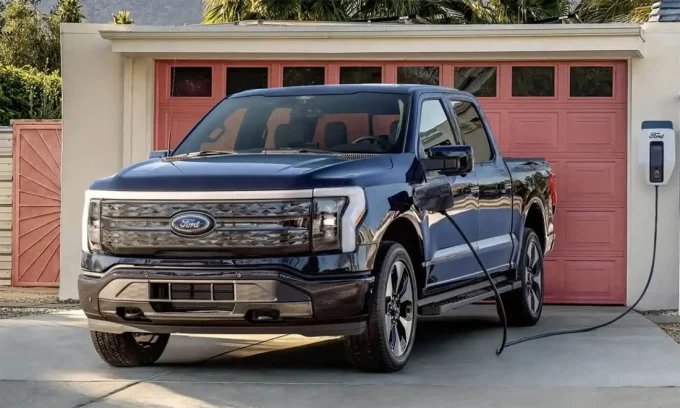
- Pure electric driving for daily commutes.
- Extended range for long trips or heavy‑duty tasks.
- Continued ability to act as a mobile power source for tools, campsites, or even homes.
The concept is already gaining traction in China, and several automakers are planning similar models for North America and Europe.
Benefits for Lightning Owners
Ford’s executive Andrew Frick, head of the company’s gasoline‑and‑electric division, describes the new Lightning as a “significant step forward”. Key advantages include:
- Confidence in range: Drivers can travel over 700 miles without worrying about finding a charger.
- Improved towing capability: The generator can sustain higher loads on long hauls.
- Retained zero‑emission mode: When the battery is sufficient, the truck runs silently and cleanly.
- Power‑out flexibility: The vehicle will still be able to supply electricity to external devices, just as the current Lightning does.
Market Impact and Competition
With the EREV Lightning, Ford aims to compete directly with upcoming extended‑range models from rivals such as the Scout Harvester and the Ram 1500 REV. The move also signals a strategic shift: Ford is scaling back some pure‑electric projects, like the cancelled European electric commercial van, and redirecting resources toward more market‑ready, hybrid‑assisted solutions.
Future Plans
Production of the current Lightning generation will cease, and the revised model—internally nicknamed “Ford T3″—will roll out later this decade. Alongside the new truck, Ford is repurposing its BlueOval City complex to focus on affordable gasoline trucks and battery‑storage systems for data‑center and AI applications.
Conclusion
The addition of a gasoline generator transforms the F‑150 Lightning from a niche electric pickup into a versatile, long‑range workhorse. By blending electric performance with the reassurance of a conventional engine, Ford hopes to attract both traditional truck buyers and eco‑conscious consumers. Keep an eye on this development—Ford’s EREV strategy could reshape the future of pickup trucks worldwide.