
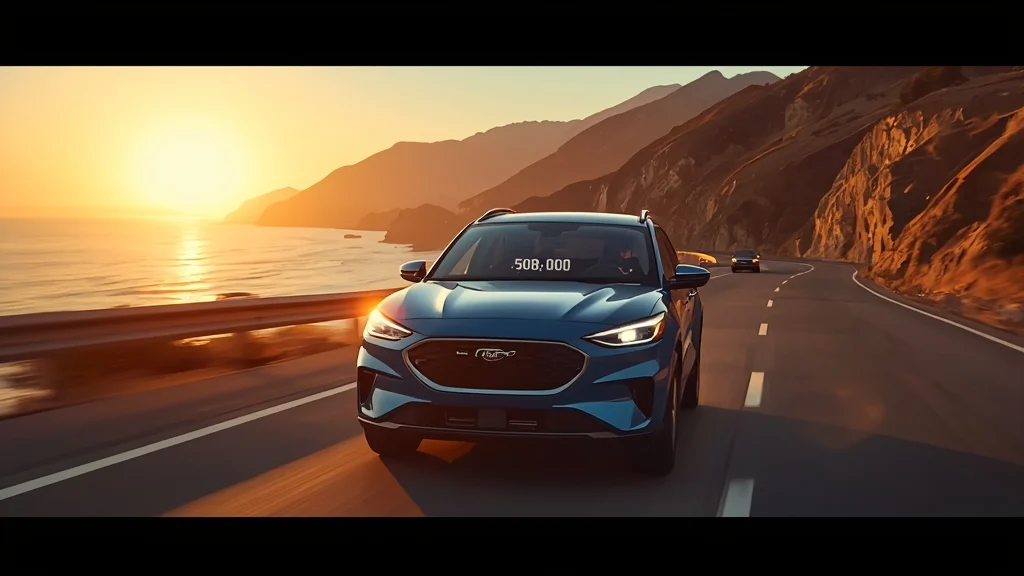
A 2022 Ford Mustang Mach‑E logged over 508,000 km with only an 8% battery drop, proving EV durability. Read on to learn why SUVs are built to last.
Why Battery Longevity Matters for EV Buyers
Range anxiety and battery lifespan remain the top concerns for anyone considering an electric vehicle (EV). While most owners focus on daily range, the real test of durability comes from high‑ mileage, real‑world use. The story of a 2022 Ford Mustang Mach‑E in California offers a compelling answer.

Meet the Test Driver: David Blenkle
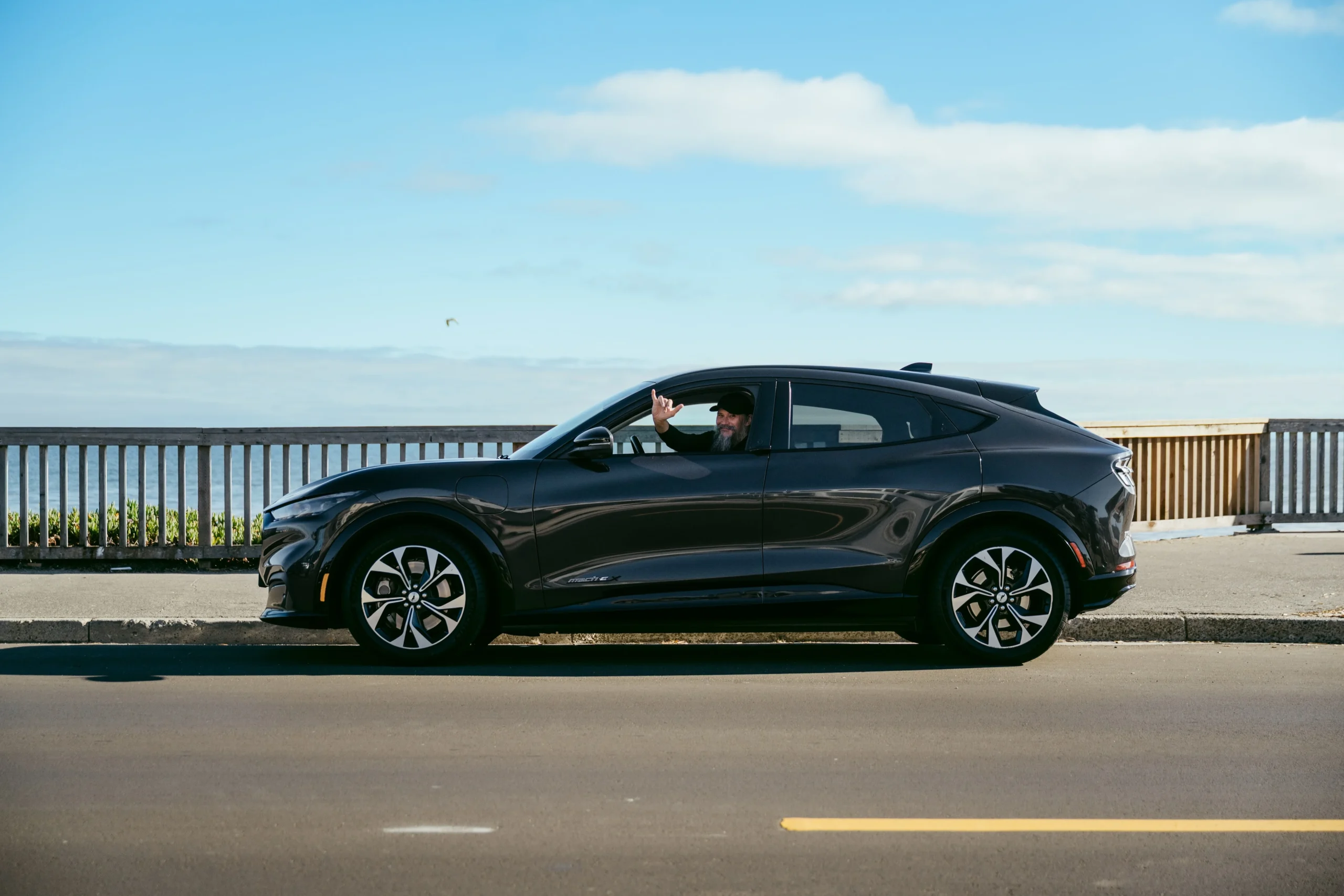
David Blenkle, a rides‑hailing driver in Santa Cruz, bought a Ford Mustang Mach‑E Premium with the extended‑range battery pack in mid‑2022. He immediately put the SUV to work, clocking up to 12 continuous hours behind the wheel each day for passenger trips.
More Than 508,000 km on the Odometer
After just over three years of service, Blenkle’s Mach‑E has logged 316,000 miles (about 508,000 km). In that time the vehicle completed more than 7,000 passenger rides, adhered to all scheduled maintenance every 10,000 miles, and saw 24 tire replacements. Remarkably, the original brake set remains untouched thanks to the regenerative‑braking system, and no major mechanical repairs have been required.

Battery Health: Only an 8% Drop
Perhaps the most striking figure is the battery’s health. After half a million kilometres the pack has lost merely 8 % of its original capacity, still delivering roughly 300 miles (≈480 km) per full charge. Modern EV batteries typically degrade about 1.8 % per year—roughly 9 % after five years—so Blenkle’s results are well ahead of industry averages. Projections suggest even after 20 years an EV could retain around 64 % of its initial range.
Charging Habits That Extend Battery Life
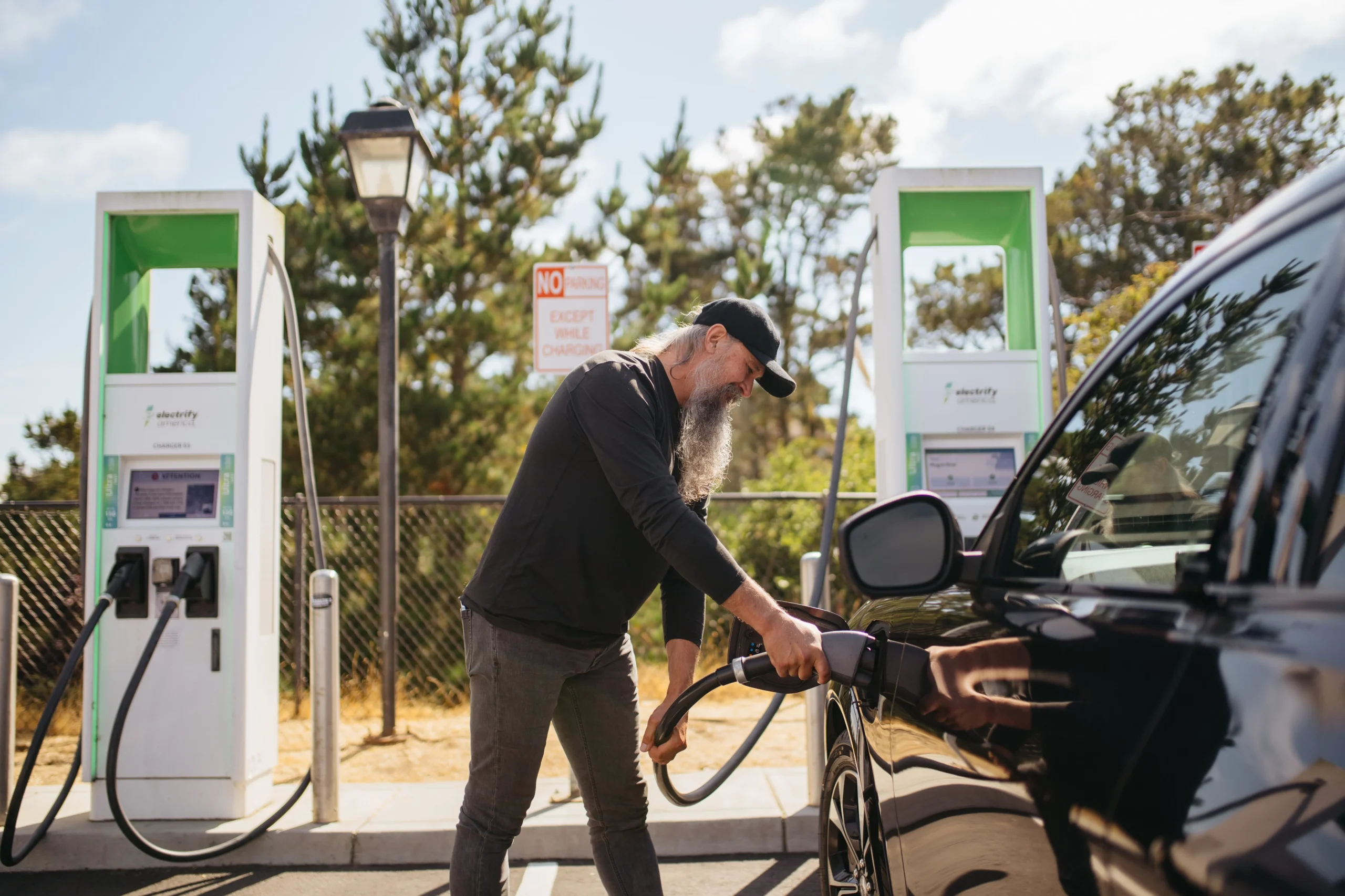
Blenkle follows a simple rule: never let the state‑of‑charge fall below 20 % and charge only up to 90 % most of the time. This mirrors the best practices for smartphones and helps minimise wear on lithium‑ion cells.
Operational Costs Compared to Combustion Engines
Electric SUVs generally cost less to maintain than internal‑combustion counterparts because they have fewer moving parts. However, repair times can be longer and specialised drivetrain components may carry a premium price tag, especially when skilled technicians are required.
Ford’s Next Moves in the EV Space
Even as global EV sales show signs of slowing, Ford continues to expand its electrified lineup. The automaker is developing a $30,000 electric pickup aimed at complementing the upcoming F‑150 Lightning, hoping to broaden its appeal beyond premium SUVs.
What This Means for Prospective Buyers
Durability is a powerful selling point for electric cars. The real‑world mileage achieved by this Mustang Mach‑E demonstrates that modern EVs can outlast many skeptics’ expectations. For consumers weighing the switch to electric, the evidence suggests that a well‑maintained EV can deliver long‑term reliability and lower total‑ownership costs.
Conclusion
David Blenkle’s experience with his high‑mileage Ford Mustang Mach‑E provides tangible proof that electric SUVs are built to go the distance. With minimal battery degradation, low routine‑maintenance needs, and a growing network of charging infrastructure, the EV market is becoming an increasingly practical choice for drivers worldwide.