
Ford has halted all sedan production, citing profit challenges. CEO Jim Farley shares the strategy and hints at future plans. Read more now.
Ford no longer offers a single sedan in its global lineup after the 2020 discontinuation of the Fusion. The move follows a series of phase‑outs that also saw the Taurus, Fiesta and Focus disappear, leaving the iconic Mustang as the only low‑slung model in the brand’s portfolio.
CEO Jim Farley’s Take on the Sedan Exit
In a candid interview with Automotive News, Ford CEO Jim Farley clarified that the decision was not driven by a lack of consumer interest. “The sedan segment is still vibrant,” he said. “We simply haven’t found a way to compete profitably in that space.”
Farley added that Ford is not closing the door forever on sedans. “We’re still exploring how a future sedan could make financial sense,” he noted, indicating that the company’s research and development teams remain engaged.
What Remains in Ford’s Global Portfolio
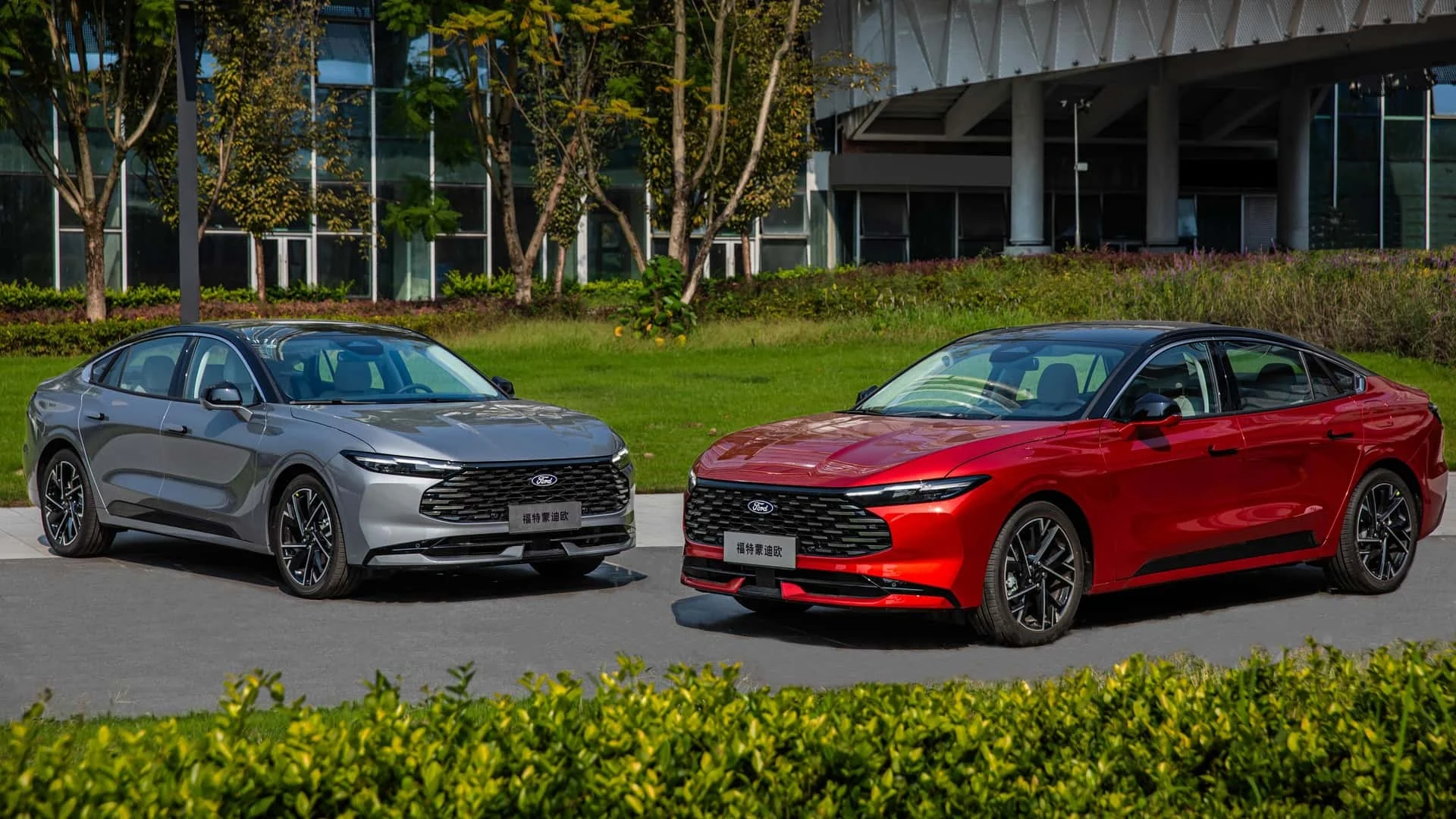
While North American dealers no longer receive new sedan models, the brand continues to market a midsize sedan in the Middle East under the 2026 Ford Taurus name. In China, the same vehicle is sold as the Ford Mondeo—a name previously associated with the Fusion in Europe.
Market Dynamics Behind the Decision
Profitability concerns also prompted Ford’s recent discontinuation of the Fiesta and Focus, models that retained strong fan bases despite modest margins. In the United States, the final generation of the Focus never reached hatchback form; the fourth‑generation sedan and wagon were retired in November 2025.
US Sedan Sales Remain Strong
Even as Ford retreats, sedans continue to perform well in the American market. Last year’s sales figures illustrate the segment’s resilience:
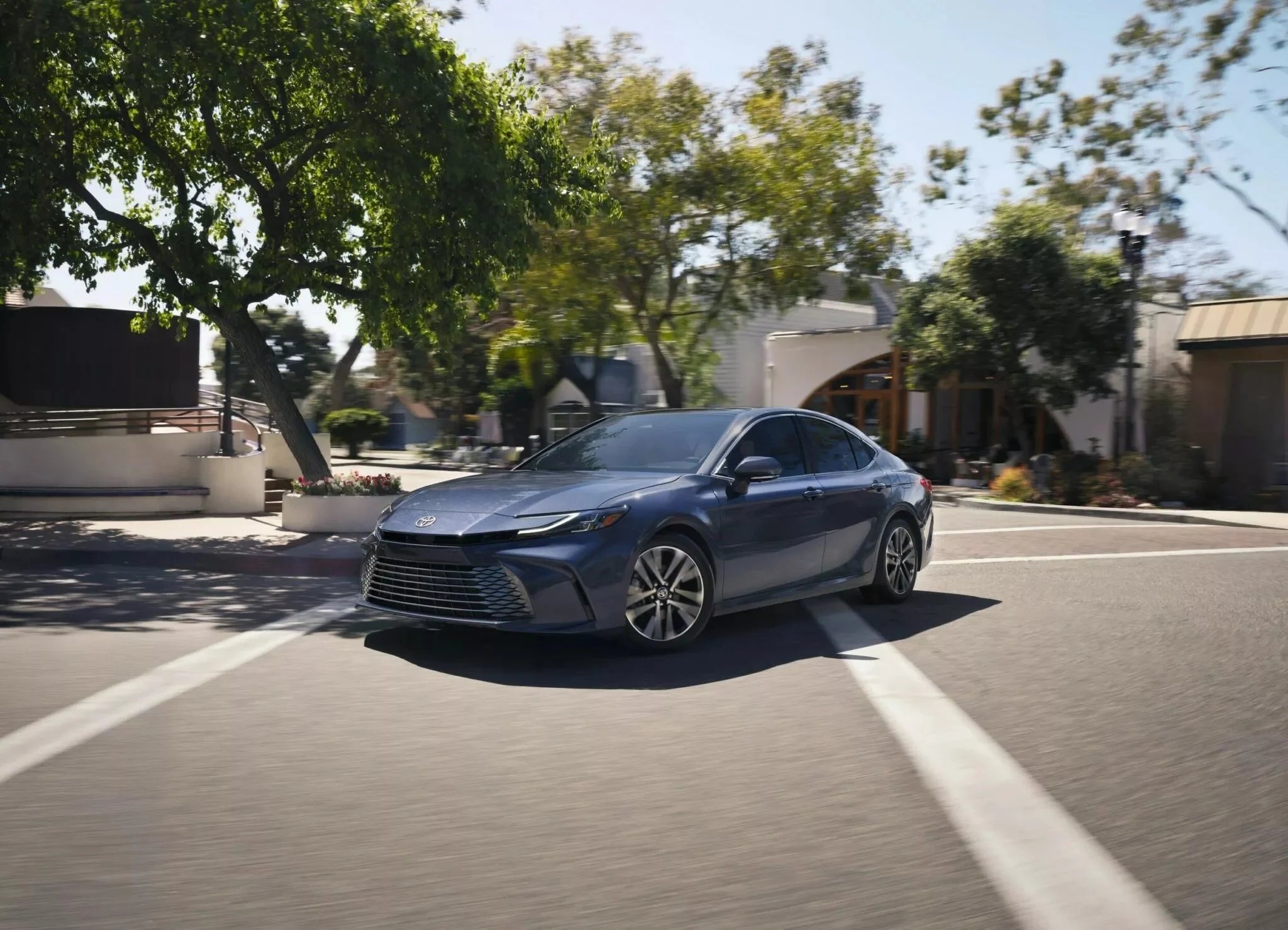
- Toyota Camry: 316,185 units (+2%)
- Toyota Corolla: 248,088 units (+6.5%)
- Honda Civic: 238,661 units (-1.4%)
- Honda Accord: 150,196 units (-7.7%)
- Hyundai Elantra: 148,200 units (+8%)
- Nissan Versa: 51,310 units (+20.5%)
- Nissan Sentra: 152,578 units (decline)
- Nissan Altima: 93,268 units (decline)
These numbers show that American buyers still value sedans, especially when offered at competitive prices with appealing features.
Looking Ahead
According to Motor1, Ford’s current lack of a sedan lineup effectively cedes the segment to rivals who can turn a profit. Farley’s comments suggest the automaker could re‑enter the market if it can deliver a compelling, cost‑effective product.
For now, the focus remains on strengthening Ford’s SUV, truck, and performance car offerings—areas where the brand sees the greatest growth potential.