
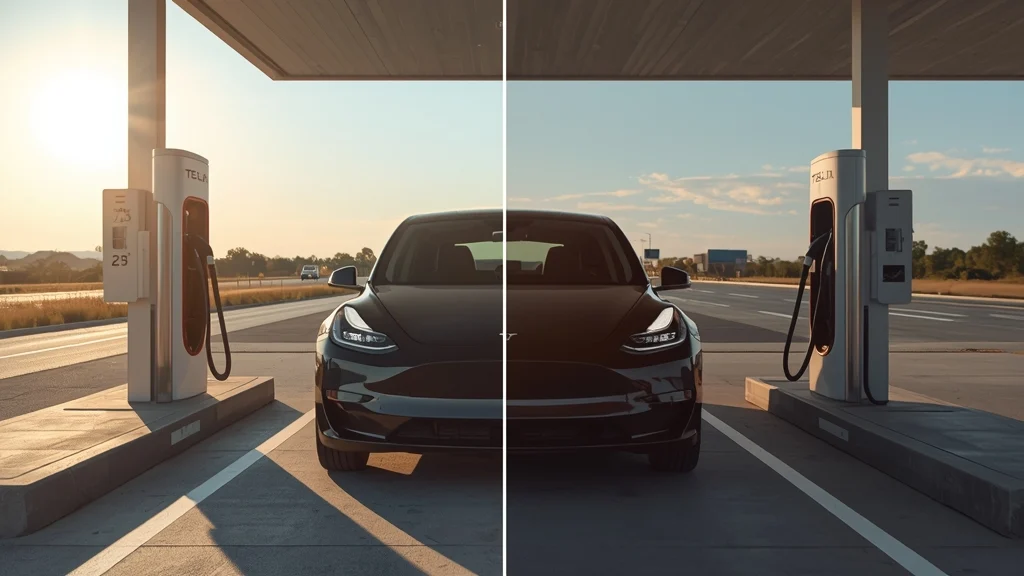
Gas prices hit record highs, sparking a 20% surge in electric‑vehicle searches across US platforms. See how charging costs compare to fuel – read more now!
Fuel prices are soaring worldwide. In the United States, the average price of regular gasoline has climbed to $3.79 per gallon, up from $2.92 a month ago. The jump revives memories of the 2022 energy crunch and the oil shocks of the 1970s.
Fuel Prices Hit New Highs
Higher pump prices are prompting drivers to reconsider their mobility choices. While the rise alone may only affect shoppers already planning a new car purchase, sustained price pressure could shift broader consumer sentiment toward electric alternatives.
Policy Shifts Cloud EV Adoption
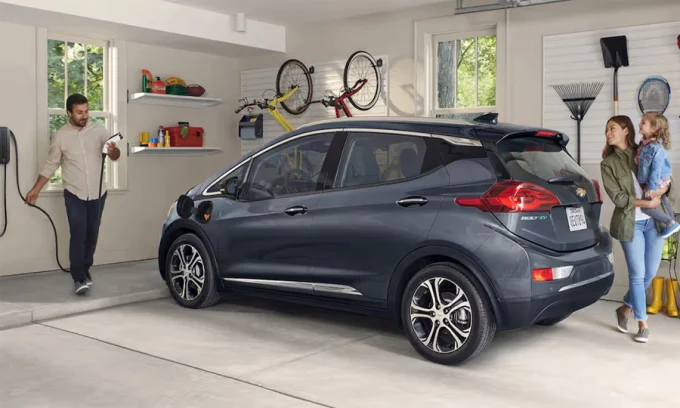
At the same time, the EV market faces a policy headwind. The Trump administration has rolled back many of the subsidies and incentives put in place by the previous Biden administration to accelerate vehicle electrification. Most of those measures expired in September, contributing to a 2% dip in U.S. EV sales so far this year.
Conflict‑Driven Search Surge
Nonetheless, external events can reignite interest. According to CarEdge, an online vehicle marketplace, searches for electric cars surged 20% during the first week of the recent Iran‑related conflict. Popular models such as the Tesla Model Y and Chevrolet Equinox saw inquiry volumes nearly double.
Charging Costs vs. Fuel
Charging an EV isn’t a one‑size‑fits‑all expense. Costs depend on local electricity rates and whether owners can charge at home. Generally, a home‑charged EV costs about 25% of the fuel expense for an equivalent 100‑mile (160 km) trip.
Real‑World Cost Comparisons
- Chevrolet Bolt EV (Louisiana): Home charging for 160 km ≈ $2.81; DC fast‑charging at an EVgo station ≈ $11.82. A comparable gasoline SUV (7.1 L/100 km) would cost about $10.
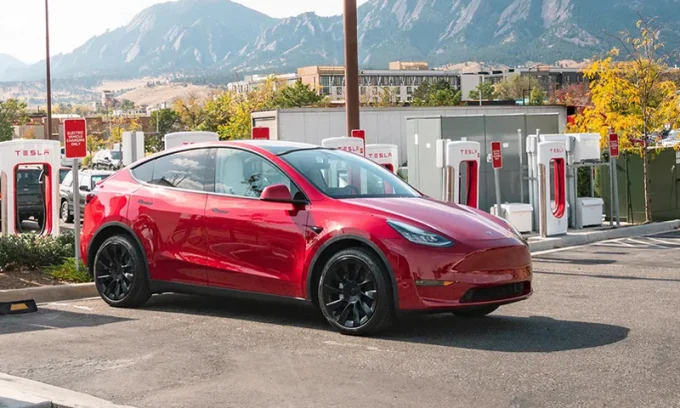
- Tesla Model Y (Louisiana): Home charging for 160 km ≈ $3.82; Supercharging ≈ $10–$19. A similar gasoline SUV (8.4 L/100 km) would cost around $13.70.
- GMC Hummer EV (Hawaii): Home charging for 160 km ≈ $27.48; highway‑fast charging ≥ $37.11. The gasoline Hummer (23.5 L/100 km) would run about $47.90.
While higher gasoline prices could eventually push electricity rates upward, the impact on the average American electricity bill is modest—fuel costs represent roughly 25% of a typical residential electricity statement.
What’s Next for EV Buyers?
As long as gasoline remains volatile, the economic case for electric vehicles strengthens, especially for drivers who can charge at home. With more models entering the market and battery prices continuing to fall, the gap between EV and internal‑combustion‑engine ownership costs is narrowing.
Consumers watching the pump should keep an eye on both fuel and electricity trends, as the balance may tip in favor of electric mobility sooner than expected.