
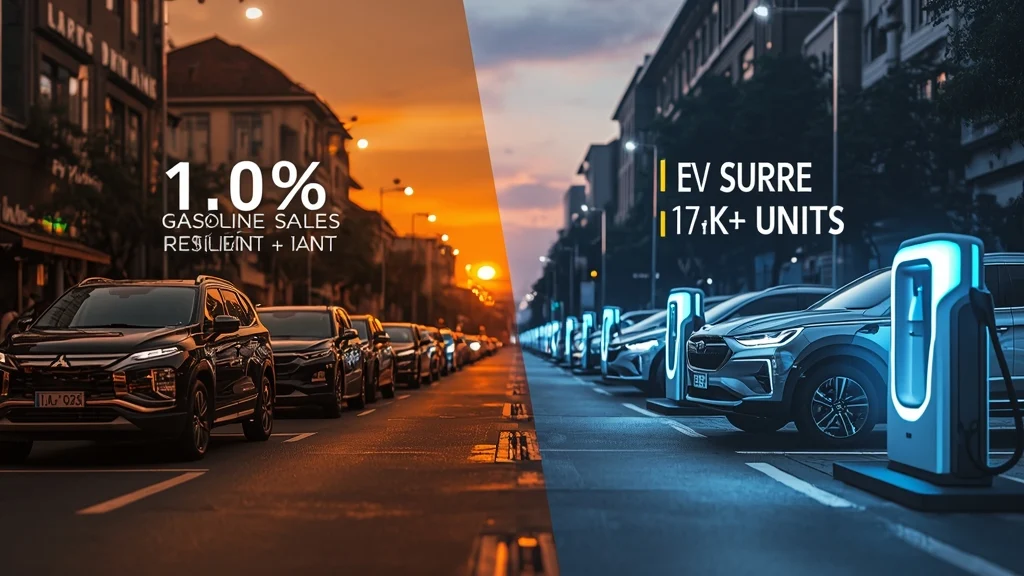
Explore how gasoline car sales in Vietnam remain resilient despite the rapid rise of electric vehicles. Read the full analysis now!
Market Overview – 2025
Vietnam’s automotive market recorded a solid 10.5% year‑on‑year growth in 2025, with a total of 375,736 vehicles delivered to customers. The Vietnam Automobile Manufacturers’ Association (VAMA) reports that its member brands sold 104,627 passenger cars, a modest 3% increase over the previous year.
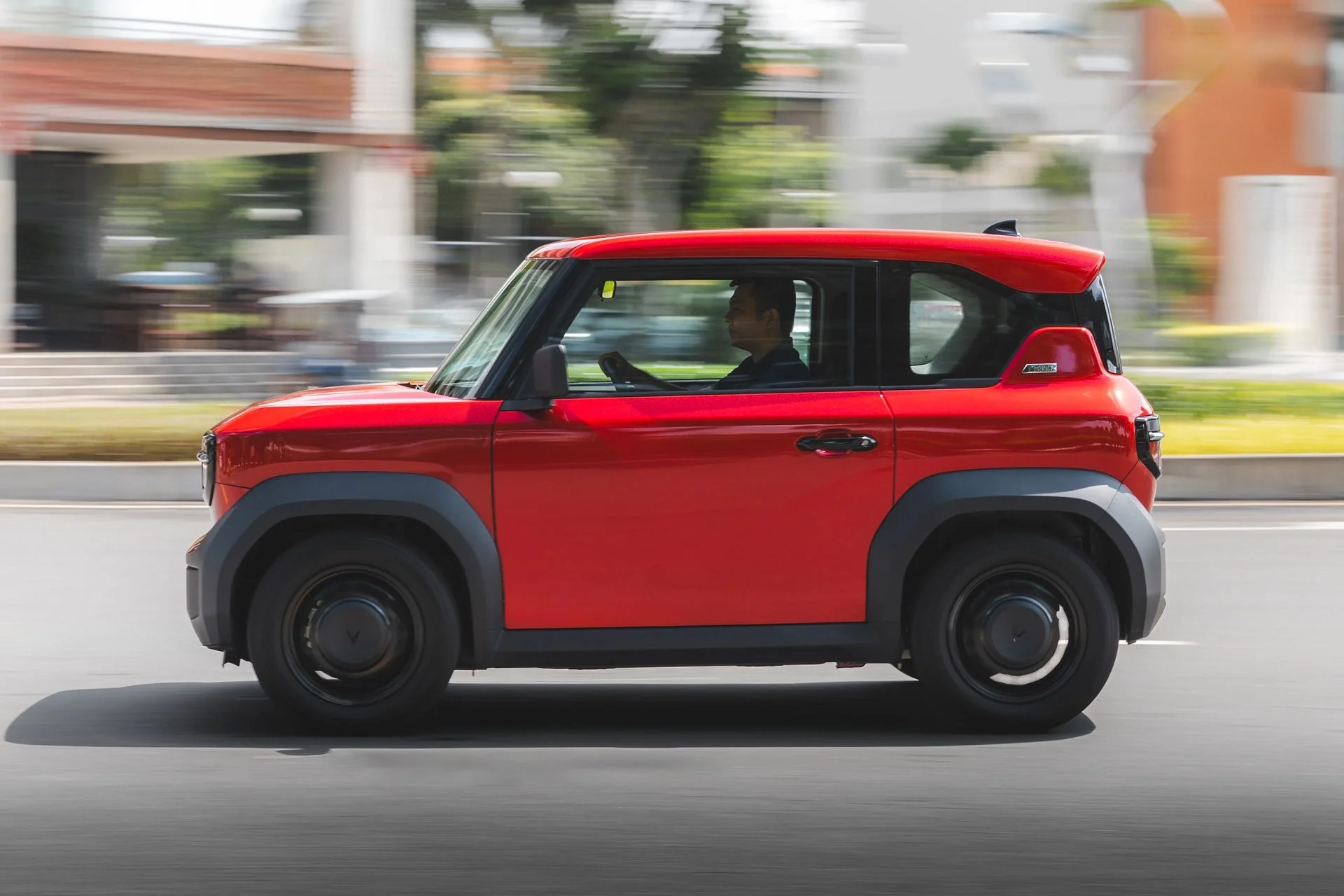
While electric‑only manufacturers – led by VinFast – surged past the 175,000‑unit mark, the bulk of sales still came from traditional internal‑combustion‑engine (ICE) models.
Top‑Selling Gasoline Models
Even with the EV wave, the most popular petrol‑powered cars kept climbing:
- Mitsubishi Xpander: 19,891 units (up from 19,498 in 2024)
- Ford Ranger: +6.8% year‑on‑year
- Mazda CX‑5: +16.8% growth
- Mitsubishi Xforce: 15,524 units (+7.8%)
Notable declines included the Toyota Vios (down 5.5% to 13,424 units) and the Hyundai Accent, which saw sales plunge by nearly 50%, dropping it out of the top‑10 list.
Conversely, SUVs such as the Ford Territory (+57.4% to 12,786 units) and the Hyundai Tucson (+39.2% to 9,243 units) surged into the top‑10 ranking.
Other steady performers were the Toyota Yaris Cross, Ford Everest, Honda City and Hyundai Creta, all posting positive growth, although the Creta’s 9,046 units fell just short of maintaining a top‑10 spot.
New Gasoline Launches and Refreshes (2024‑2025)
Manufacturers responded to the shifting landscape by introducing fresh ICE models and upgrades:
- Mitsubishi Destinator (new SUV)
- Geely’s latest gasoline line‑up
- Skoda Kushaq (European‑style SUV)
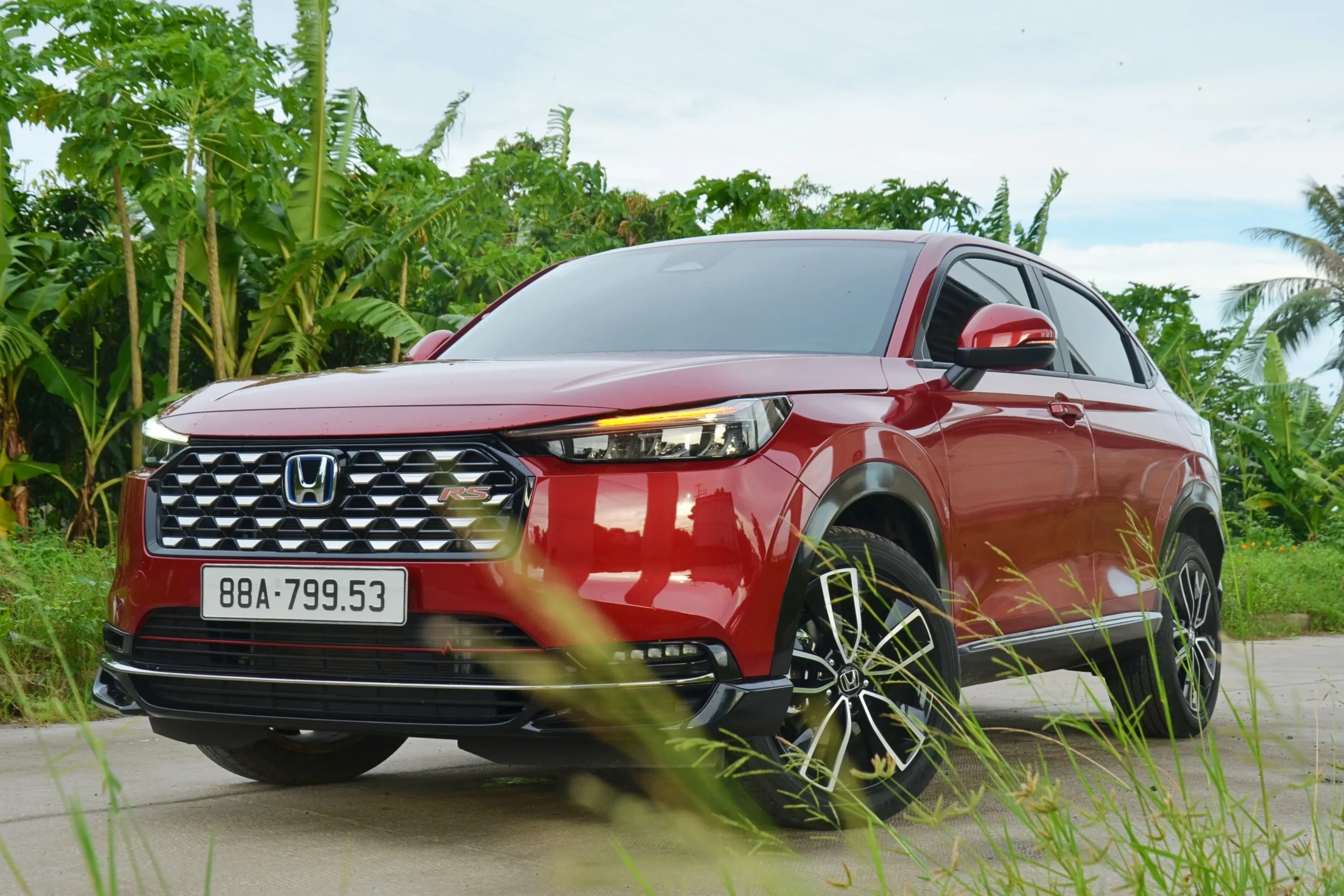
- Facelifts for Hyundai Creta and Honda HR‑V (the latter offered as a hybrid)
- Performance‑focused releases such as the Skoda Octavia RS and Volkswagen Golf R Performance
Hybrid Strategies – Keeping ICE Relevant
Traditional brands are bolstering their ICE portfolios with mild‑hybrid and full‑hybrid variants. Toyota, Honda and Suzuki have rolled out several gasoline‑electric blend models and announced plans for local hybrid assembly, aiming to retain customers who value fuel‑based driving while offering a greener footstep.
Electric‑Vehicle Surge and Future Outlook
VinFast continues to dominate the pure‑EV segment, surpassing 175,000 units in 2025. Other electric players – Wuling, BYD, and upcoming entrants such as Omoda, Jaecoo, Zeekr and Lotus – are also eyeing sizable market shares. The government’s 100% registration‑tax exemption for EVs remains in force, suggesting ample room for growth into 2026 and beyond.
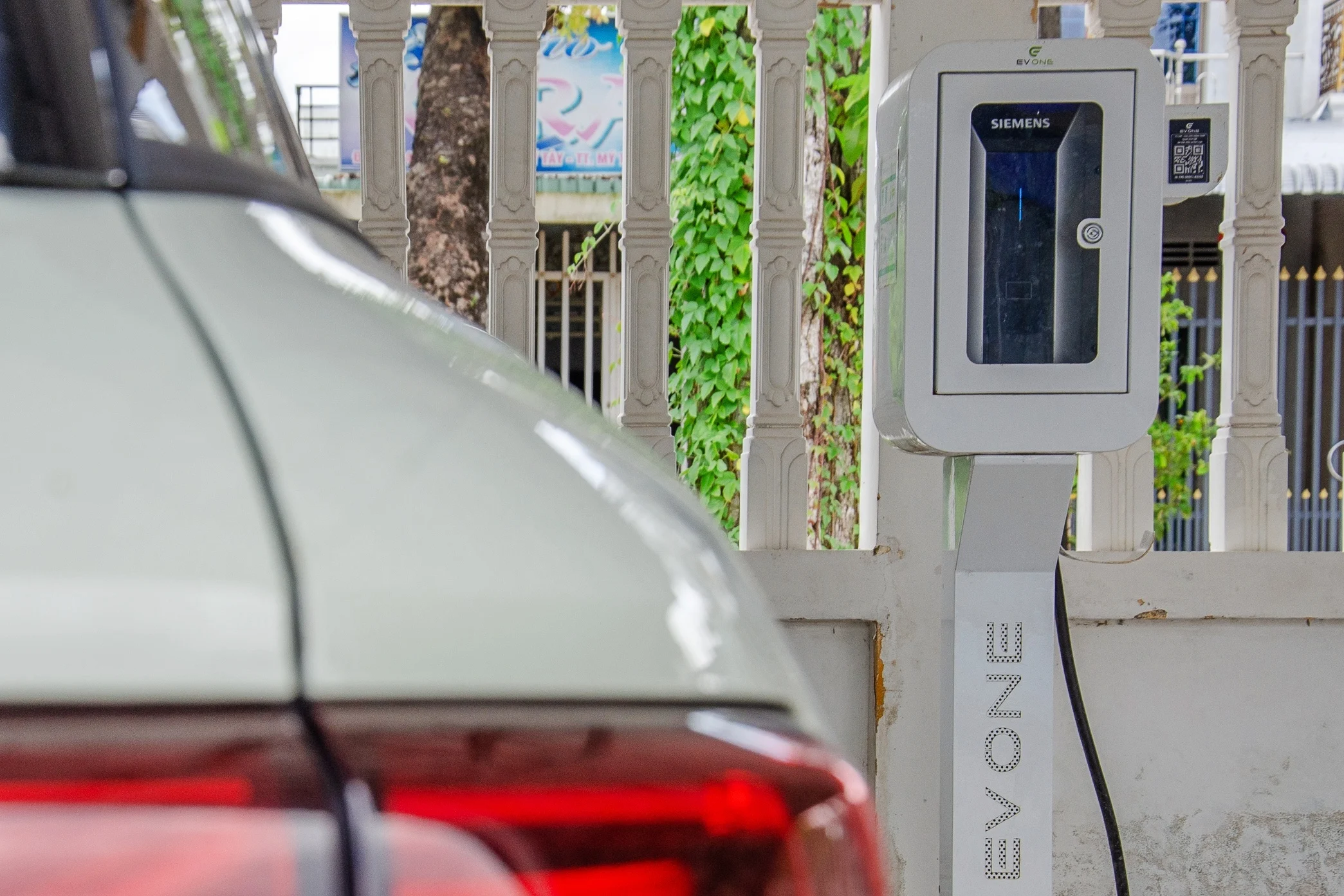
However, the success of electric cars still hinges on expanding public charging infrastructure and building brand trust, challenges that manufacturers are actively addressing.
Conclusion – A Balanced Road Ahead
Gasoline‑powered vehicles in Vietnam are not yet out of the race. Strong brand loyalty, attractive promotional packages (often offering discounts of several hundred million VND), and a steady stream of new models have helped ICE sales stay positive despite the electric surge.
While electric vehicles are set to capture an increasing slice of the market, traditional automakers are adapting through hybrids, fresh launches, and aggressive incentives. The road ahead points to a coexistence of both powertrains, with gasoline cars continuing to “live healthy” on Vietnam’s streets for the foreseeable future.