

German car exports to the US have plunged under new 15% tariffs, forcing manufacturers to adapt to a tough new normal. Discover the impact and what’s next – read on now.
US Tariffs Shake Up German Auto Trade
German car manufacturers have seen a steep decline in exports to the United States during the first three quarters of 2025. According to trade data, shipments fell by almost 14 % compared with the same period a year earlier.
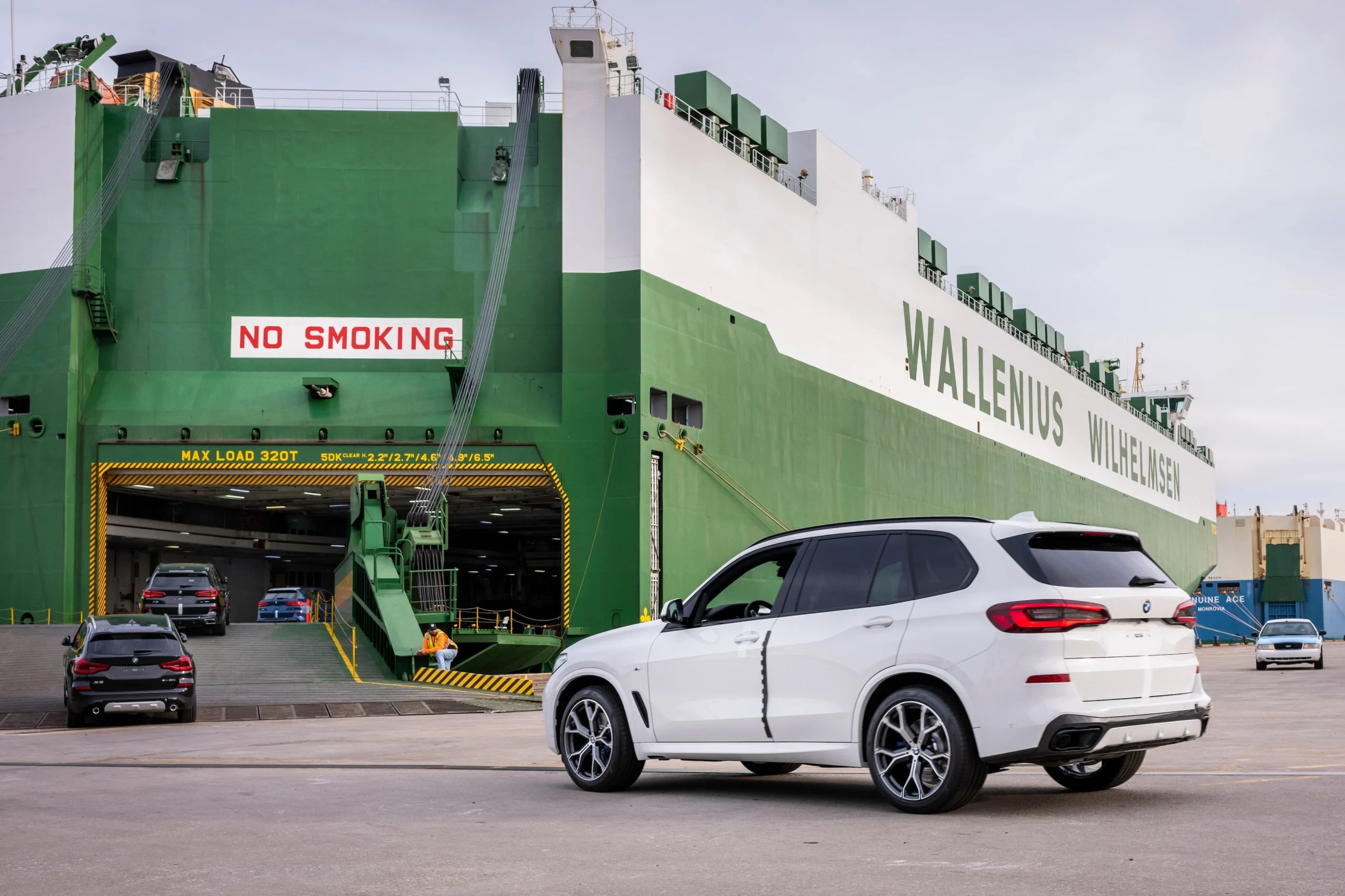
The drop comes despite a recent US‑EU trade agreement that capped the basic import duty on European cars at 15 % from 1 August 2025. The rate is far lower than former President Trump’s proposal of a 25 % tariff plus an additional 2.5 % duty, but the impact on German automakers remains pronounced.
Engineering and Machinery Feel the Pressure
Germany’s broader engineering sector is also feeling the squeeze. Export volumes to the United States fell by 9.5 % in the first nine months of 2025, with machinery taking the hardest hit. A 50 % tariff on steel and aluminium components has driven up production costs, eroding the competitive edge of German equipment in the US market.
Chemicals See a Similar Dip
Even the chemical industry, a traditional pillar of German export strength, recorded a 9.5 % decline in sales to the United States. Analysts caution that the downturn cannot be blamed solely on tariffs; higher energy prices and a dip in domestic output have also contributed to weaker performance.
Overall Export Trends
When all sectors are combined, German exports to the United States fell by 7.8 % in the first three quarters of 2025 versus the same period in 2024. This reversal is stark compared with the near‑5 % average growth recorded each year between 2016 and 2024.
Industry Outlook: A ‘New Normal’
Samina Sultan, lead researcher on the study, warns that a quick return to pre‑Trump tariff levels is unlikely. She describes the current situation as a “new normal” that exporters must adapt to, noting that prospects for rapid recovery remain limited.
German firms are now exploring alternative strategies, from shifting production to lower‑cost regions to strengthening supply‑chain resilience. How the industry navigates these challenges will shape its competitiveness in the world’s largest automotive market for years to come.