
Germany’s top court rejects a climate lawsuit seeking to ban BMW and Mercedes-Benz ICE sales after 2030. Discover why the ruling matters – read more now!

A German federal court has thrown out a high‑profile climate case filed by Environmental Action Germany (DUH). The lawsuit aimed to force BMW and Mercedes‑Benz to stop selling internal‑combustion‑engine (ICE) cars after 2030, arguing that the companies were breaching the German constitution and jeopardising the rights of future generations.

Background
DUH argued that the continued sale of fossil‑fuel vehicles beyond 2030 would exceed the nation’s allowable carbon budget, undermining global climate targets and unfairly consuming a share of the world’s limited emissions allowance. The plaintiffs claimed that this would infringe on the constitutional rights of young people to a livable climate.
Court’s Reasoning
Presiding judge Stephan Seiters dismissed the claim, emphasizing that emission‑reduction targets are set by legislators, not by individual corporations. He clarified that there is no legal framework for assigning a separate “carbon budget” to each company. The court referenced a 2021 ruling by Germany’s Federal Constitutional Court, which obliges the government to strengthen climate protection laws, but stressed that the precedent does not translate into direct liability for private firms.
Automakers’ Response
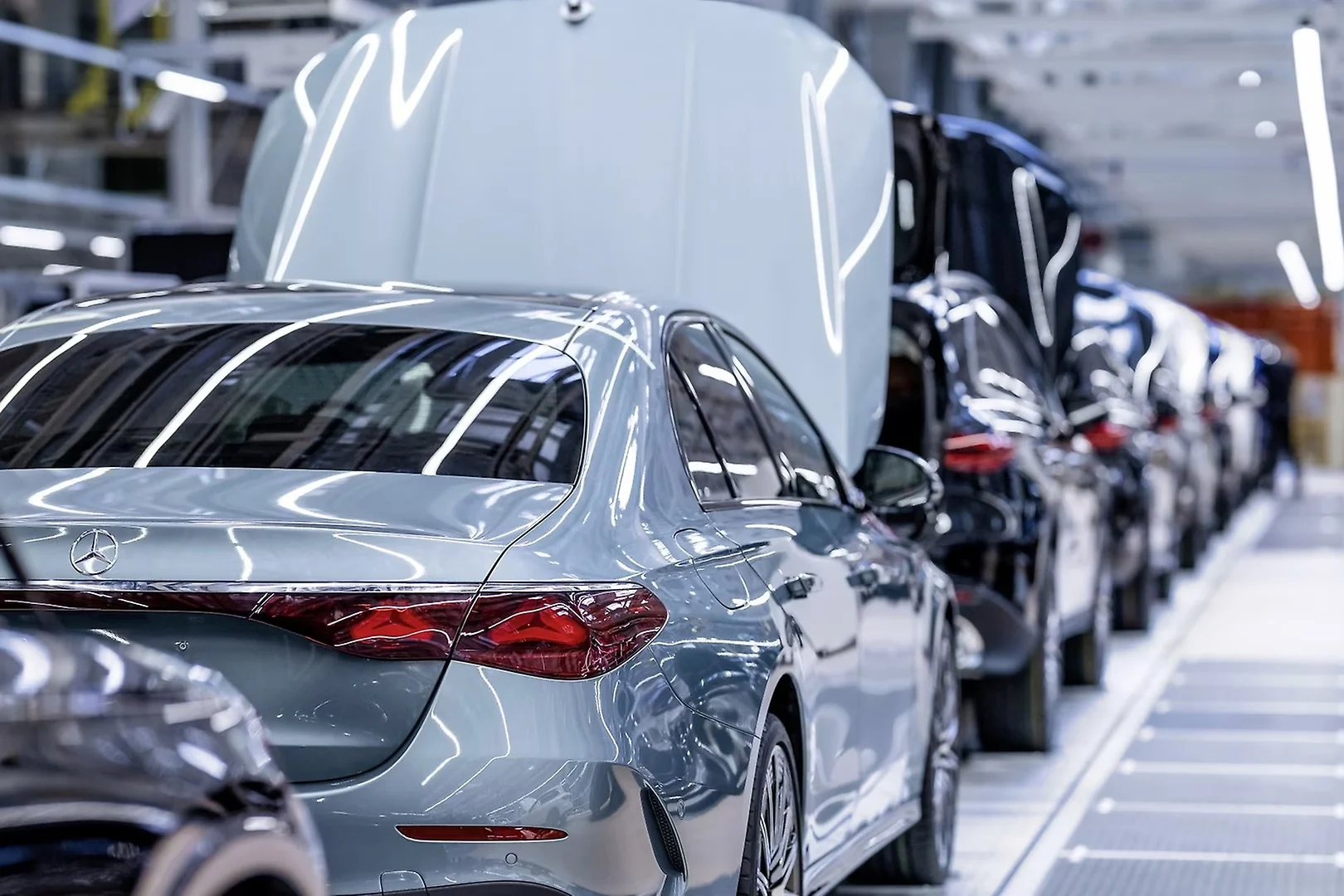
Both BMW and Mercedes‑Benz welcomed the decision. BMW said climate‑policy debates should be settled through democratic political processes, such as elected parliaments, and highlighted its own investments in electric mobility. Mercedes‑Benz echoed the sentiment, noting that legal certainty is essential for businesses operating in Germany.
Implications for EU Emissions Policy
- German automakers have already pledged billions of euros toward electrification to meet EU climate goals.
- The European Union aims to phase out ICE vehicles by 2035, though recent proposals have softened that timeline under industry pressure.
- The court’s ruling underscores the separation of powers: regulatory ambition lives with lawmakers, while courts enforce existing legislation.
While the case does not halt the shift toward electric vehicles, it signals that future climate lawsuits will likely focus on policy‑making bodies rather than on individual manufacturers.