
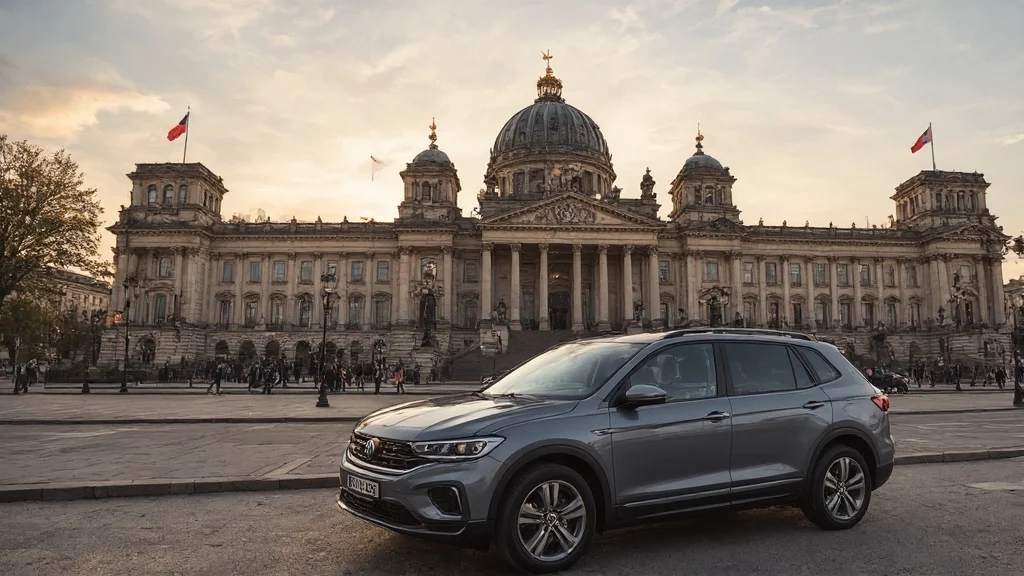
Germany revives its electric-vehicle subsidy program, offering up to €6,000 to low- and middle-income buyers. Discover the impact on the market – read more now!
Germany’s federal government has announced the return of its electric‑vehicle (EV) subsidy scheme, a move designed to revive a market that stalled after the previous program ended in late 2023.
What the new programme offers
Launched by Federal Environment Minister Carsten Schneider, the refreshed incentive is retroactive to 1 January 2024. It targets private households with low‑ to middle‑income earnings, offering grants ranging from €1,500 to €6,000 (approximately $1,700‑$7,000) depending on three key factors:
- Type of vehicle – battery‑electric (BEV), fuel‑cell (FCEV) or plug‑in hybrid (PHEV)
- Household income level
- Number of members in the family
Applicants can submit their claims for registrations that occurred after 1 January, and the subsidy amount is determined by the initial registration date.
Eligibility criteria
Only brand‑new cars purchased or leased by private individuals qualify; company fleets are excluded. The scheme covers:
- Fully electric vehicles (BEVs) and fuel‑cell cars, each eligible for a base grant of €3,000
- Plug‑in hybrids, eligible for a base grant of €1,500
To receive any support, the vehicle must either emit no more than 50 g CO₂ per kilometre or be capable of traveling at least 80 km on electric power alone. Additional bonuses are available for families with young children.
Financial backing and scale
The German government has earmarked a total of €3 billion for the programme. Minister Schneider told Bild that this funding should cover roughly 800,000 vehicles over the next three to four years, describing the incentive as “a strong push for electric mobility in Germany.”
Why the programme was needed
The previous subsidy, known as the Umweltbonus, ran from 2016 until the end of 2023. Budget constraints forced its closure in December 2023, and the market responded sharply: new EV registrations fell by **27.4 %** that year, dropping to **380,609** units.
Early signs of recovery
Thanks to the renewed support, 2025 has already shown a robust rebound. Roughly **545,000** electric cars were registered, lifting the EV share of Germany’s total car market to **19.1 %**, up from **13.5 %** in 2024. The surge reflects improving consumer purchasing power and the appeal of fresh incentives.
Nevertheless, officials caution that the market still relies heavily on government assistance to sustain growth, and a stable, long‑term trajectory remains uncertain.
Who is leading the sales?
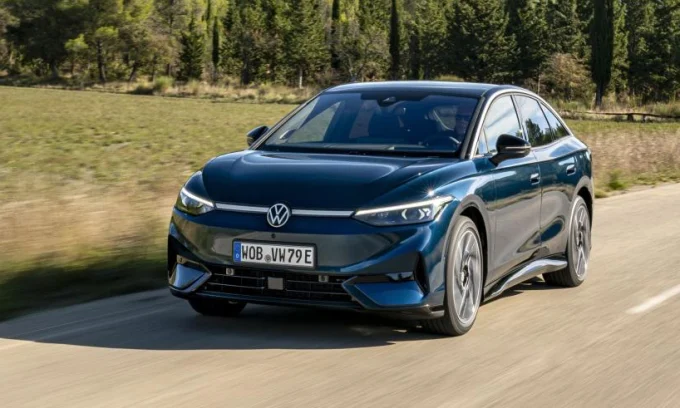
According to Reuters, German‑based Volkswagen, along with its Czech‑owned Skoda brand and Spain‑based Seat, dominate the EV sales landscape in Germany for 2025.
As the subsidy programme rolls out, industry watchers will monitor how the renewed financial push reshapes German and, potentially, broader European electric‑vehicle markets.