
Gasoline prices are soaring worldwide, sparking long queues at stations. Discover why and how to stay informed – read more now!
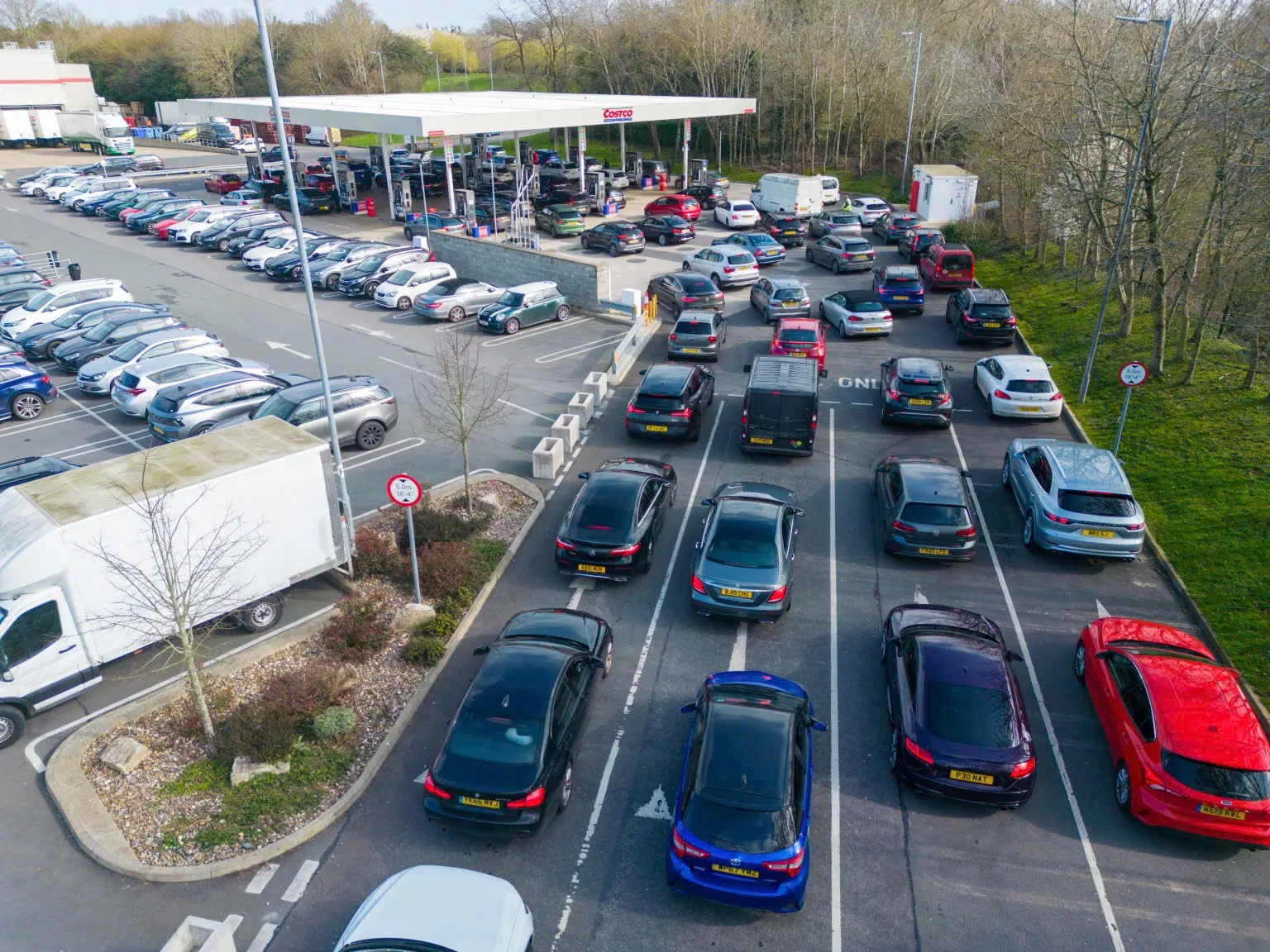
Across continents, gasoline prices have leapt dramatically, prompting motorists to line up for hours at pumps. The spike is being driven by supply worries linked to the strained Hormuz Strait, as well as panic buying that is aggravating local shortages.

Britain: Authorities Urge Calm
In the United Kingdom, leading motoring organisations The AA and RAC have publicly asked drivers not to rush to stations and hoard fuel. The Telegraph cites experts who note that wholesale oil price movements take time to ripple through to retail prices. When consumers act out of fear, they create artificial, localized deficits that could be avoided.
United States: Record‑Level Price Jumps
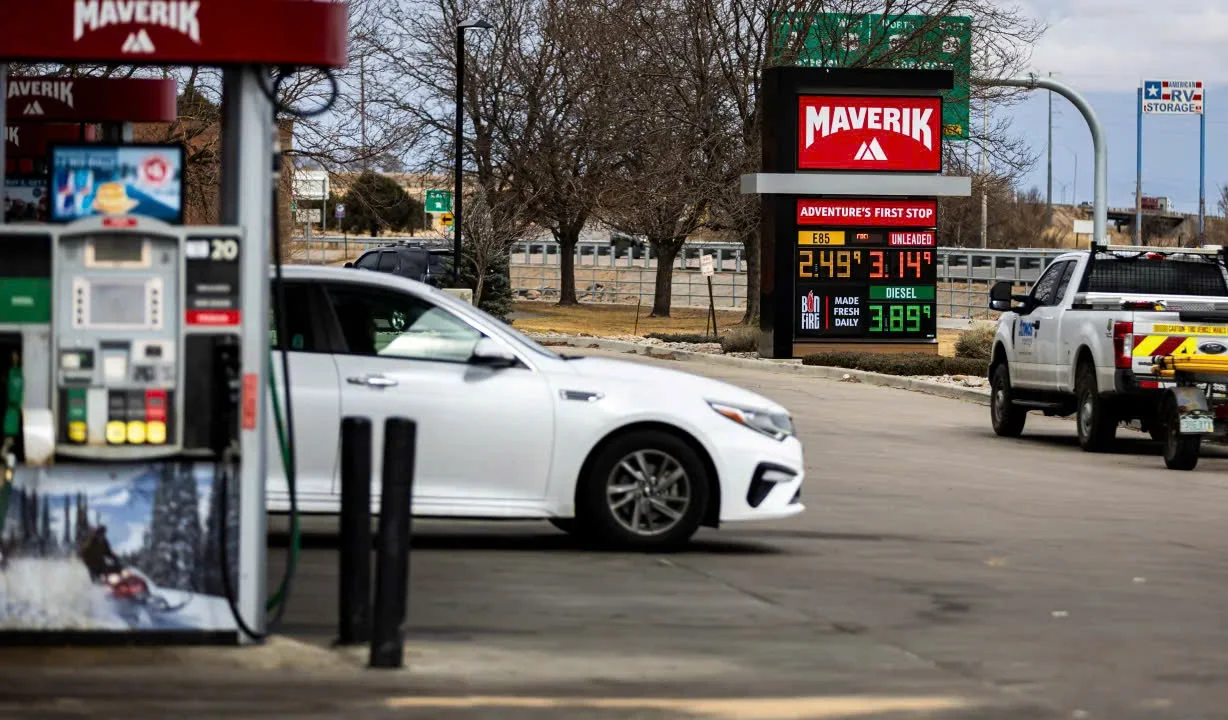
According to Military.com and GasBuddy, the United States experienced its fourth biggest single‑day gasoline price increase since 2005. Within a 24‑hour window on February 2‑3, the national average rose by 12 cents per gallon, with analysts projecting an additional 20‑55 cents rise over the next two weeks. GasBuddy’s Patrick De Haan compares this surge—mirroring a 10.8‑cent jump in diesel—to historic shocks such as Hurricane Katrina and the early stages of the Russia‑Ukraine conflict.
Australia: Long Lines and Legal Action
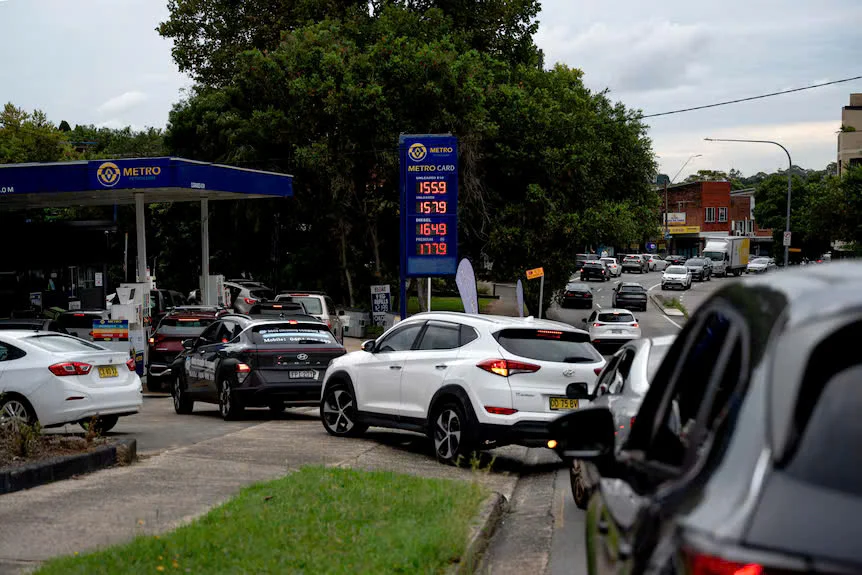
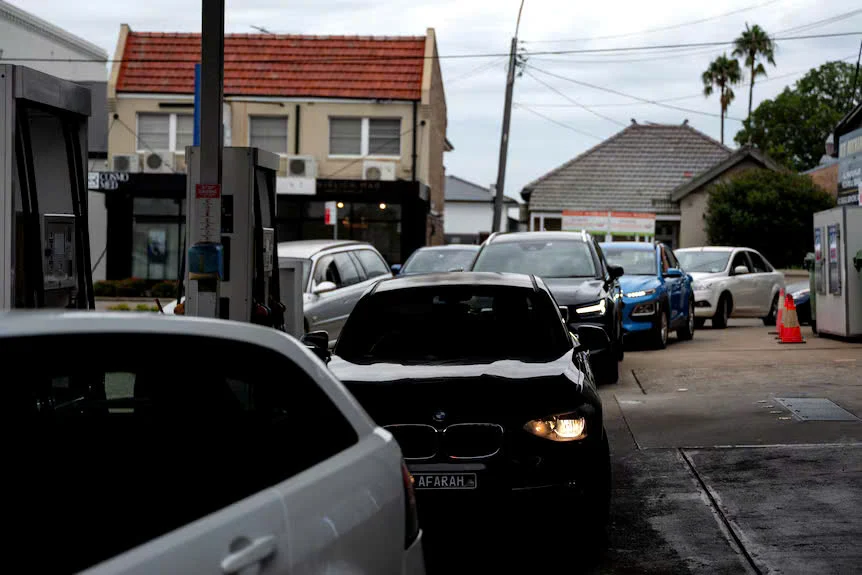
ABC News reports that Australian cities including Perth, Sydney and Melbourne are witnessing tail‑end traffic jams as drivers flock to stations. Retail prices have breached AUD 2.19 per litre, prompting the RACQ automobile association to lodge a complaint with the Australian Competition and Consumer Commission (ACCC) over possible profiteering. Energy Minister Chris Bowen reassured the public that national reserves will last until May and stressed that the distribution network remains robust, warning that hoarding only amplifies market pressure.
Thailand‑Myanmar Border: Cross‑Border Panic
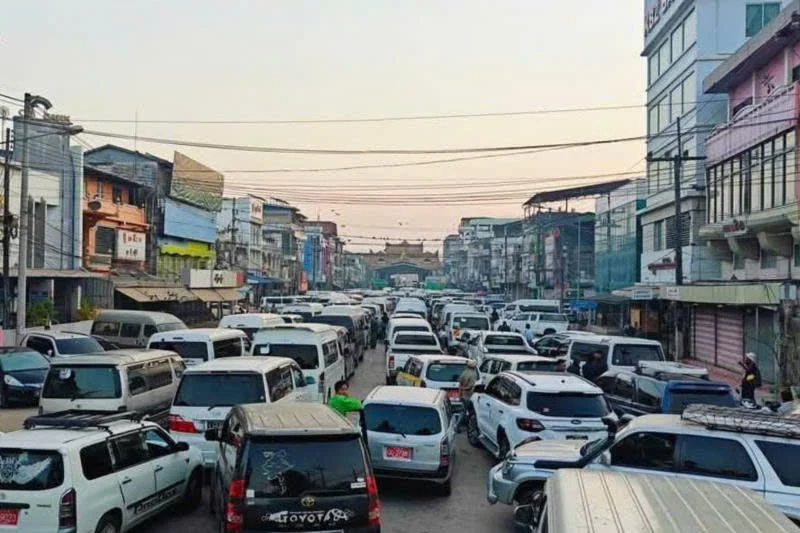
The Bangkok Post highlights a tense scene at the Myawaddy–Mae Sot Friendship Bridge. Thai motorists are racing across the border to fill their tanks, fearing imminent price hikes and supply cuts. In response, Myanmar’s military government has imposed a rotating vehicle restriction—odd‑numbered plates on odd days and even‑numbered on even days—citing global energy supply disruptions caused by Middle‑East tensions. The rule took effect on March 7.
Thailand’s Domestic Market: Diverging Prices
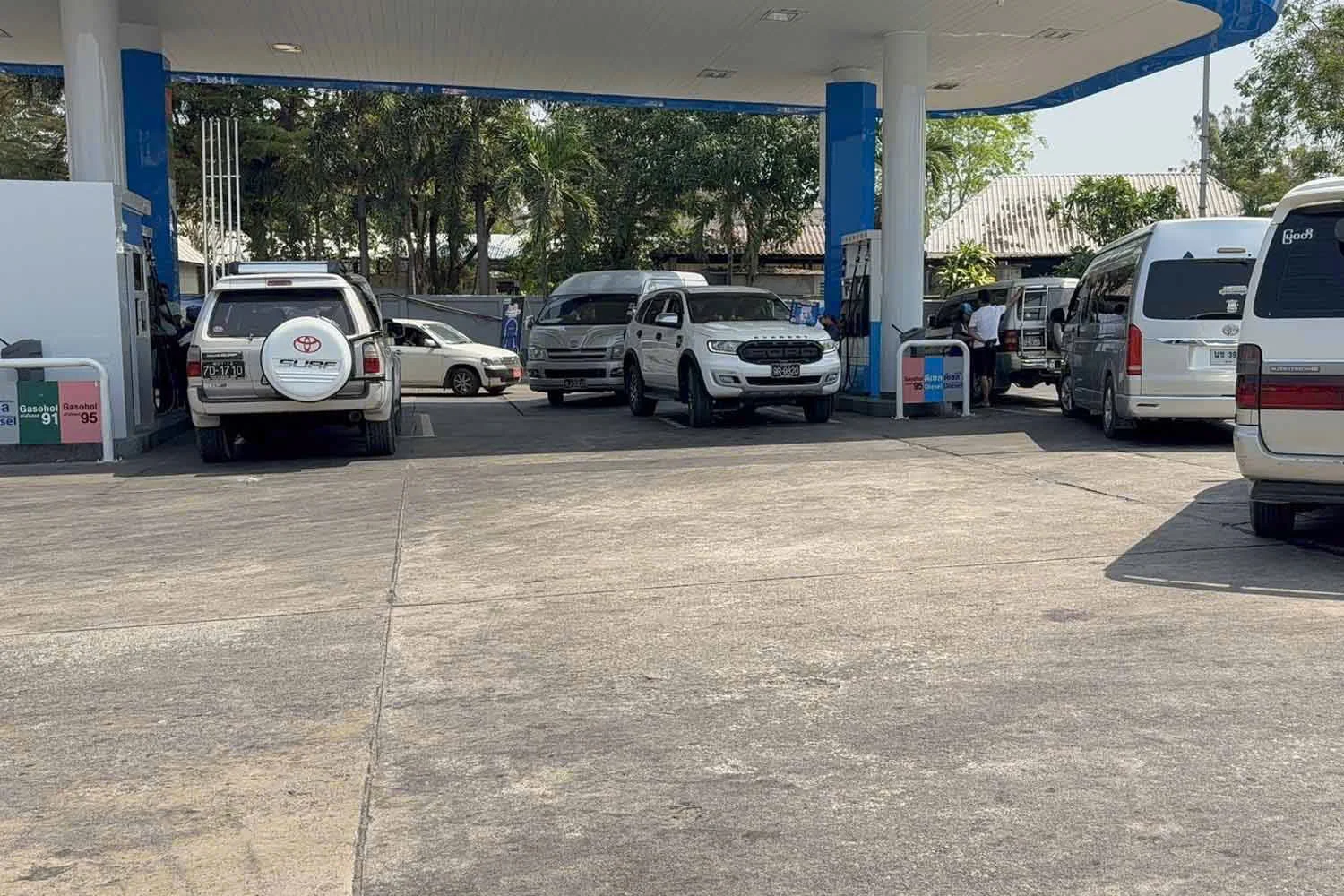
Within Thailand, fuel pricing is uneven. Shell raised diesel by 4.20 baht per litre and bio‑gasoline by 1.50 baht, while Caltex increased diesel by 1.80 baht and bio‑gasoline by 0.90 baht. Conversely, state‑owned majors PTT and Bangchak have pledged to keep prices unchanged to stabilise the market.
What This Means for Consumers
These developments underscore how geopolitical shocks can quickly translate into everyday price pain. While governments scramble to secure supply chains, consumers can mitigate impact by:
- Monitoring official price updates rather than reacting to rumours.
- Planning travel to avoid peak‑hour fuel purchases.
- Exploring alternative transport modes where feasible.
Staying informed and exercising patience remain the best tools to navigate this volatile period.