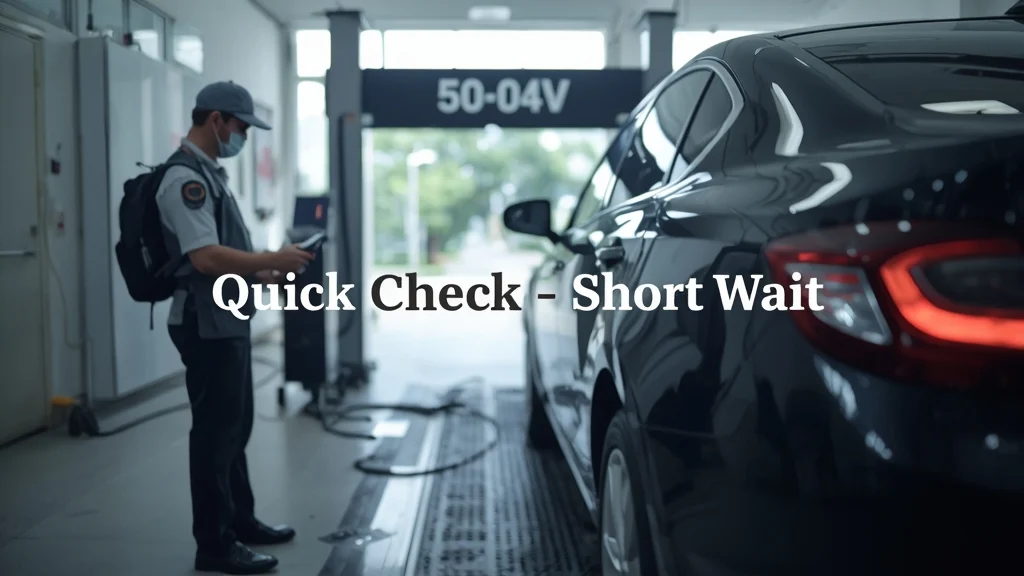
Explore how Ho Chi Minh’s 50-04V car inspection center reduces queues and speeds up emissions testing. Find tips for a smoother visit – read more now!
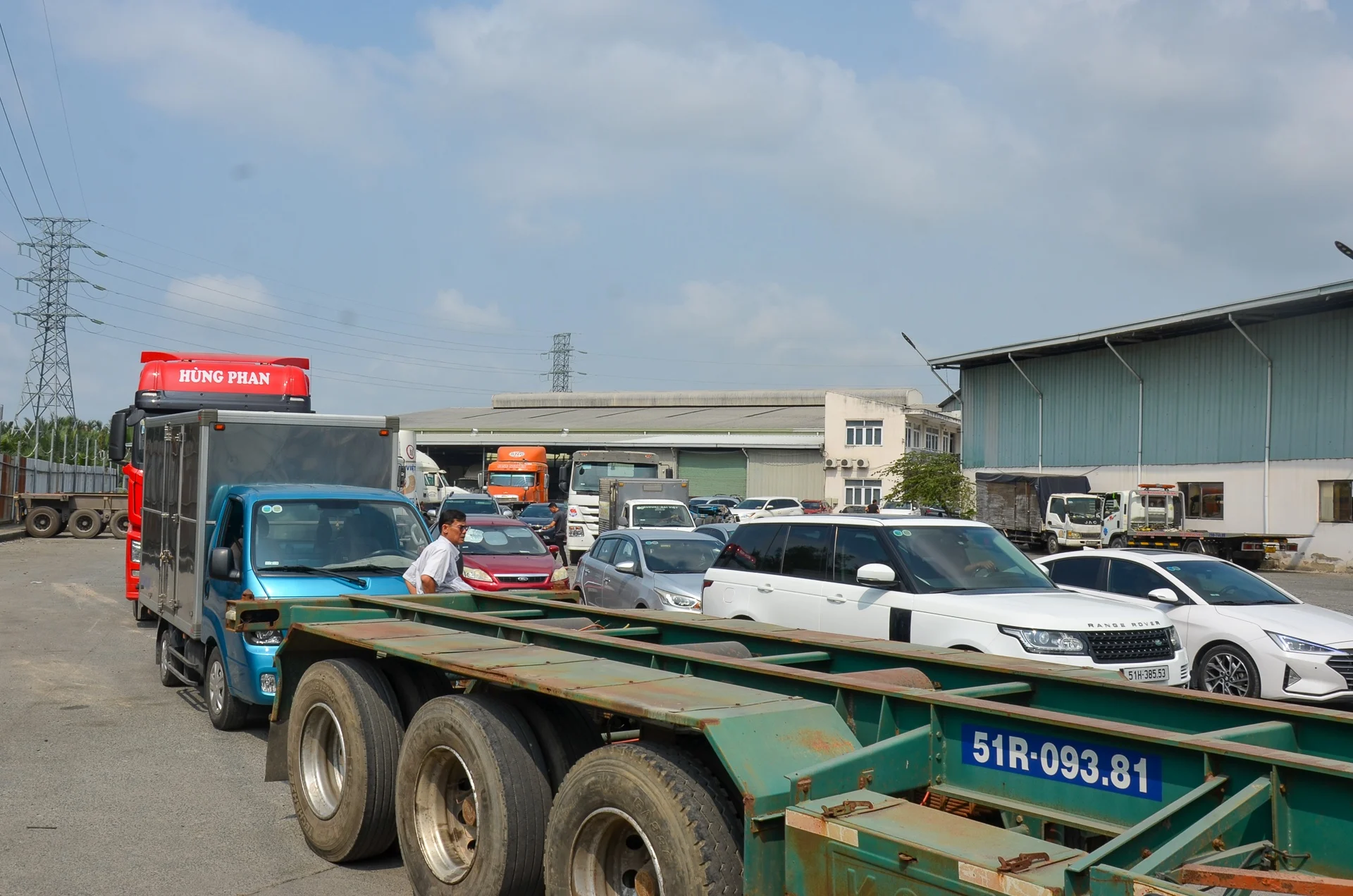
Recent weeks have seen a surge of interest in vehicle inspections across Ho Chi Minh City, driven by new emission standards and reports of crowded inspection centers in early March.
What visitors saw at the 50-04V Inspection Center
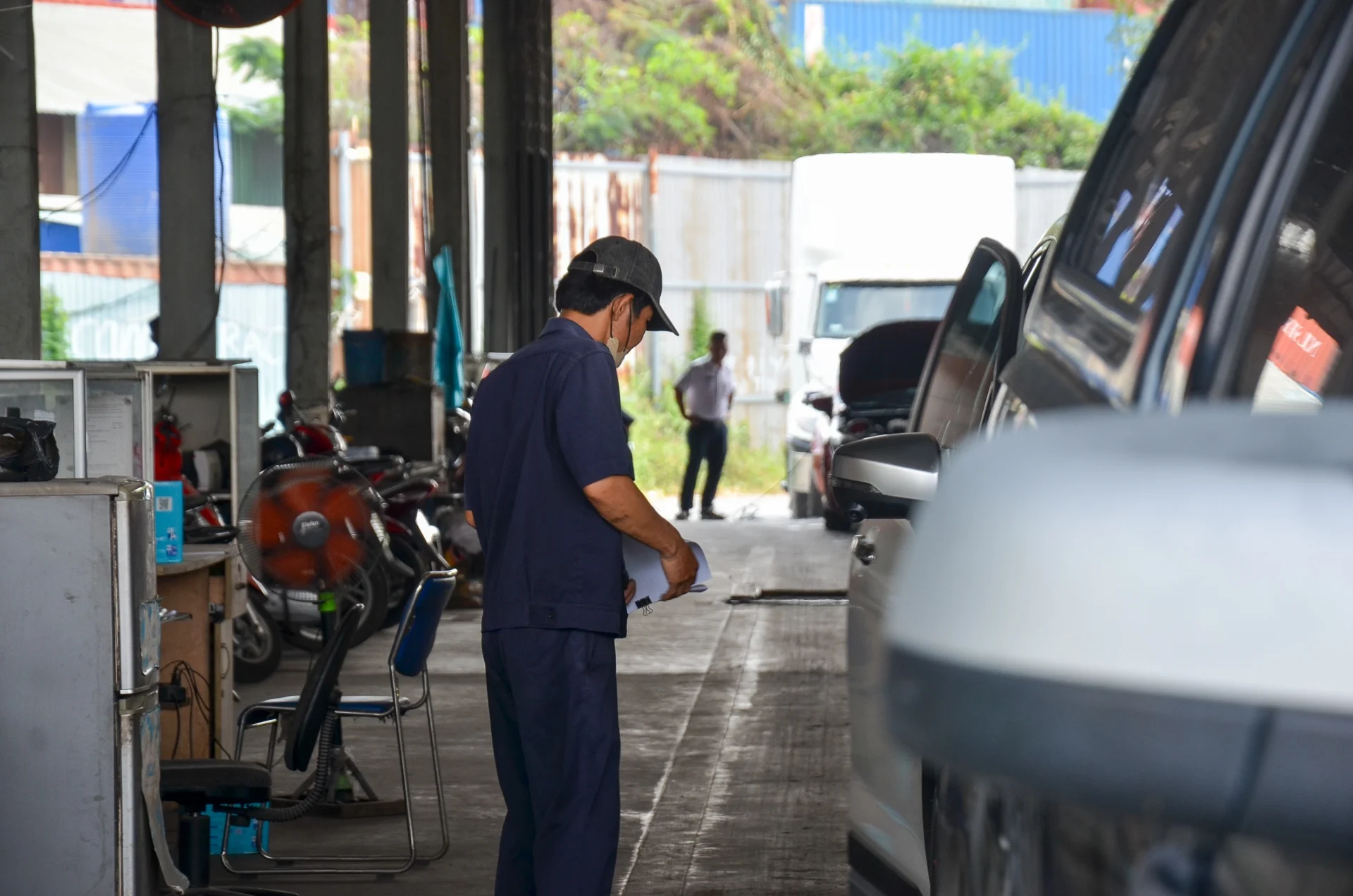
Our reporter visited the 50-04V Center in the Cát Lái district on 4 March. While a line of cars was still present, the crowd was noticeably lighter than the peak congestion recorded at many stations four years ago.
Waiting times
Drivers like Mr Bảo, who arrived at 8 a.m. after picking up his car from An Khánh, waited more than two hours before his turn arrived. “I heard the wait was longer earlier, so I came early, but I’m still waiting a long time,” he said, hoping the process would finish quickly so he could get back to work.
Security staff confirmed that the center experienced heavy traffic during the first days of March, but the queue length had decreased significantly by 4 March.
Inspection process – fast once you’re on the line
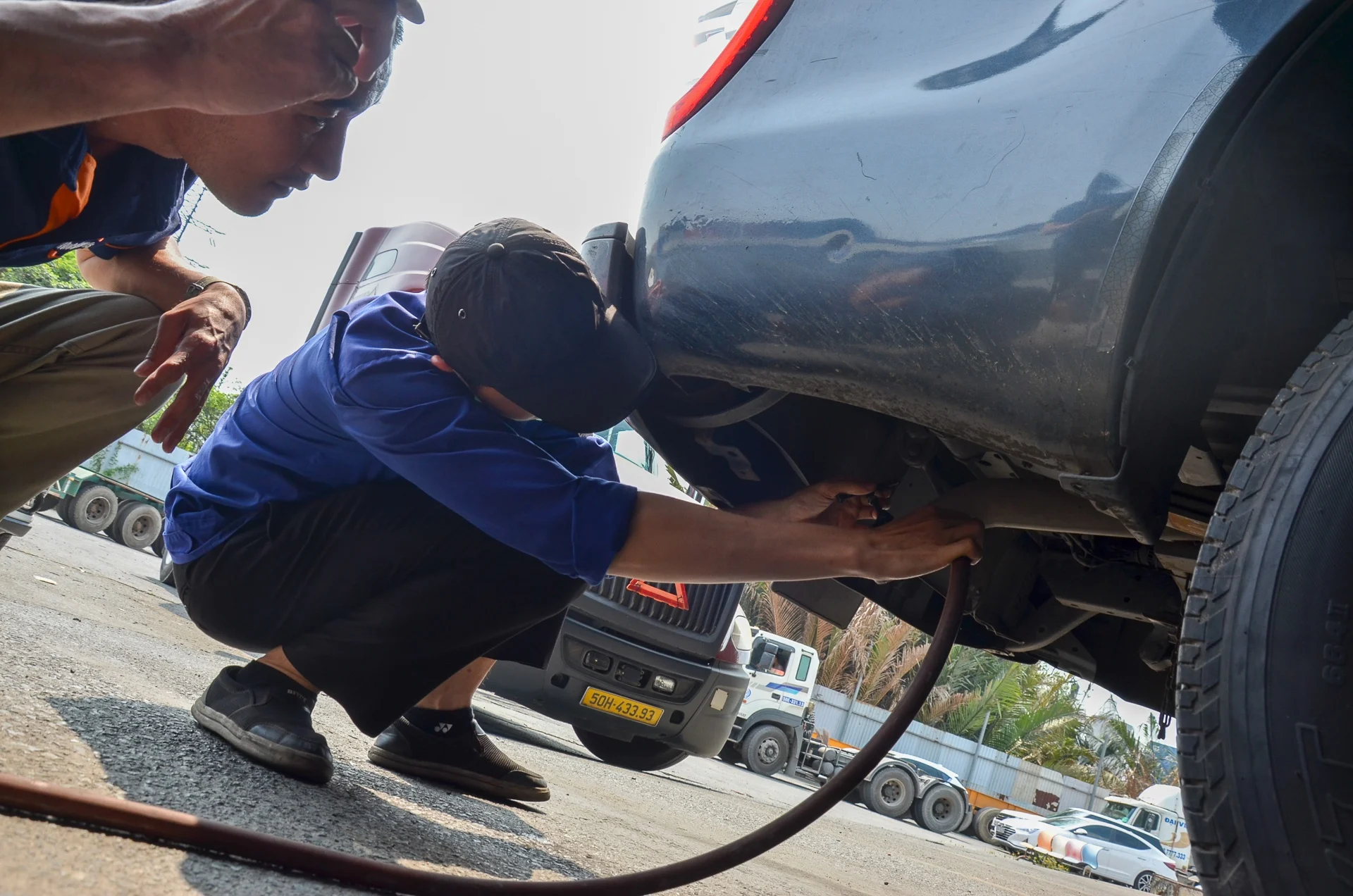
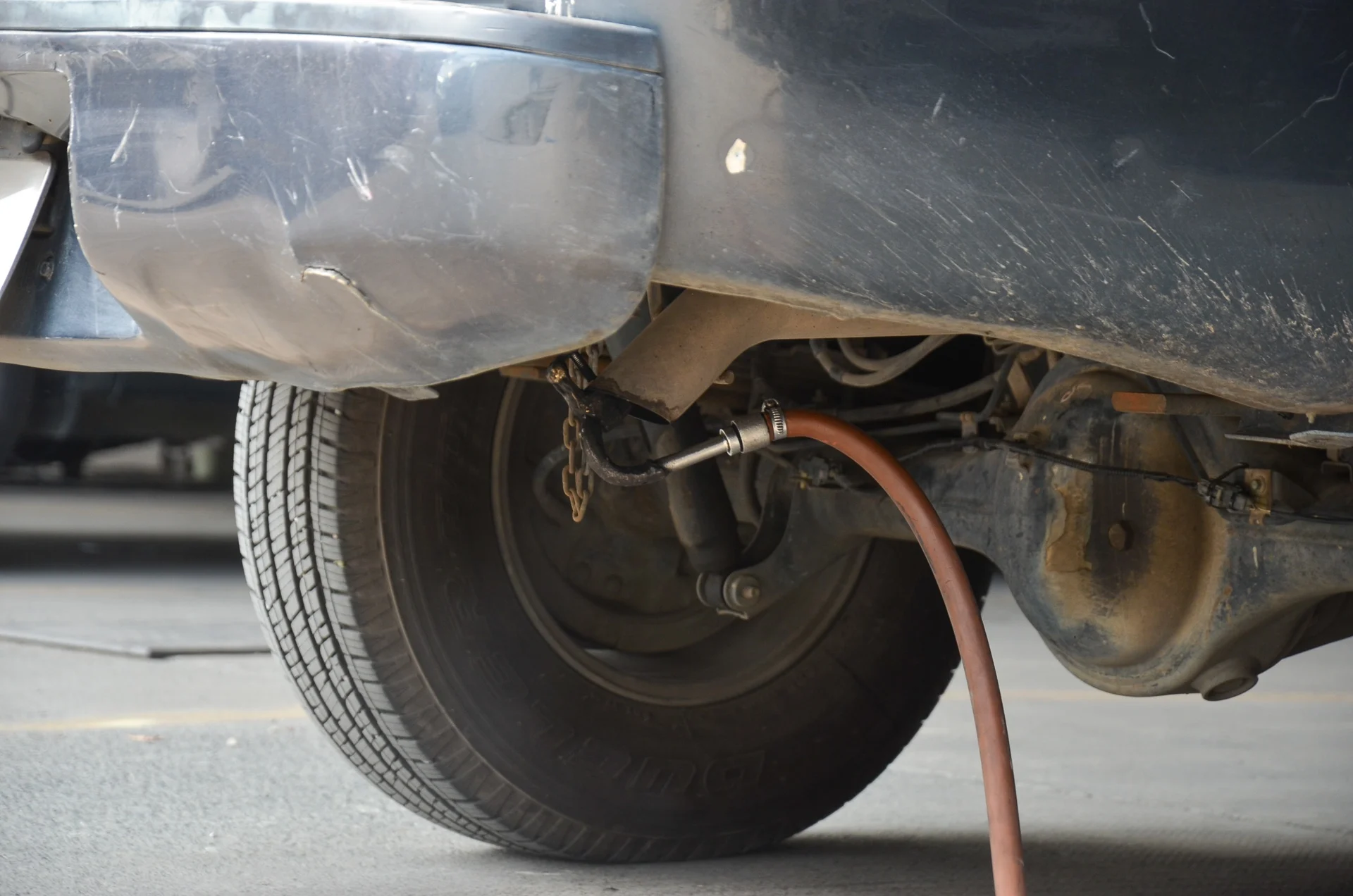
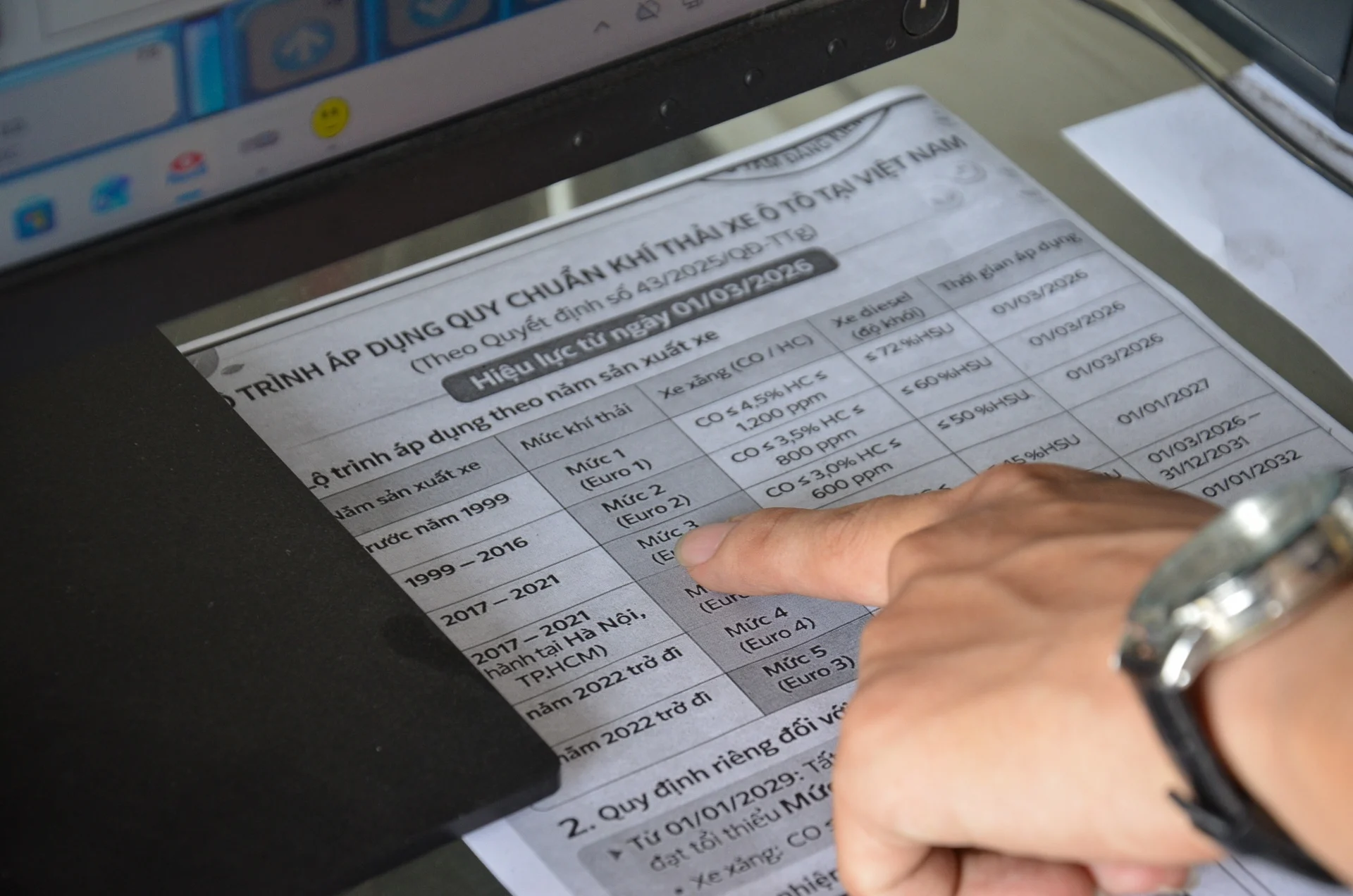
Regardless of vehicle type – passenger car, truck or container vehicle – the actual testing is efficient. For gasoline‑powered cars, the emissions check involves two steps: a stationary engine run and a high‑rpm acceleration (2,000–3,000 rpm) while the tester records pollutant levels.
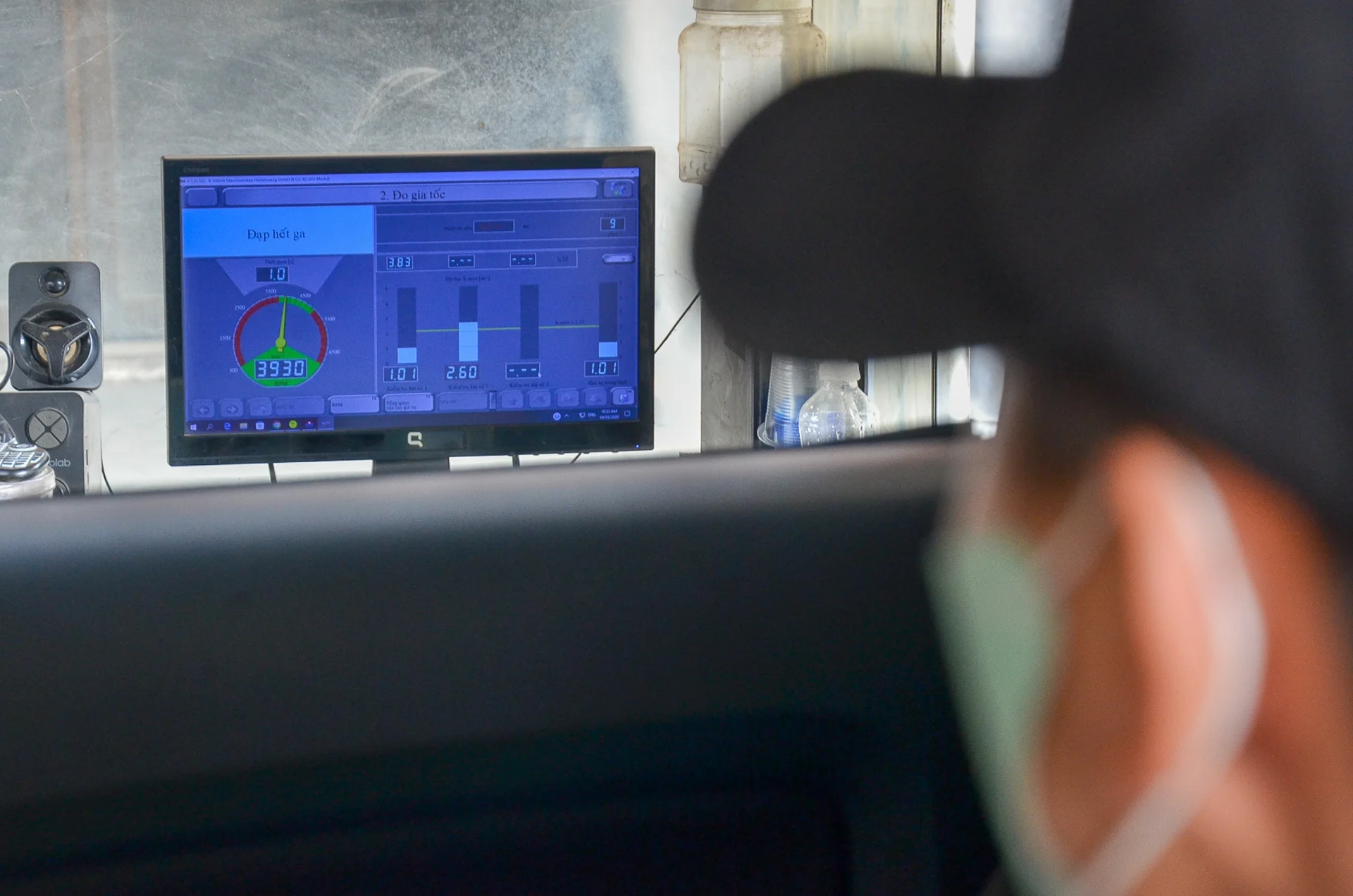
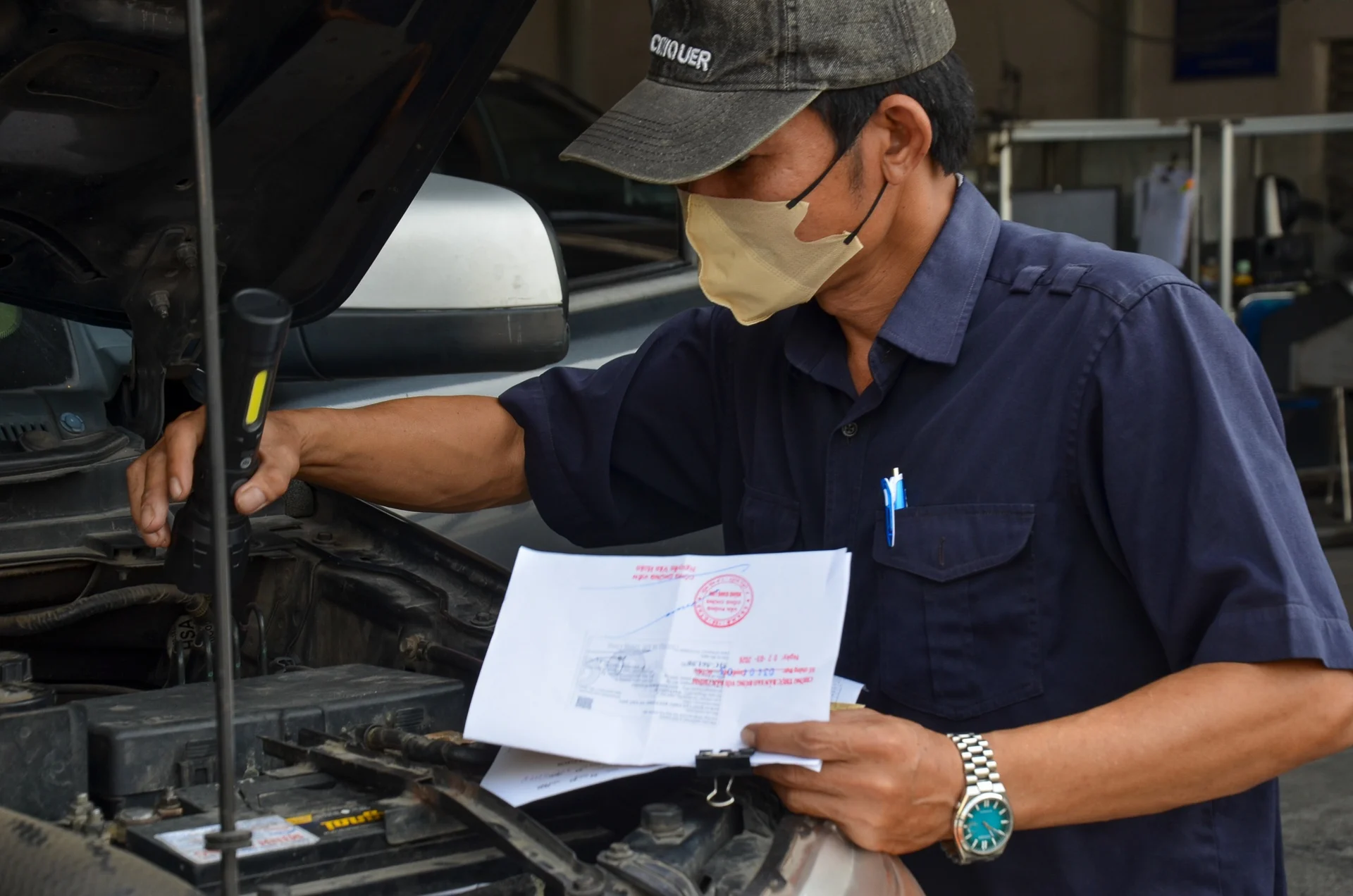
Diesel vehicles follow a slightly longer protocol. Instead of measuring CO, HC and CO₂ directly, inspectors evaluate smoke opacity with a specialized device. The test may require the engine to rev above 3,700 rpm, as observed on a diesel pickup, to obtain a valid reading.
Other safety checks
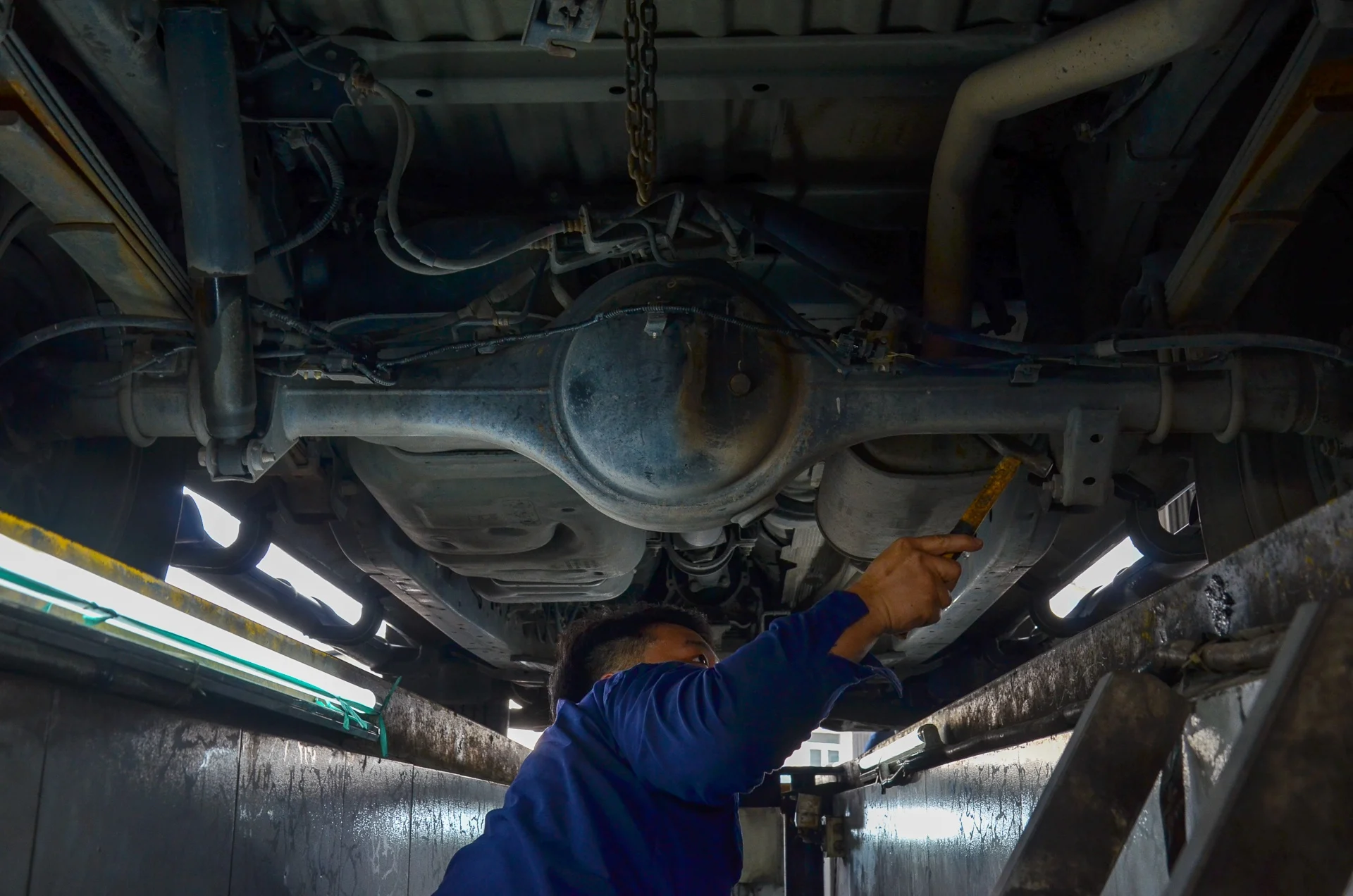
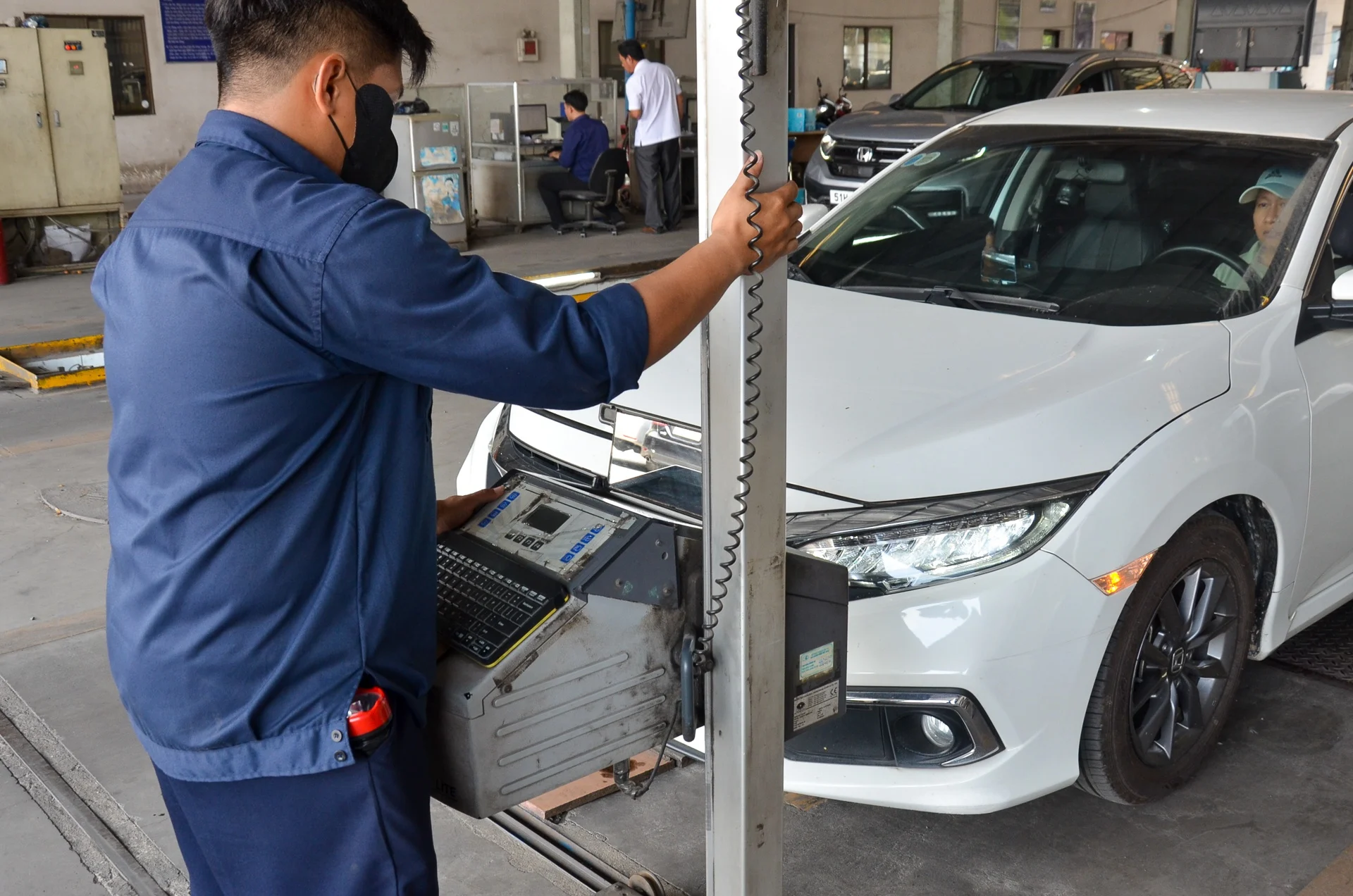
After emissions, the vehicle moves to stations that examine suspension, steering, chassis, brakes, tire and rim condition, as well as lighting. Drivers are asked to activate turn signals, hazard lights, and to engage reverse gear while the examiner also inspects seat‑belt integrity.
Real-world example
Mr Trọng, owner of a 2015 Ford Ranger, arrived before 8 a.m., entered the line at about 10:30 a.m. and completed the whole inspection by 10:50 a.m.
Certificates and stickers
Following the test, the vehicle receives a new compliance sticker. Under Decree 364 (effective 2026), the old road‑usage tax sticker on the windshield will be removed. Since 1 March, the technical safety and environmental protection certificate is issued electronically nationwide.
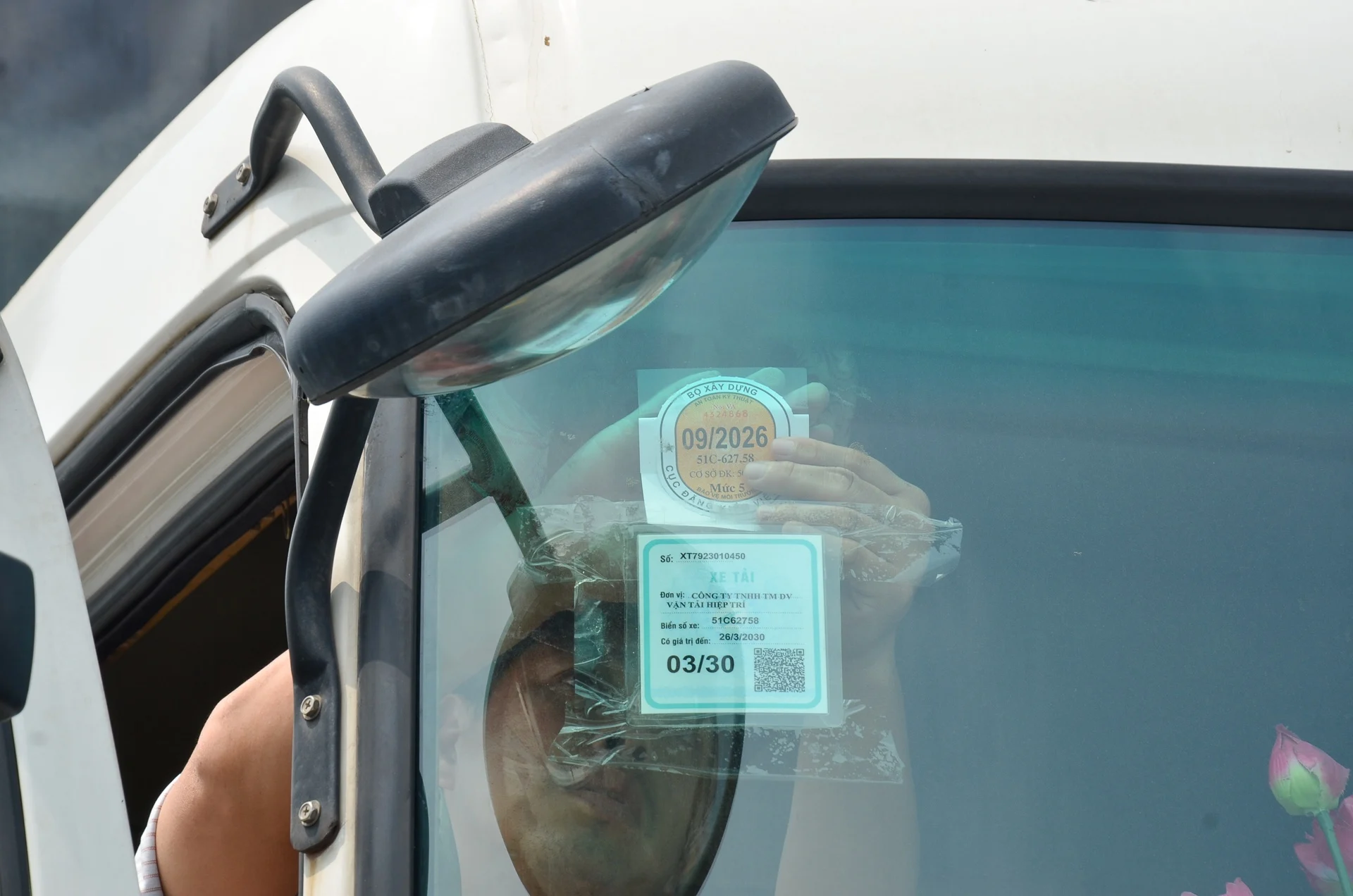
For owners who still prefer a paper document, the center prints the certificate directly from the management software and affixes an official seal. However, attaching the new compliance sticker still takes about 30–40 minutes per vehicle.
Overall impression
While queues at the 50‑04V Center remain longer than ideal, the inspection itself is considerably faster than in previous months. Drivers can expect a smoother, quicker clearance once their vehicle reaches the testing line.
Plan your visit early, bring required documents, and you’ll be on the road faster. For the latest updates on inspection schedules, follow local traffic authorities.