
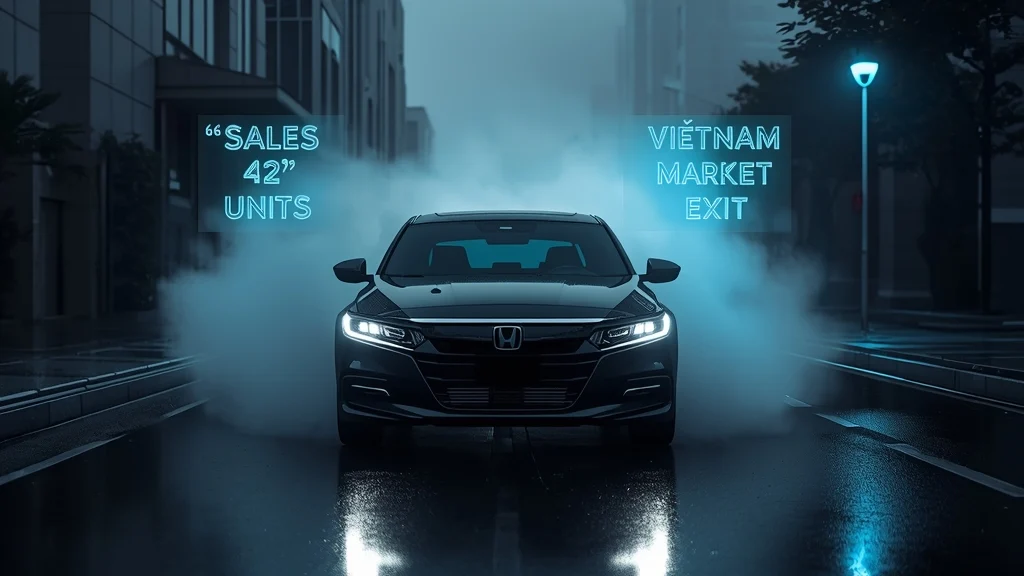
The Honda Accord may be pulled from Vietnam’s market, with sales dropping to just 42 units in 2025. Discover the reasons and future plans – read more now!
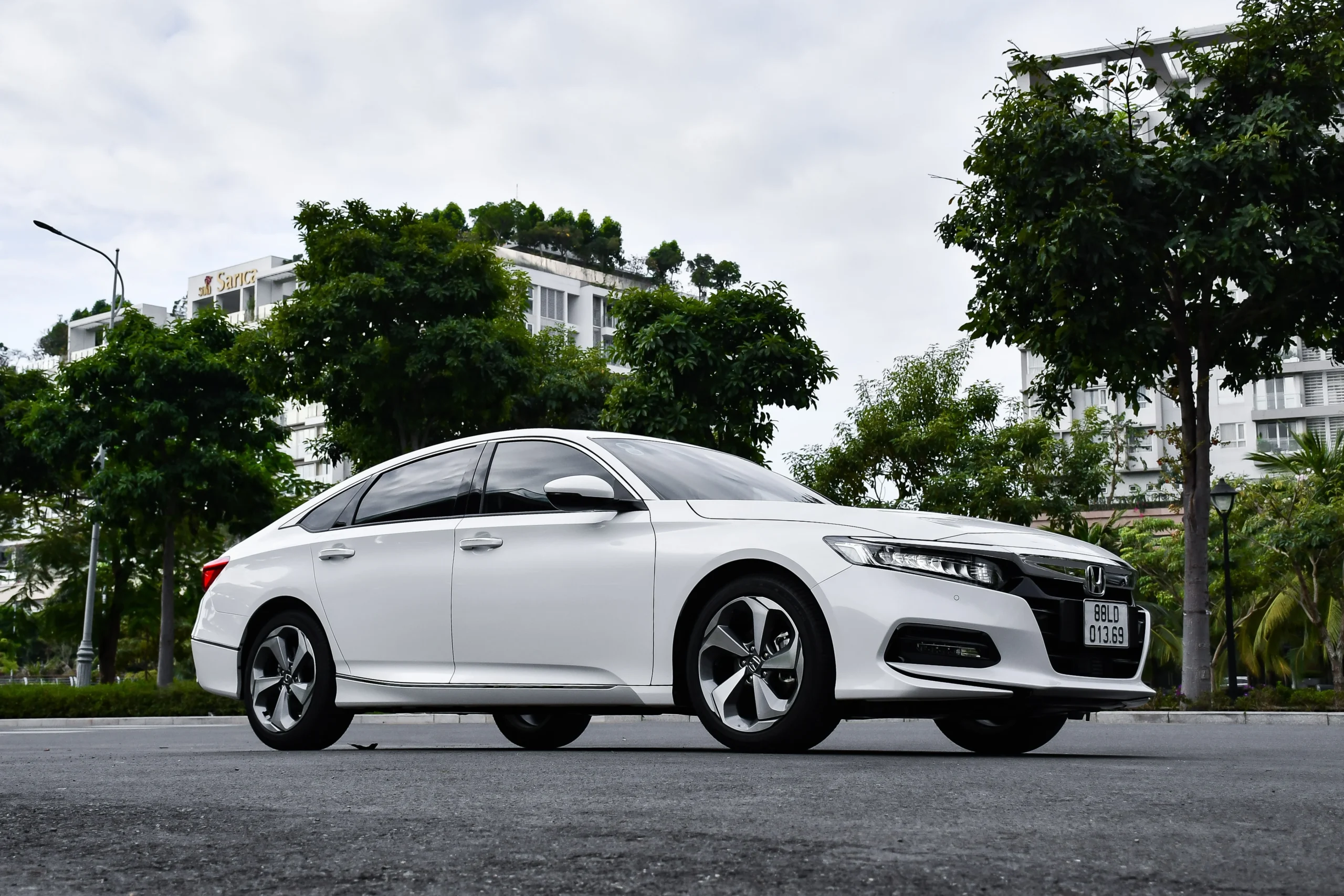
Honda’s official Vietnam website has quietly removed the midsize sedan from its model lineup, erasing pricing tables and promotional banners that typically accompany the Honda Accord. While the automaker has not issued a formal statement, the disappearance from the online catalog strongly suggests that the vehicle is temporarily out of the market.
Why the Accord Is Struggling
Historically, the Accord has been one of the lower‑selling models in Vietnam’s competitive automotive sector. In 2025, only 42 units—roughly three cars per month—were registered, making it the least popular model in the D‑segment.
Market Landscape: D‑Segment in Decline
The Vietnamese market is witnessing a shift away from traditional low‑floor sedans. Models such as the Mazda6, Kia K5, and the Toyota Camry are all feeling the pressure, with the Camry being the sole survivor that managed to keep sales relatively steady at 2,489 units in 2025.
Supply Chain and New Technology
The local Accord units have been fully imported from Thailand, where the latest generation debuted with a hybrid powertrain. Industry insiders speculate that Honda may be planning a refreshed model featuring a new engine option—potentially a more advanced hybrid system—to better align with the region’s push toward electrification.
What Could Come Next?
The removal of the Accord from the website likely isn’t a final goodbye. Instead, it may be a strategic pause to re‑engineer the sedan for a market increasingly dominated by SUVs, crossovers, and electric vehicles. A future Accord Hybrid equipped with Honda’s e:HEV technology could serve as a decisive move to reclaim share in the shrinking D‑segment.
Conclusion
While the current status of the Honda Accord in Vietnam remains uncertain, the brand’s next steps will be closely watched. Whether the sedan returns with a modern hybrid powertrain or is permanently phased out will depend on how quickly consumer preferences shift toward greener, higher‑ride‑height vehicles.