

Honda has prolonged the shutdown of its three Chinese factories due to a persistent chip shortage. Learn how the supply crunch is reshaping auto production worldwide.

Honda Motor Co. announced it will extend the temporary shutdown of its three joint‑venture factories in China by an additional two weeks, pushing the restart date to 19 January. The decision comes as the automaker continues to grapple with a severe semiconductor shortage that has snarled production lines across the globe.

Why the plants are still idle
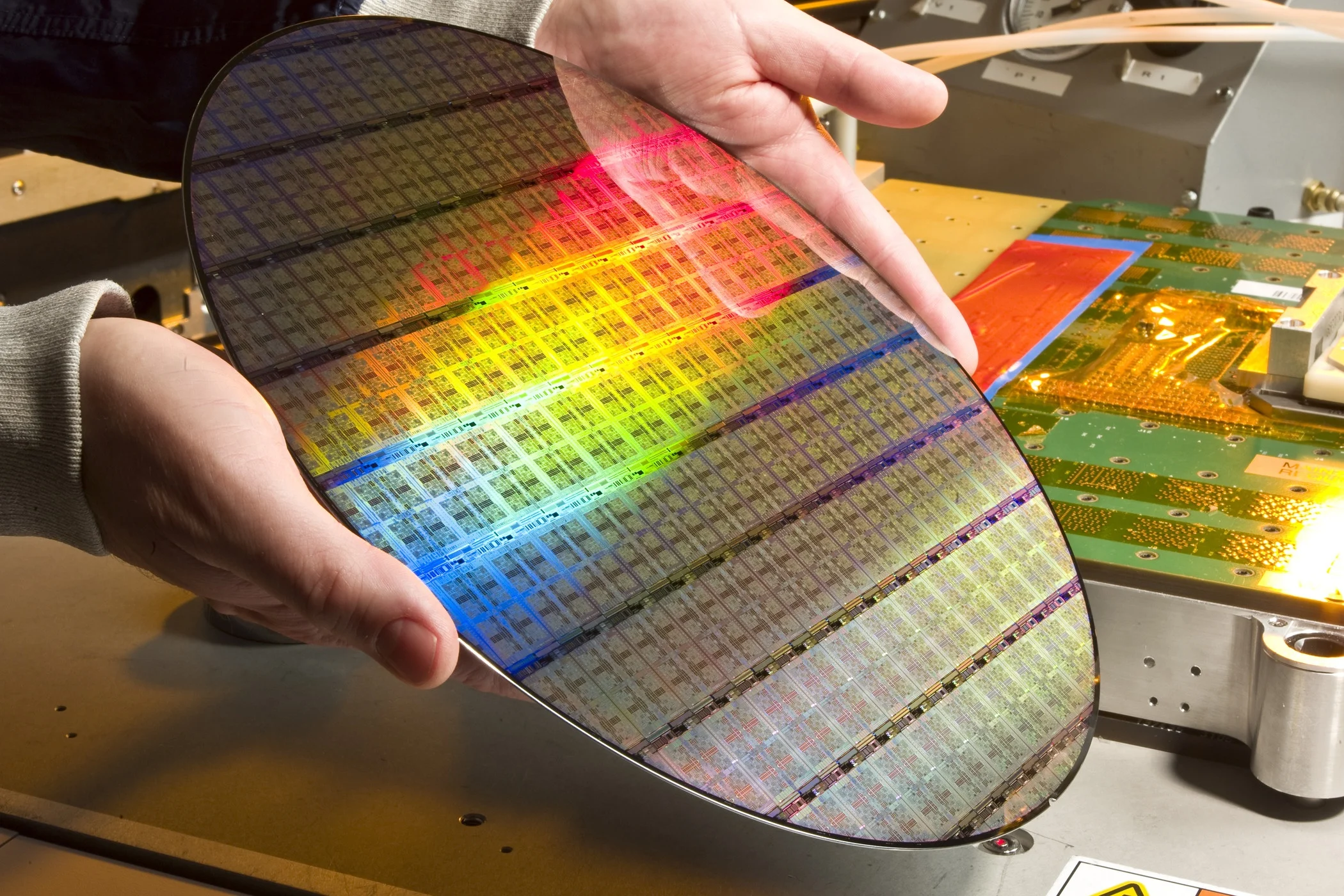
The delay is linked to late deliveries from Nexperia, a Dutch‑based chip maker owned by China’s Wingtech. Logistical hiccups and ongoing trade disputes have slowed the supply of essential power‑semiconductor components, forcing Honda to revise its manufacturing schedule.
Impact on Honda’s output
The three Chinese plants, operated in partnership with Guangzhou Automobile Group (GAC), were slated to resume on Monday but will now stay offline until mid‑January. This postponement adds to earlier production cuts Honda faced in North America from October to November last year, also caused by the same chip crunch.
Broader industry implications
Honda’s reliance on a limited number of semiconductor suppliers highlights a systemic vulnerability in the automotive sector. With consumer electronics and electric‑vehicle demand siphoning off chips, manufacturers worldwide are forced to trim output or delay launches.
What’s next for the auto supply chain?
Industry analysts say diversifying chip sources and boosting local production are essential steps to mitigate future disruptions. Until such measures take hold, automakers like Honda may continue to adjust schedules, affecting everything from vehicle availability to pricing.
Stay tuned for updates on how the semiconductor shortage evolves and what it means for car buyers around the world.