
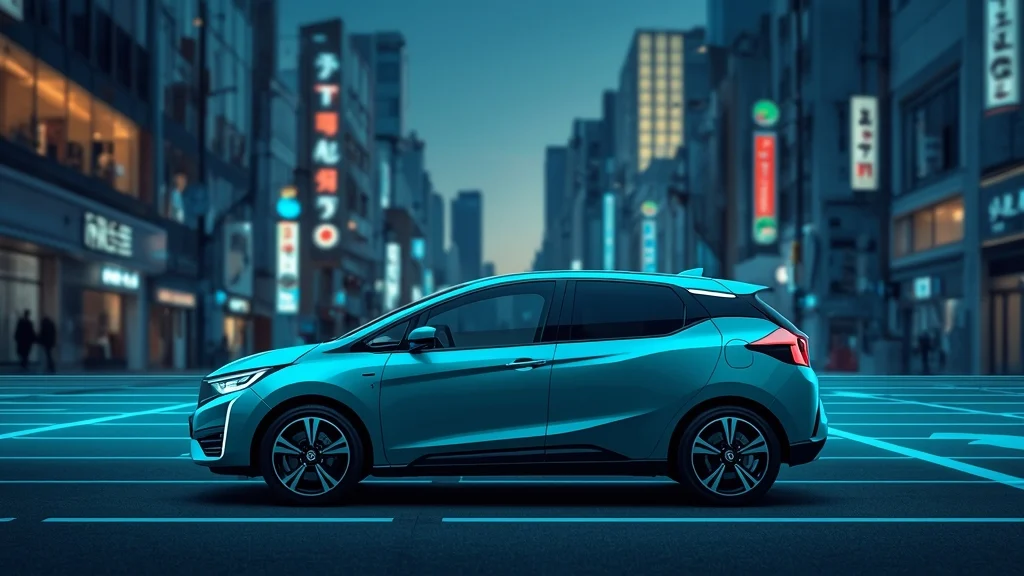
Honda plans to debut an electric version of its best‑selling N‑Box kei car by FY2027, aiming to boost Japan’s EV adoption. Discover the details now.
Japanese automaker Honda announced plans to roll out an all‑electric version of its N‑Box, the country’s top‑selling kei car, in the fiscal year 2027. The move is seen as a crucial step toward accelerating the adoption of electric vehicles (EVs) in a market that has been slow to transition.
Why the N‑Box?
Launched in 2011, the N‑Box has become a household name in Japan, with over 200,000 units sold by 2024. Its spacious interior, compact dimensions and price starting at roughly ¥1.7 million (≈ $11,000) helped it outpace even the Toyota Corolla and claim the title of best‑selling model for three consecutive years.
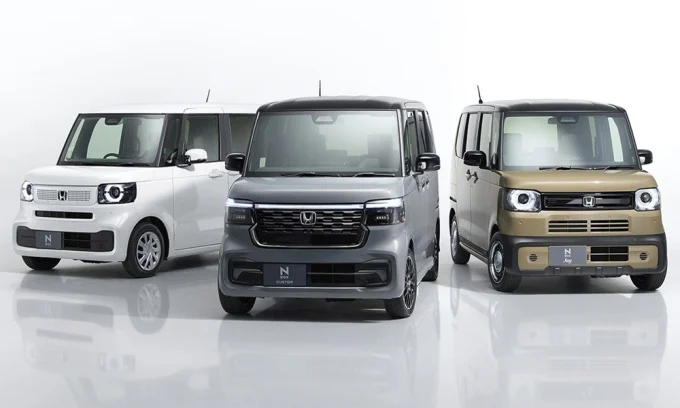
Current powertrain and upcoming electric version
Today the N‑Box is only available with a 658 cc three‑cylinder gasoline engine, delivering 58 hp naturally aspirated or 63 hp with a turbocharger. Honda has not yet disclosed range, battery size or pricing for the electric variant, but expects to keep the gasoline model on the market alongside the EV.
What makes a kei car?
Kei cars are a uniquely Japanese vehicle class with strict size limits: no more than 1.48 m wide, 3.4 m long and 2 m tall. These compact dimensions qualify the cars for lower taxes and, for electric models, additional subsidies that mirror the incentives given to gasoline‑powered kei cars.
Japan’s EV landscape
Electric vehicles account for only about 2 % of new‑car registrations in Japan—by far the lowest share among major economies. Nevertheless, small electric cars are gaining traction. Nissan’s Sakura and Mitsubishi’s eK X together captured more than 40 % of Japan’s EV sales in 2024, highlighting the growing appeal of city‑friendly EVs.
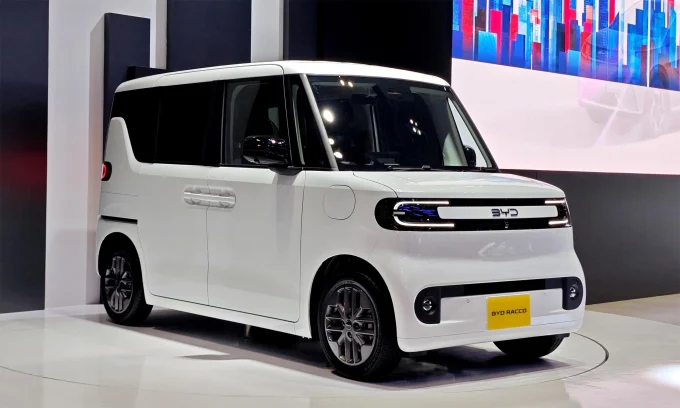
Rising competition
Chinese EV leader BYD has entered the kei‑car arena with the Racco, a model unveiled at the Tokyo Motor Show in October explicitly designed to challenge the N‑Box. Suzuki also plans to introduce its own compact electric vehicle, targeting a launch in fiscal 2026 or later.
Looking ahead
Honda’s electric N‑Box could reshape the domestic EV market by offering an affordable, practical alternative to larger, pricier models. With government incentives and a strong heritage, the forthcoming EV may help Japan accelerate its shift toward greener mobility.
Stay tuned for updates on Honda’s electric N‑Box and the evolving Japanese EV market.