
Honda announces a $15.7 billion write‑down on its electric‑vehicle investments, cancelling US EV models and pivoting to hybrids. Learn how this reshapes its global strategy.
Japan’s second‑largest automaker has taken a staggering $15.7 billion write‑down on its electric‑vehicle (EV) portfolio, effectively scrapping three planned EV models for the United States and re‑orienting its North‑American strategy toward hybrids.
What the Write‑Down Means for Honda
The write‑down, estimated at around 2.5 trillion yen, reflects the full impairment of assets tied to Honda’s EV development, production tooling, and supplier contracts. It will push the company into its first annual loss in nearly seven decades of public trading.
Scale of the loss
- Impairment amount: ~2.5 trillion yen ($15.7 bn).
- Cash outlay for compensation and supplier settlements: up to 1.7 trillion yen.
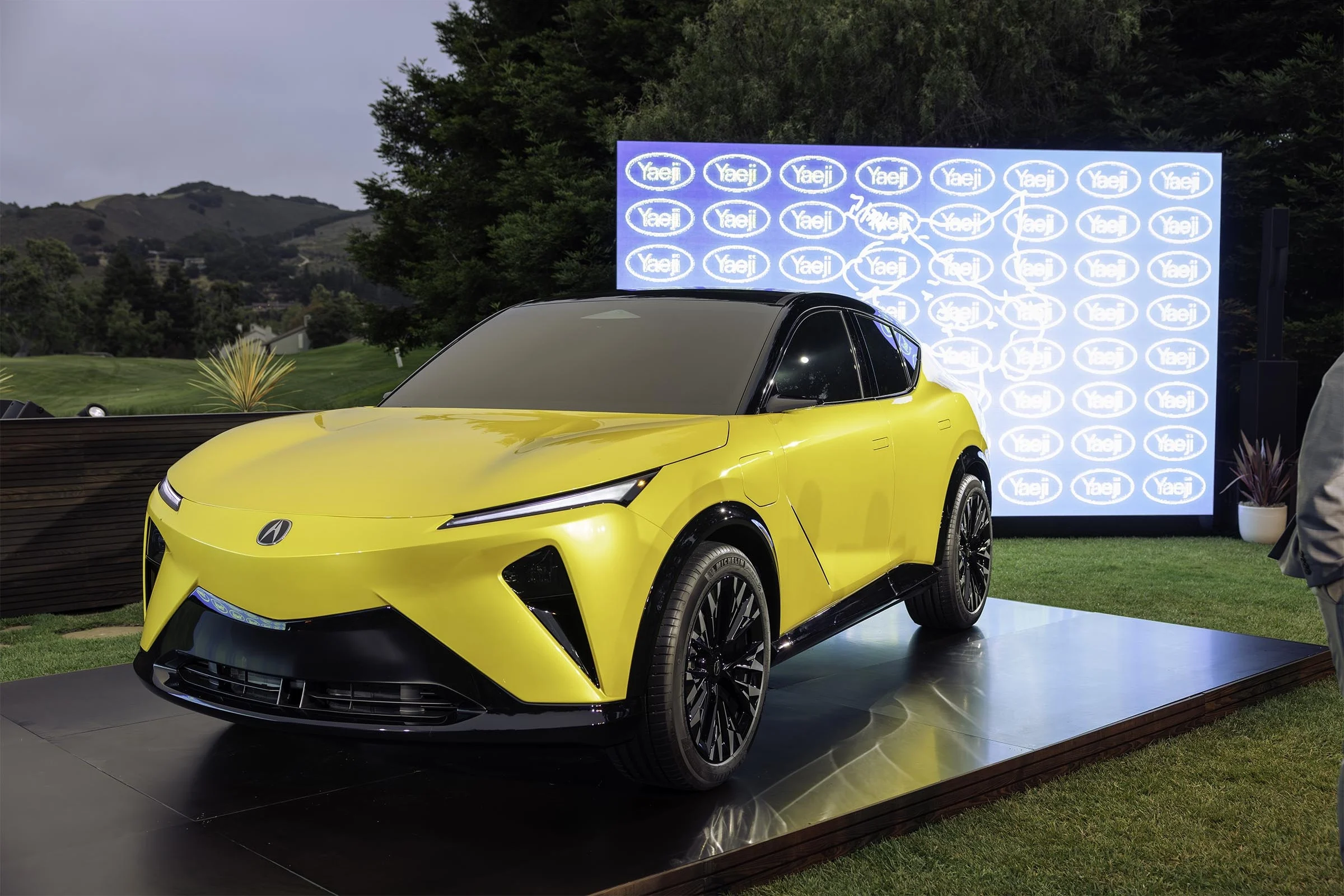
- Three EV models cancelled: Honda 0 Saloon, Honda 0 SUV, and Acura RSX.
Cancellation of US EV Models
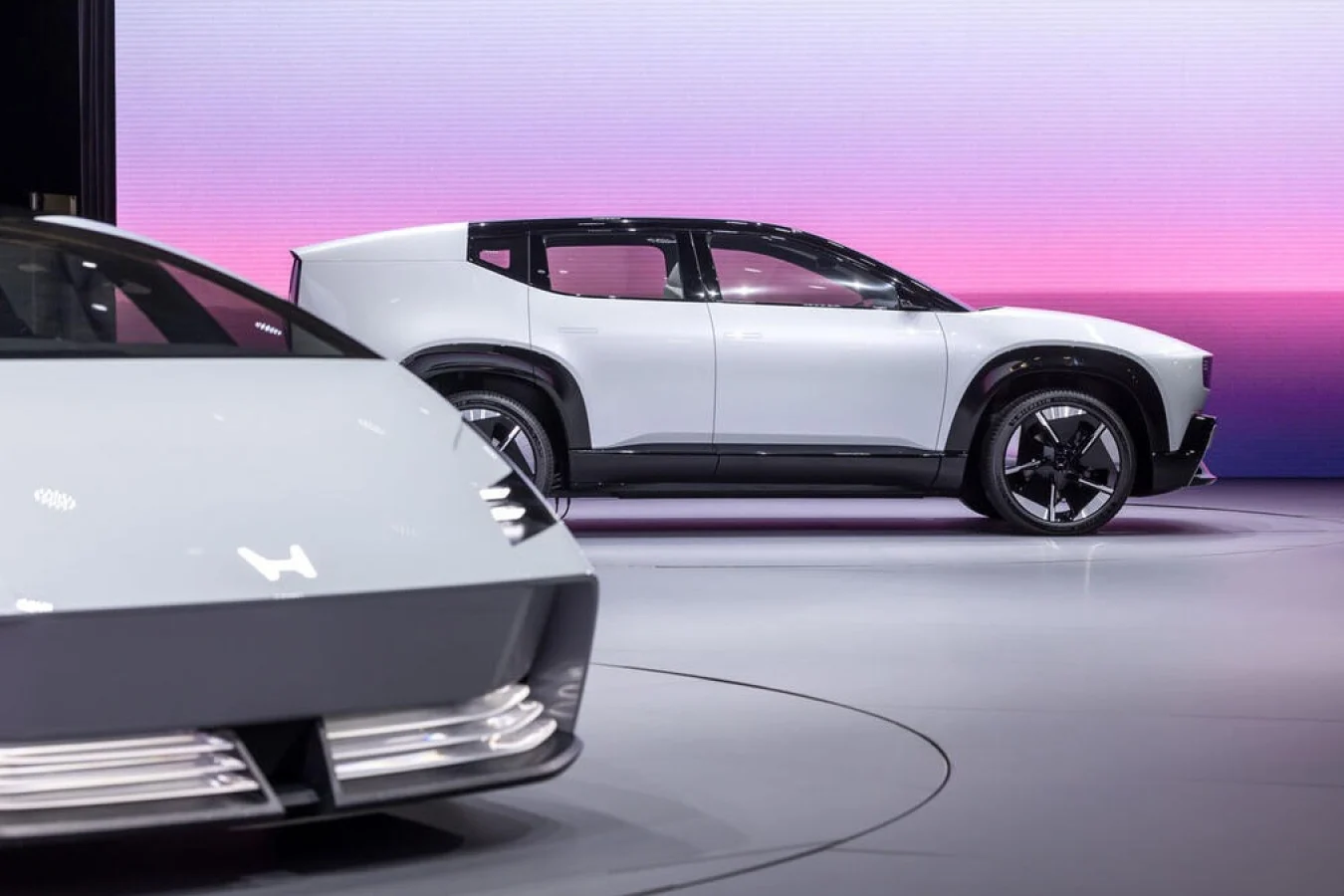
Honda had showcased two concept vehicles from its “Honda 0 Series” at the CES technology show in Las Vegas earlier this year, with production slated for 2024. The decision to halt the program comes after a sharp decline in U.S. EV demand, amplified by the end of federal incentives that were introduced under the previous administration.
Instead of building new battery‑electric cars, Honda will double down on hybrid powertrains for the North American market, seeking to leverage its existing strengths in fuel‑efficiency technology.
Challenges in China
China, the world’s largest auto market, poses an even tougher hurdle. Honda’s EV sales there last year were roughly 17,000 units – just 2.5 % of its total Chinese volume and about one‑fifth of its global EV sales.
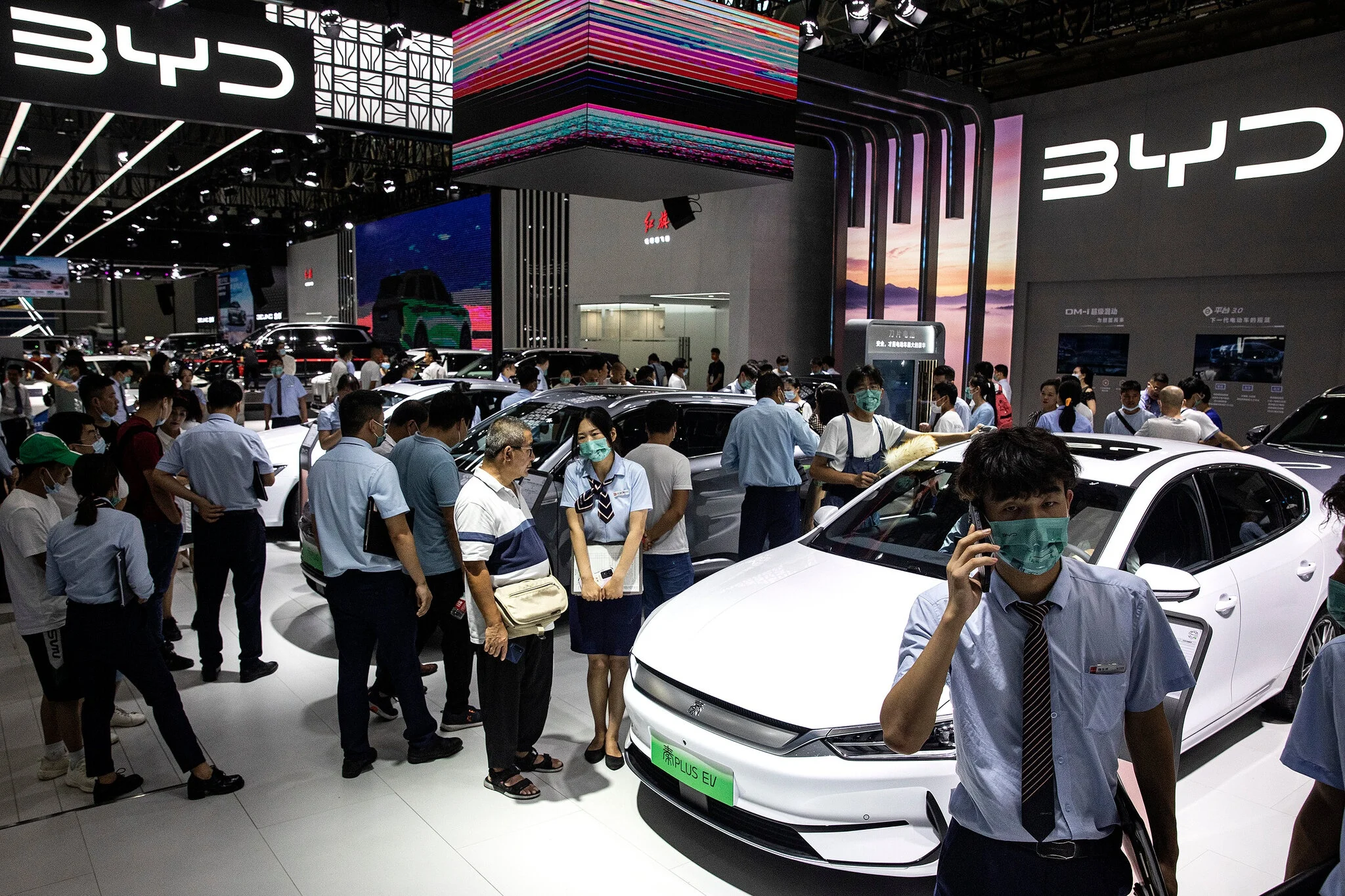
The company admits it is lagging behind domestically‑born rivals that iterate products faster and embed software‑first architectures, such as advanced driver‑assist systems. This technology gap threatens Honda’s competitiveness in a market where electrification and autonomous features are rapidly converging.
Future Focus on Hybrids and Emerging Partnerships
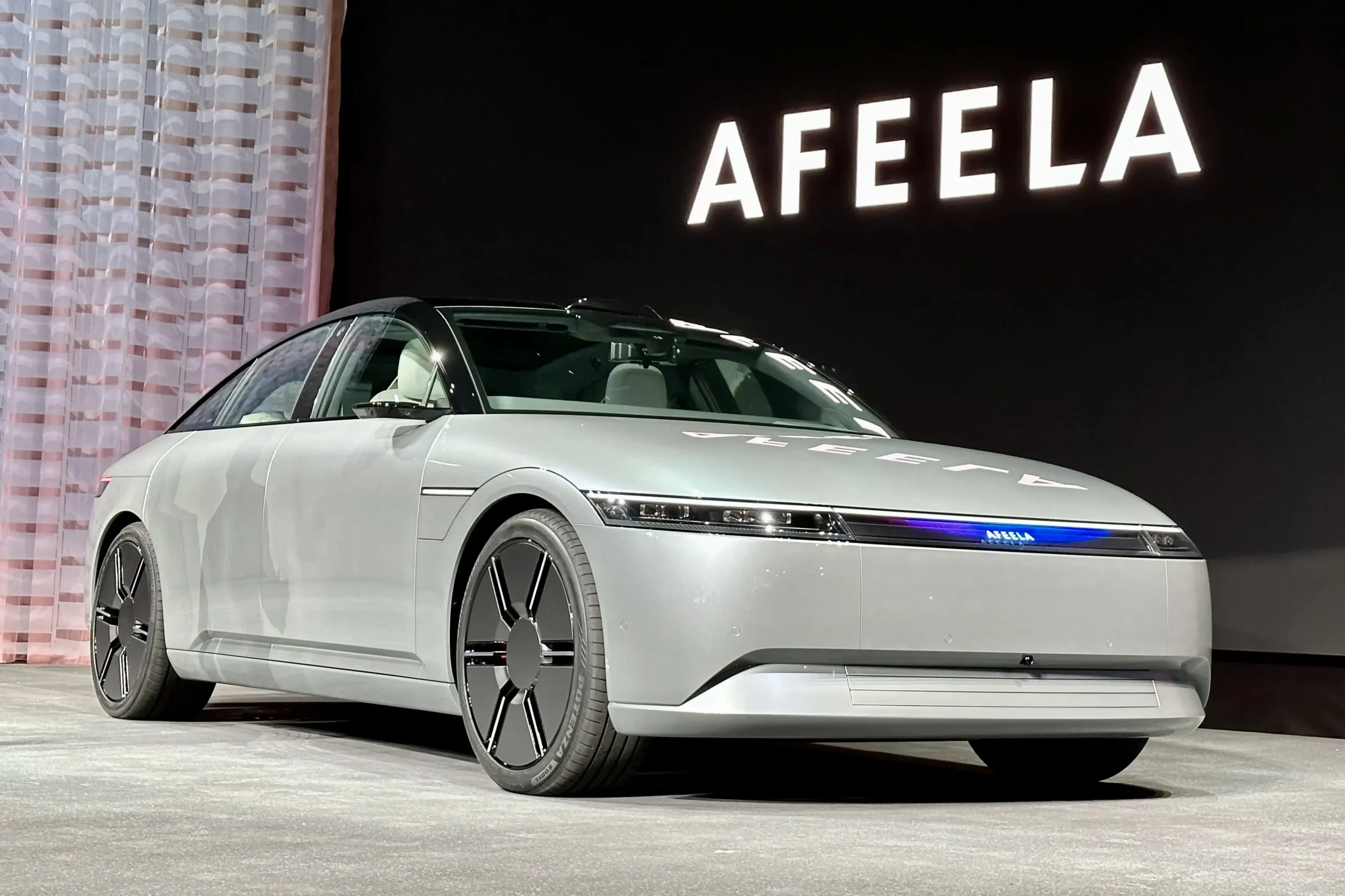
Beyond the U.S., Honda plans to strengthen its hybrid lineup in markets like India, where it sees untapped growth potential. Simultaneously, the automaker’s joint venture with Sony – Sony Honda Mobility – continues to develop the Afeela electric sedan, though its timeline remains uncertain.
Analysts view the massive write‑down as a painful but necessary “reset” that may allow Honda to reallocate capital toward areas where it holds a clearer competitive advantage.
Outlook
The crucial question is whether Honda can close the technology gap with Chinese EV newcomers while rebuilding confidence among investors. The write‑down buys the company short‑term breathing room, but long‑term success will depend on how swiftly it can deliver appealing hybrid models and decide the fate of its electric‑vehicle collaborations.